Voices from the Fell: The Shepherds Whose Memories Hold Britain's Pastoral Future
The Weight of Unwritten Words
Thomas Hartwell can read the sky like a page from his grandfather's prayer book. Standing on a Cumberland fell at dawn, his eyes track cloud formations that speak of lambing weather three days hence. "See that mare's tail stretching east?" he asks, pointing to wispy cirrus clouds. "She's telling me to bring the pregnant ewes down to the lower fields by Thursday."
Hartwell, 67, is one of Britain's last repositories of shepherd knowledge that has never been written down. His understanding of when ewes will lamb, how weather patterns affect birthing cycles, and which grasses promote the healthiest pregnancies comes from a chain of oral tradition stretching back centuries.
Across Britain's uplands—from the Welsh hills to the Scottish Borders—veteran shepherds like Hartwell hold intricate libraries of knowledge in their minds. But as this generation ages towards retirement, researchers and farming communities are mounting an urgent effort to document what they know before it disappears forever.
When Memory Becomes Method
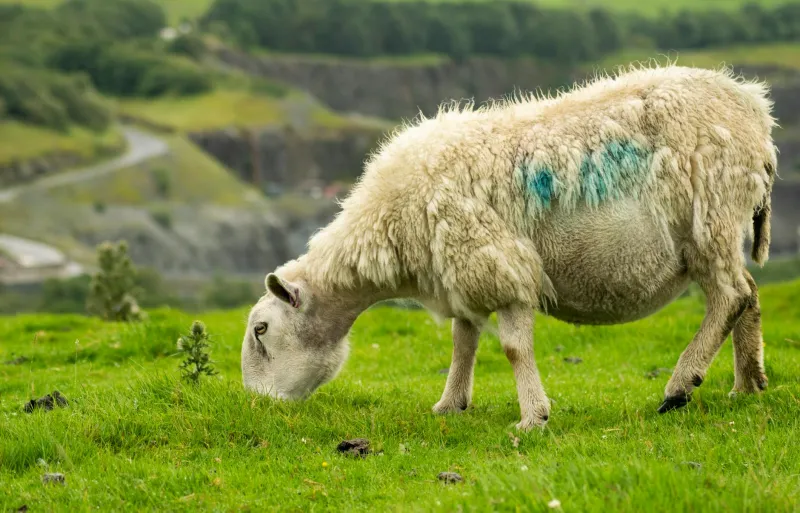
At Pen-y-Ghent Farm in the Yorkshire Dales, Margaret Sedgwick demonstrates the art of reading a pregnant ewe's behaviour. "Watch her eyes," she instructs, observing a Swaledale ewe in the lambing shed. "When she starts looking inward, turning her head back towards her flanks, that's your twelve-hour warning."
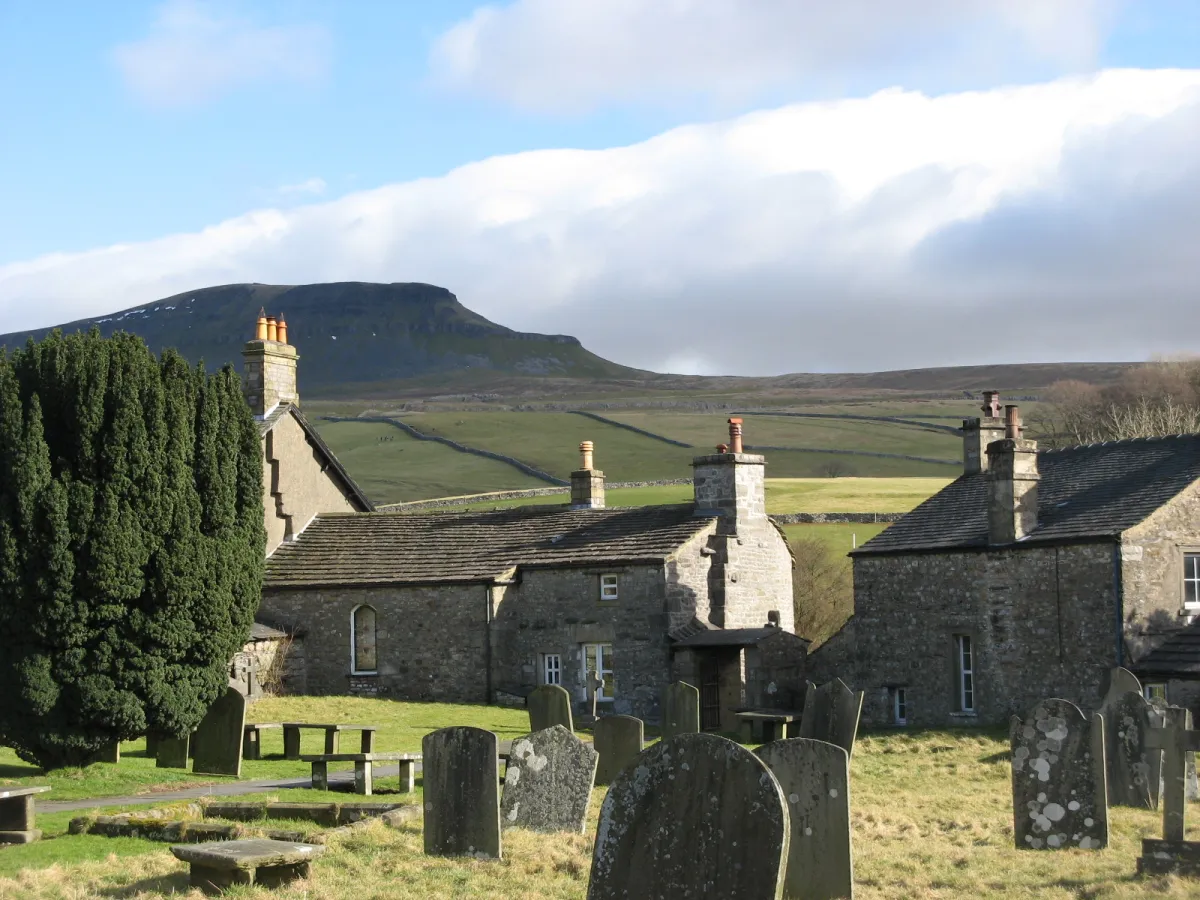 Photo: Pen-y-Ghent Farm, via 3.bp.blogspot.com
Sedgwick's knowledge comes from five decades of lambing seasons. She can predict difficult births by the way a ewe positions herself, knows which ewes will struggle with milk production by their posture during pregnancy, and understands how moon phases affect lambing timing—wisdom that would take a veterinary textbook chapters to explain, if it existed in textbooks at all.
"My father taught me to read the flock, not just individual sheep," she explains. "There's a rhythm to how they move as a group when weather's changing, when predators are about, when the grass is shifting from winter-poor to spring-rich. You learn to see the whole story."
The Classroom in the Barn
In the Borders, the Shepherd's Heritage Project has begun recording these conversations between generations. Young farmers sit with veterans during lambing season, cameras rolling, capturing not just techniques but the thinking behind them.
"It's not enough to film someone delivering a difficult lamb," explains project coordinator Dr. Sarah McKenzie. "We need to understand how they knew it would be difficult three hours before anyone else would have spotted it."
The project has documented shepherds who can predict twin births weeks before scanning, others who read weather patterns in sheep behaviour, and veterans who understand the subtle relationship between specific grass varieties and milk quality.
Jamie Crawford, a third-generation shepherd from the Cheviot Hills, recalls learning from his grandfather: "He'd take me out before dawn and we'd just watch. He'd say, 'See how that ewe's holding her head? She's listening to something we can't hear.' Turns out he was teaching me to read atmospheric pressure through sheep behaviour."
 Photo: Cheviot Hills, via cheviothills.org
The Science Behind the Stories
What researchers are discovering is that much of this traditional knowledge aligns with cutting-edge veterinary and meteorological science. Ewes do respond to barometric pressure changes before humans notice weather shifts. Flock behaviour does change with lunar cycles, likely due to light levels affecting grazing patterns.
"These shepherds are conducting multi-generational observational studies," notes Dr. James Whitfield, an animal behaviourist at Edinburgh University. "Their knowledge base represents hundreds of years of data collection, but it's stored in human memory rather than written records."
The challenge is translating intuitive knowledge into teachable skills. When Hartwell says he can "smell" when a ewe will lamb within hours, he's actually detecting subtle changes in the animal's pheromones and behaviour that his decades of experience have taught him to recognise.
Racing Against Time
The urgency of this documentation effort becomes clear when considering the numbers. In the past twenty years, Britain has lost over 40% of its hill farms. Many veteran shepherds have no successors, their children having moved to cities or chosen different careers.
"We're not just losing farmers," warns Helen Browning of the Soil Association. "We're losing entire libraries of environmental knowledge. When these shepherds retire, their understanding of local weather patterns, soil conditions, and animal behaviour disappears with them."
At Dolgellau in Wales, the Snowdonia Shepherding Archive has recorded over 200 hours of interviews with veteran hill farmers. The recordings capture not just techniques but the reasoning behind decisions—why certain fields are better for pregnant ewes, how to read wind patterns for shelter planning, when to trust sheep instincts over human judgment.
The Next Generation's Challenge
Young farmers entering the profession face a steep learning curve. Modern agricultural education provides scientific knowledge but lacks the intuitive understanding that comes from generational observation.
"I can tell you the gestation period of a sheep down to the day," says Emma Richardson, a recent agricultural college graduate now working in the Lake District. "But I couldn't tell you which ewe in a flock of fifty is most likely to have complications just by watching them graze. That's the knowledge we're at risk of losing."
The solution, according to veteran shepherds, isn't choosing between traditional knowledge and modern science, but combining both. "The old ways and the new ways need to work together," reflects Hartwell. "My grandfather's weather reading and the met office forecast—both have their place."
Preserving the Pastoral Library
As these documentation projects expand, they're creating new models for agricultural education. Some farming colleges now pair students with veteran shepherds for entire lambing seasons. Others are developing oral history programmes that treat shepherd knowledge as seriously as any academic research.
The work is painstaking. Each shepherd's knowledge is specific to their terrain, their breed of sheep, their local climate. What works on a Cumbrian fell might not apply to a Welsh hillside. But collectively, these individual libraries of knowledge represent an irreplaceable understanding of Britain's pastoral landscape.
"People talk about preserving heritage breeds," concludes Sedgwick, watching her flock settle for the evening. "But we also need to preserve heritage knowledge. The sheep might survive without it, but they won't thrive. And neither will we."