Sacred Springs and Ancient Burns: The Water Guardians Crafting Scotland's Liquid Soul
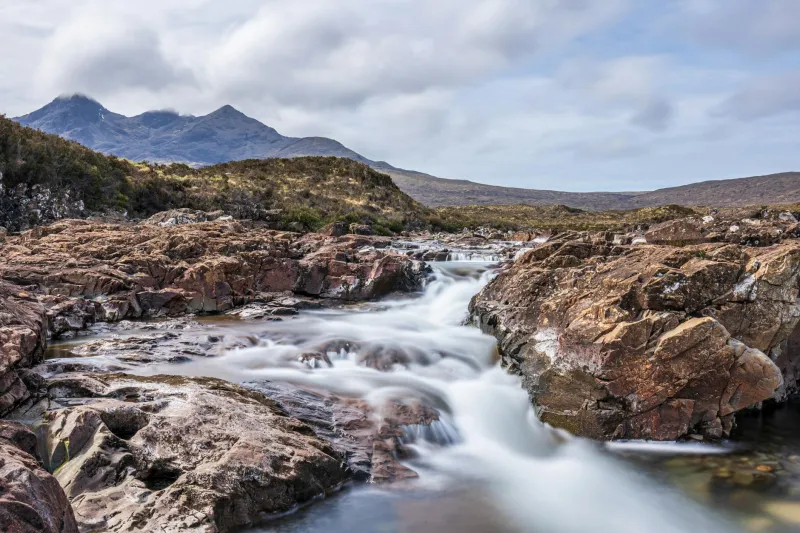
The Forgotten Language of Water
In the shadow of Ben Nevis, where morning mist clings to granite shoulders, a spring bubbles from bedrock that has filtered Highland rain for millennia. This isn't just water—it's the liquid autobiography of Scotland itself, carrying mineral memories from peat bog to granite gorge, telling stories that distillers are only now learning to read.
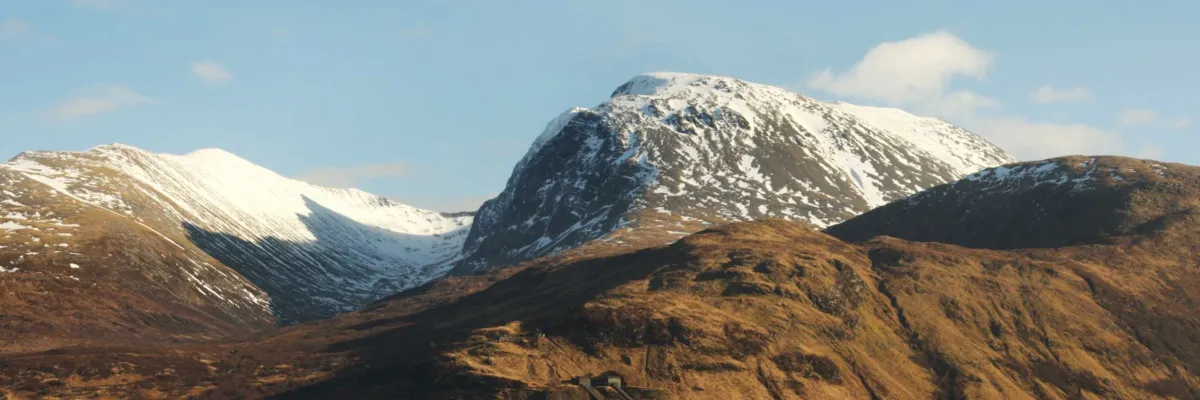 Photo: Ben Nevis, via images.squarespace-cdn.com
For too long, the whisky industry has treated water as a commodity—H2O to be tested, treated, and tucked away in technical specifications. But a quiet revolution is stirring in Scotland's glens, where a new generation of distillers understands that their burns, springs, and wells aren't mere utilities but living ingredients as vital as any grain.
Where Mountain Meets Mash Tun
At Ardnamurchan Distillery, master distiller Gregg Glass speaks of their water source with the reverence of a shepherd discussing his flock. The distillery draws from springs that rise through ancient schist, collecting minerals that have shaped this peninsula since the Caledonian mountains first thrust skyward.
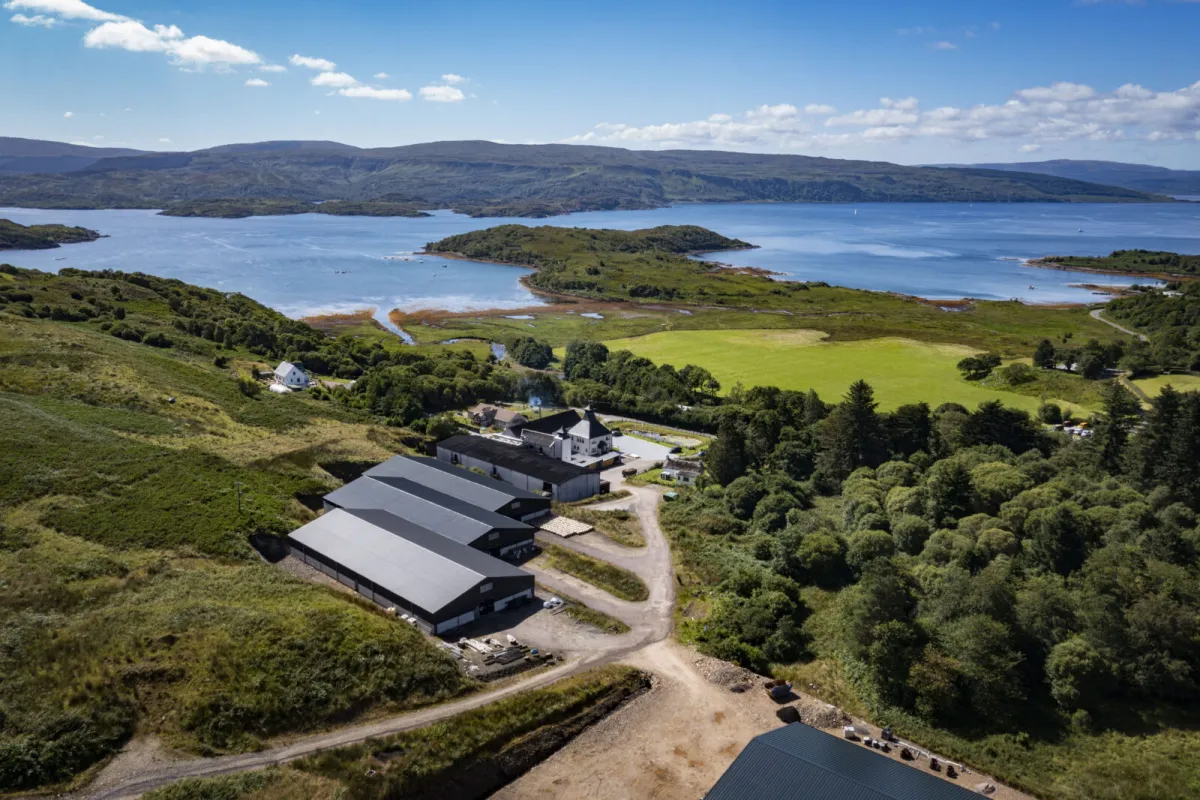 Photo: Ardnamurchan Distillery, via www.scotchwhiskyexperience.co.uk
"People taste our whisky and ask about the malt, the yeast, the casks," Glass explains, cupping spring water in weathered hands. "But they're missing the foundation. This water carries the essence of Ardnamurchan—iron from our volcanic past, calcium from limestone veins, the gentle acidity of peat. Without this precise water, we'd be making someone else's whisky."
The distillery has mapped every tributary in their catchment, monitoring seasonal variations that most producers ignore. When autumn rains swell the burns, the water's mineral profile shifts subtly. When summer heat concentrates mountain streams, different characteristics emerge. Each batch of whisky becomes a liquid chronicle of weather, geology, and time.
The Peat Whisperers of Islay
On Islay, where Atlantic gales have carved peat bogs for eight thousand years, distillers are discovering that their water sources hold secrets older than any written recipe. At Kilchoman Farm Distillery, founder Anthony Wills has spent years understanding how peat-filtered water shapes his whisky's character.
"The peat here isn't just fuel for our kiln," Wills explains, standing beside the burn that supplies his distillery. "It's a vast filtration system, built layer by layer over millennia. Our water percolates through compressed heather, moss, and grass from ages past. Every drop carries the botanical memory of Islay."
The farm's water source rises through peat layers that contain plant material from the Medieval Warm Period, when Islay's climate supported different vegetation. This ancient botanical cocktail imparts compounds that laboratory analysis can detect but cannot replicate—a liquid terroir as complex as any Burgundy vineyard.
Climate Guardians and Catchment Keepers
As Scotland's climate shifts, these water-conscious distillers face unprecedented challenges. Rising temperatures alter the delicate balance of their springs. Changed rainfall patterns threaten the consistent flow that generations of distillers have relied upon.
At GlenWyvis, the Highlands' first community-owned distillery, they're pioneering catchment conservation that goes far beyond traditional water rights. The community has rewilded 3,000 acres of their watershed, restoring native woodland that regulates water flow and protects the mineral-rich springs that feed their stills.
"We're not just making whisky," explains distillery manager Duncan Tait, surveying newly planted Scots pine that will shade their burns for centuries to come. "We're stewarding the landscape that makes our whisky possible. Every tree we plant, every peat bog we protect, every burn we keep clean—it all ends up in the glass."
The Mineral Mapmakers
Modern distillers are becoming amateur geologists, mapping the underground journeys their water takes from cloud to cask. At Nc'nean on the Morvern Peninsula, they've traced their spring water's 40-year underground odyssey through Lewisian gneiss, some of Earth's oldest rock.
This geological pilgrimage imparts a mineral signature so distinctive that experienced tasters can identify Nc'nean's water blindfolded. The ancient gneiss contributes subtle salinity and metallic notes that complement their organic barley and innovative fermentation techniques.
"We're making whisky with three-billion-year-old rock," marvels distillery founder Annabel Thomas. "When you understand that timeline, you realise we're not creating tradition—we're continuing a conversation between water and grain that's older than Scotland itself."
Sacred Streams for Future Generations
These water guardians represent more than a return to artisanal production—they're pioneering a model of distilling that acknowledges whisky's fundamental dependence on healthy ecosystems. Their approach challenges an industry built on efficiency and standardisation to remember that Scotland's greatest asset isn't its stills or warehouses, but the living landscape that surrounds them.
As climate change threatens water security across Scotland, these distillers offer hope through their commitment to catchment stewardship. They understand that protecting their burns and springs isn't just about maintaining whisky quality—it's about preserving the liquid soul of Scotland for generations yet to come.
In an age of global brands and industrial efficiency, these sacred springs remind us that the finest whisky still flows from the marriage of place and purpose, where ancient water meets modern reverence in the eternal alchemy of Scotland's liquid gold.