Fire, Stone, and Soil: The Ancient Craft Transforming Britain's Grasslands One Kiln at a Time
When Fire Meets Stone
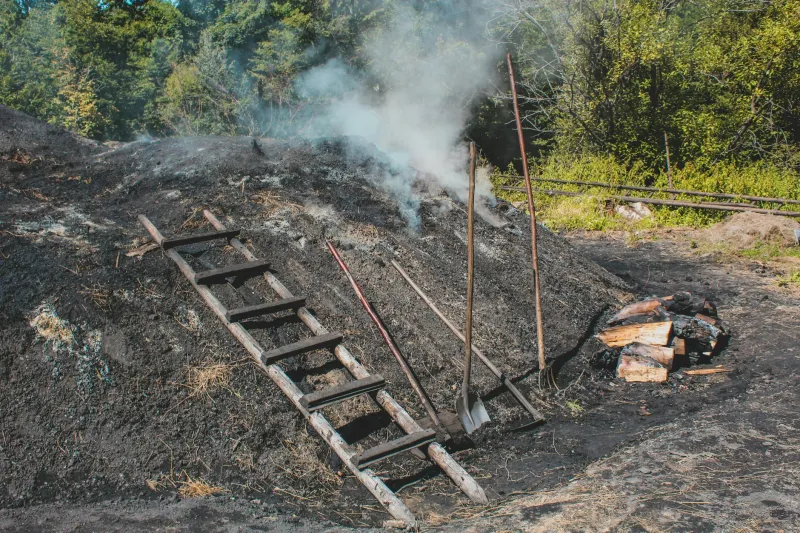
The acrid smoke drifting across the Brecon Beacons on a crisp October morning carries with it the scent of an ancient craft. Deep within a stone-built kiln that hasn't seen flame for decades, local limestone transforms under temperatures that would melt copper. This is lime burning—Britain's forgotten soil science, returning to heal grasslands that have grown tired and sour.
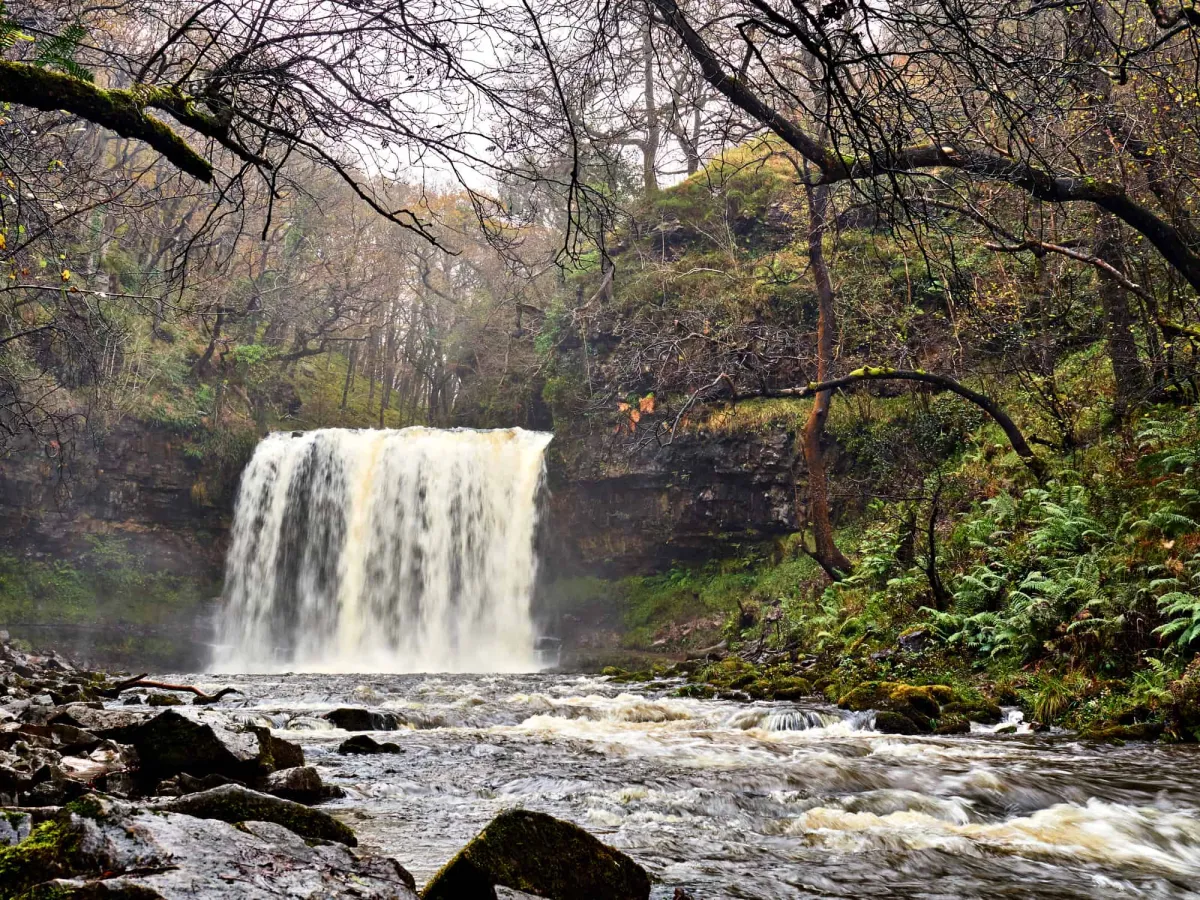 Photo: Brecon Beacons, via cdn.odysseytraveller.com
Gareth Williams tends his kiln with the patience his grandfather showed these same Welsh hills. "People think this is just about old ways for old ways' sake," he says, adjusting the oak fuel beneath glowing stones. "But the cattle tell a different story. Since we've been burning our own lime, the grass has sweetened, and you can taste it in every cut."
The Chemistry of Flavour
What Williams understands—and what industrial agriculture forgot—is that soil pH shapes everything from mineral uptake in plants to the complex flavours that develop in meat and milk. Britain's upland soils, leached by centuries of rainfall, have grown increasingly acidic. Where pH drops below 6, grass struggles to absorb essential nutrients, producing fodder that's nutritionally poor and flavour-weak.
Traditional lime burning creates calcium oxide through a process unchanged since Roman times. Mixed with water, it becomes slaked lime—nature's antacid for tired soil. But unlike modern agricultural lime, kiln-burned limestone retains trace minerals and creates a slower, gentler pH adjustment that works with soil biology rather than against it.
"Industrial lime is like taking paracetamol for soil health," explains Dr Sarah Mitchell, a soil scientist at Aberystwyth University. "Kiln lime is more like a proper meal—it feeds the whole system."
From Cumbrian Fells to Border Hills
Across the Lake District, hill farmer Tom Redman has spent three years restoring the lime kiln that once served his valley. Built into the fellside in 1847, the stone structure had crumbled to rubble when he inherited the farm. Now, twice yearly, he fires it with local hardwood, producing lime that transforms his rough grazing into pasture his Herdwick sheep actually relish.
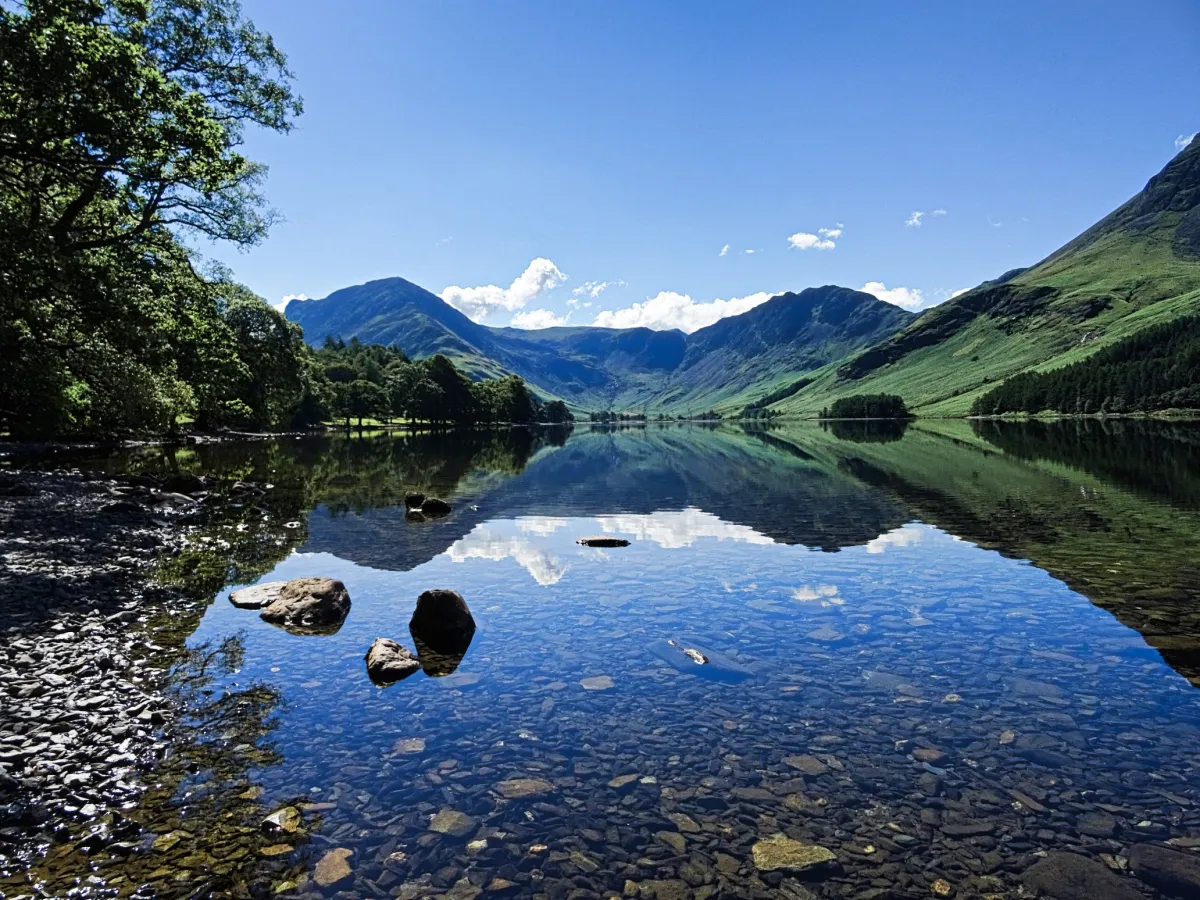 Photo: Lake District, via i1.wp.com
"The old-timers knew what they were about," Redman reflects, watching his flock graze contentedly on grass that once grew sparse and bitter. "This lime doesn't just change the soil chemistry—it changes everything that grows in it, and everything that eats it."
The results speak through the plate. Redman's lamb, finished on lime-sweetened pasture, carries a depth of flavour that London restaurants are beginning to seek out. The meat is firmer, the fat whiter, the taste more complex than anything produced on artificially fertilised ground.
The Cheese Connection
Perhaps nowhere is the lime revival more apparent than in Britain's artisan cheese movement. At Hafod Creamery in Ceredigion, cheesemaker Sam Holden sources milk exclusively from farms using traditional lime management. The difference, he insists, is profound.
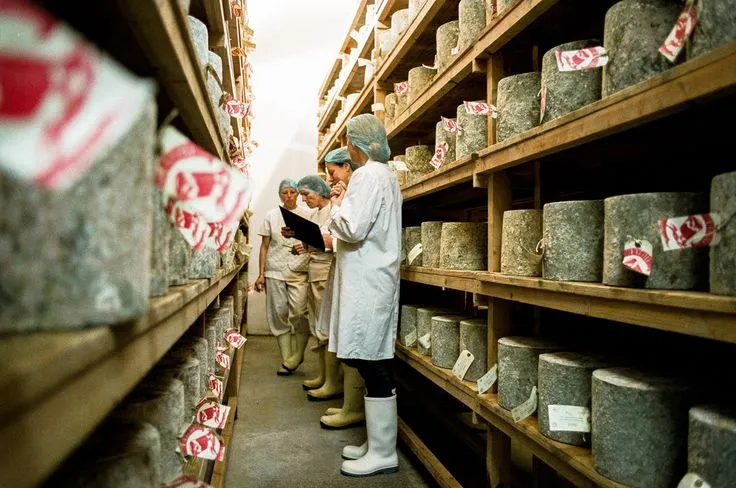 Photo: Hafod Creamery, via i.pinimg.com
"Milk from lime-treated pasture has a mineral complexity you simply cannot replicate," Holden explains, cutting into a wheel of his renowned Hafod cheese. "The calcium levels are naturally higher, the protein structure more robust. It's the difference between cheese that merely tastes good and cheese that tells the story of its place."
The science supports his claims. Recent research from the University of Wales has shown that milk from cattle grazing lime-treated pasture contains up to 30% more beneficial minerals and produces cheese with significantly enhanced flavour compounds.
Rekindling Ancient Knowledge
The revival isn't without challenges. Finding limestone suitable for burning requires geological knowledge many farmers lack. The kilns themselves—stone structures designed to withstand extreme heat—demand skills that died with their last operators decades ago.
Enter the Lime Heritage Trust, a small charity working to preserve both the physical structures and the knowledge needed to operate them. Chairman Peter Davies, himself a master lime burner, travels Britain teaching farmers to read stone, build fires, and judge the precise moment when limestone becomes lime.
"Every region had its own techniques, its own stone, its own way of working," Davies explains. "We're not just reviving a process—we're rebuilding a relationship between farmers and their land that industrial agriculture severed."
The Future Burns Bright
As climate change pressures intensify and soil health becomes paramount, traditional lime burning offers solutions that modern agriculture struggles to provide. The process sequesters carbon in soil, improves water retention, and builds resilience against extreme weather—all while enhancing the flavour of Britain's finest foods.
Farms across Scotland's Borders are now installing new kilns, built to traditional patterns but incorporating modern safety features. Young farmers, drawn by both environmental benefits and premium prices for lime-finished products, are learning techniques their great-grandfathers knew by instinct.
Back in the Brecon Beacons, Gareth Williams banks his kiln fire as evening approaches. Tomorrow, he'll spread the precious lime across pastures that have waited decades for this ancient medicine. In a year's time, those fields will produce grass that cattle crave, milk that cheesemakers treasure, and meat that carries the mineral-rich flavour of properly tended soil.
"This isn't about going backwards," Williams says, watching smoke dissipate into the Welsh twilight. "It's about remembering what forwards was supposed to look like."