Valley on the Plate: How Britain's Shepherd-Chefs Are Pouring the Hills Into Every Glass
Valley on the Plate: How Britain's Shepherd-Chefs Are Pouring the Hills Into Every Glass
There's a moment, sitting at a scrubbed oak table in a converted Welsh longhouse, when a glass of elderflower and gooseberry wine arrives alongside a plate of slow-roasted Beulah Speckled Face shoulder, and something clicks into place. This isn't a restaurant trying to be French. It isn't pretending to be anything other than what it is — a hillside, a flock, a season, a valley. And that, quietly, is the whole point.
Across the upland sheep counties of Wales, Cumbria, and the Scottish Borders, a small but fiercely committed movement is taking root. Farmer-restaurateurs — people who are as likely to be found checking on a lambing ewe at dawn as they are plating up at eight in the evening — are building tasting experiences that refuse to look beyond their own horizon. The drinks list doesn't feature a single Bordeaux. The menu doesn't need one.
The Pastoral Pairing Philosophy
The idea isn't entirely new. Britain has always made its own fermented drinks — meads brewed from heather honey, ciders pressed from old orchard varieties, hedgerow wines bubbling away in farmhouse kitchens since long before the first case of Chablis ever crossed the Channel. What's changed is the ambition and the context. A new generation of producers is treating these drinks with the same seriousness that a Somerset cider maker might bring to a vintage perry, and the same reverence that a Burgundy vigneron gives to a single-vineyard Pinot Noir.
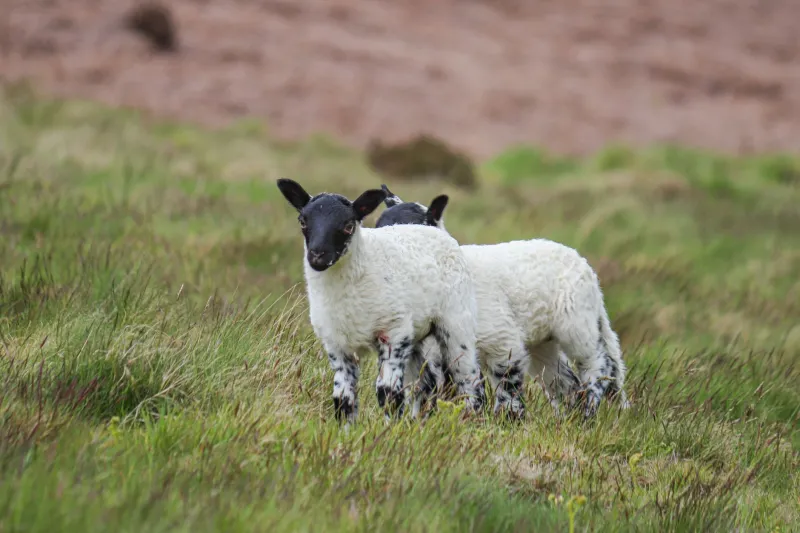
In the Elan Valley in Powys, one small holding has been quietly building a reputation over the past four years for what its owners call 'hill pairings' — a tasting menu built around their own flock of Badger Face Welsh Mountain sheep, served alongside drinks produced within a ten-mile radius. A bramble and sloe wine, made from fruit picked from the hedgerows bordering their own fields, is paired with charred lamb ribs. A dry meadowsweet mead, produced by a local beekeeper whose hives sit on the hillside above the farm, accompanies a raw lamb tartare seasoned with wood sorrel and dried bilberry.
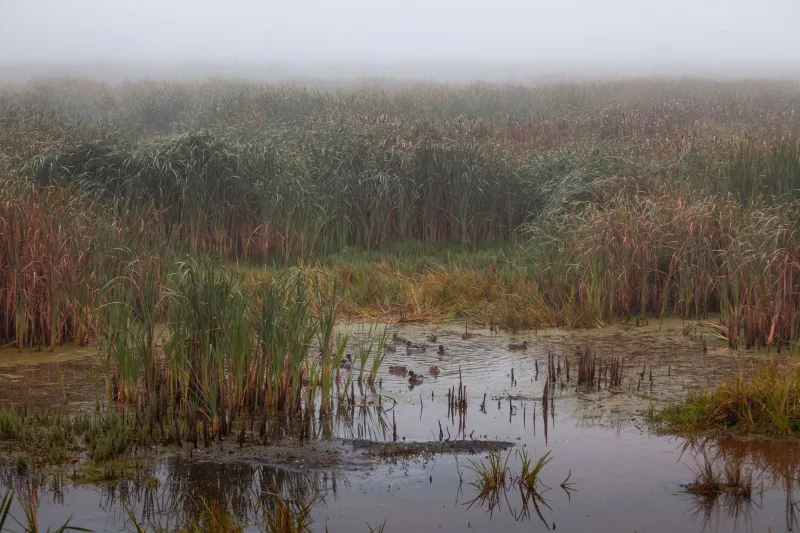
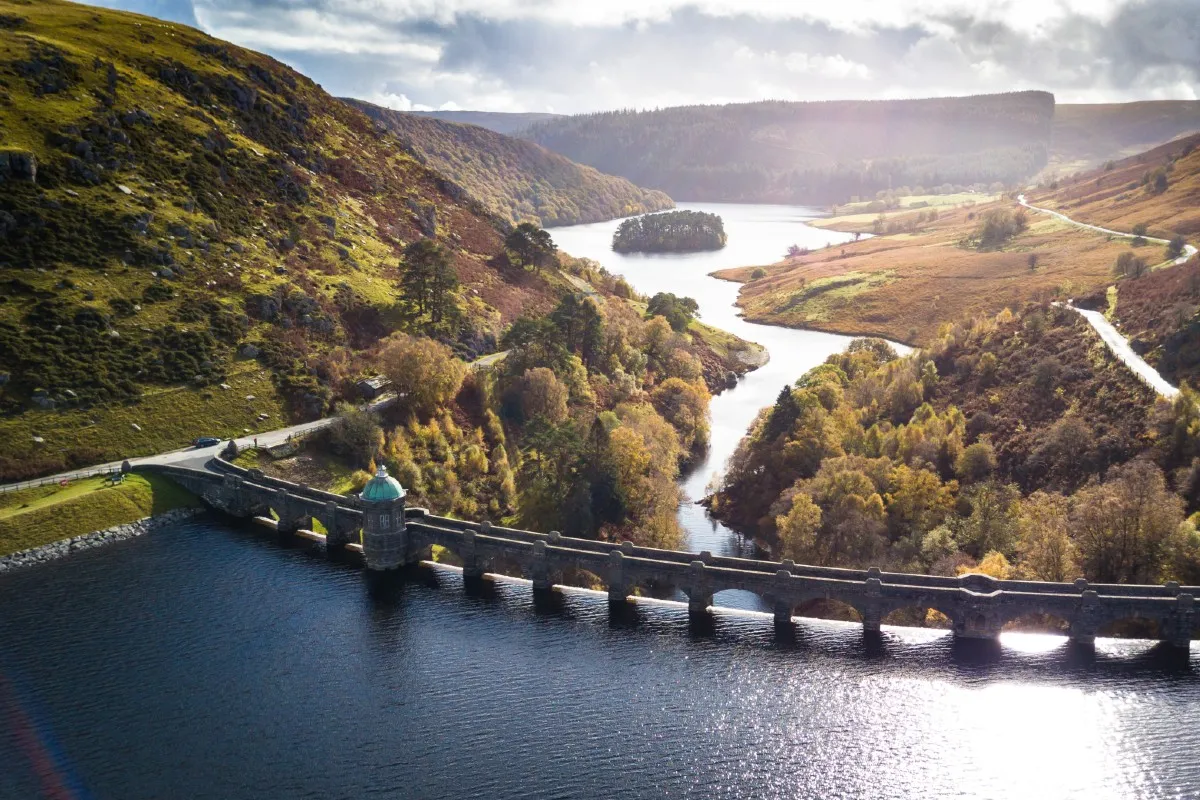 Photo: Elan Valley, via elan-valley.co.uk
'We're not trying to replicate what wine does,' the farmer-cook explains, hands still carrying the faint scent of lanolin from the morning's work. 'We're trying to show what this particular hill tastes like, in every single thing on that table.'
The Drinks That Belong to the Landscape
Hedgerow wines have long been dismissed as the preserve of well-meaning country fairs and slightly eccentric aunts. But spend time with the people making them seriously and that prejudice dissolves quickly. The complexity in a well-made elderberry wine — its depth, its slight astringency, its earthy finish — has more in common with a northern Rhône Syrah than most people would care to admit. The difference is that nobody has yet built the marketing infrastructure around it.
In Cumbria, near Shap, a small farm producing Herdwick lamb has partnered with a local mead-maker to develop what they describe as a 'fell flight' — four meads, each made from honey gathered from different altitudes on the same hillside, paired with four preparations of the same animal. The lightest, palest mead, from hives kept near the valley bottom among wildflower meadows, opens the meal. The darkest and most complex, from hives set high on the heather moor, closes it alongside a deeply savoury piece of braised neck, cooked overnight in the Aga.
The effect is less like a conventional tasting menu and more like a guided walk — a gradual climb from the sheltered valley to the exposed fell, expressed entirely through flavour.
Challenging the French Inheritance
Britain's relationship with French and Italian wine culture at the fine-dining table is long, deep, and not without good reason. These are extraordinary traditions built over centuries, and nobody is suggesting otherwise. But there's a growing sense among the people doing this work that British food culture has been too quick to reach for an imported framework when pairing its finest ingredients — and that the results, however elegant, can feel slightly disconnected from the landscape that produced the food itself.
In the Scottish Borders, a farming family running a small supper club from their working hill farm near Peebles has taken this argument to its logical conclusion. Their rule is simple: if it didn't come from within the watershed of the River Tweed, it doesn't come to the table. That means no olive oil, no lemon, and absolutely no wine. What it does mean is a duck egg butter made from their own small dairy herd, a juniper and rowan berry vinegar that does the work of acidity, and a range of country wines — hawthorn blossom, wild raspberry, blackcurrant leaf — that have been developed over several seasons with a neighbouring smallholder.
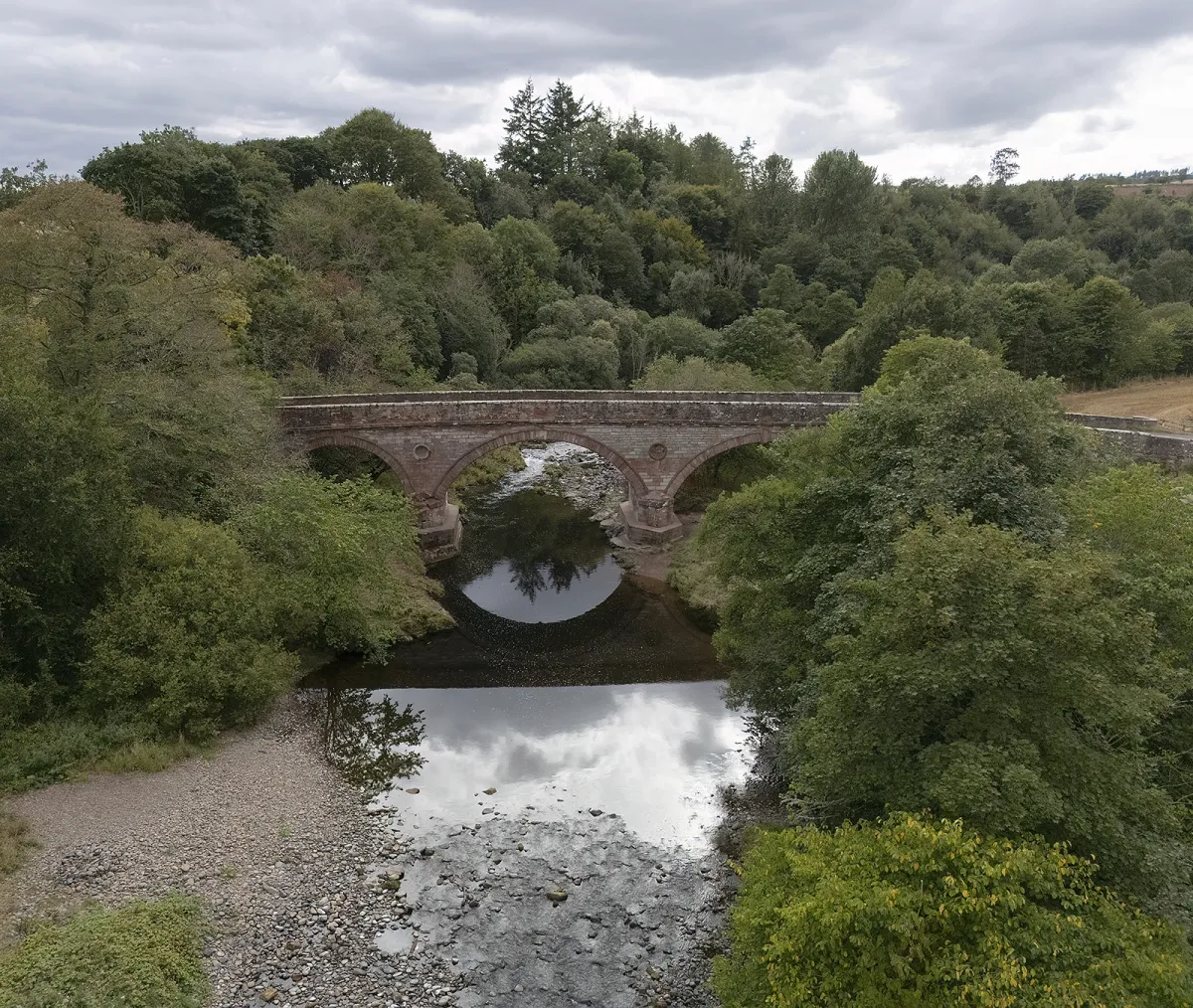 Photo: River Tweed, via rivertweed.org.uk
'People arrive expecting to feel like they're missing something,' the farmer says. 'They leave feeling like they've found something they didn't know was gone.'
The Road Ahead
This movement is, by its own admission, still small. The number of places doing this work seriously across Britain could probably be counted on two hands. There are real challenges — the consistency that wine drinkers expect is genuinely difficult to achieve with hedgerow and meadow ferments, and the cultural prestige gap between a bottle of Burgundy and a jar of homemade mead remains enormous.
But the direction of travel feels right. As more diners seek experiences rooted in place rather than imported from a glossy template, and as the broader conversation around food provenance deepens, the sheep-grazed hills of Britain are beginning to look less like a backdrop to the meal and more like its entire subject.
The valley, it turns out, has always been on the plate. It just needed someone with muddy boots and a very good palate to pour it into a glass as well.