Reed, Water, and Wild Food: The Wetland Crafts Quietly Rebuilding Britain's Countryside Economy

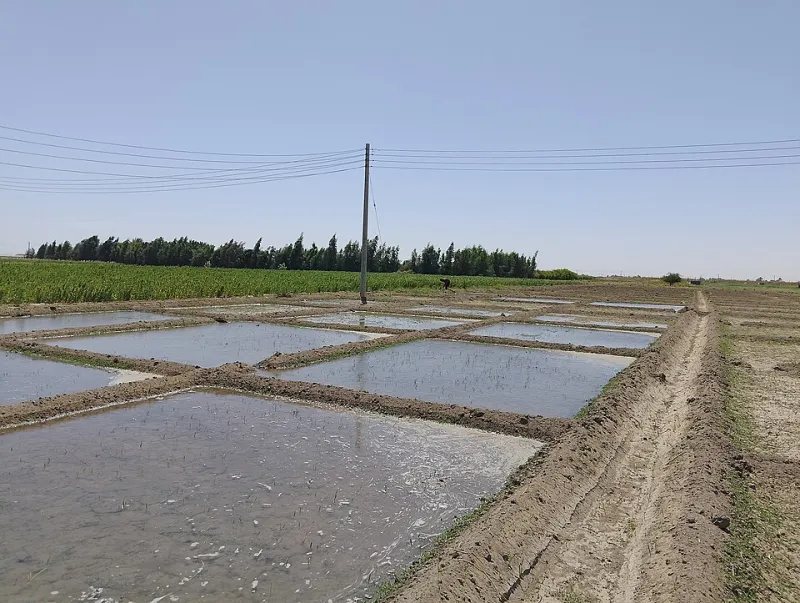
Photo: Jvlara, CC BY-SA 4.0, via Wikimedia Commons
Reed, Water, and Wild Food: The Wetland Crafts Quietly Rebuilding Britain's Countryside Economy
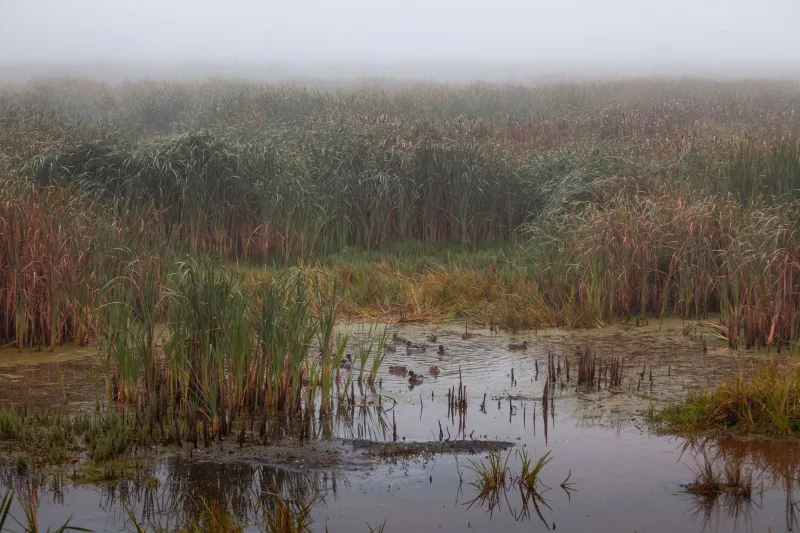
There is a particular stillness to a reedbed in January. The sky above the Norfolk Broads sits low and pewter-grey, and the only sounds are the creak of a flat-bottomed boat against its mooring and the rhythmic swish of a scythe working through stands of Phragmites australis that have been growing since the summer. The cutter, a third-generation thatcher from near Ludham, pauses to wipe his hands on his wax jacket and gestures across the water towards a half-harvested bed shimmering bronze in the thin winter light.
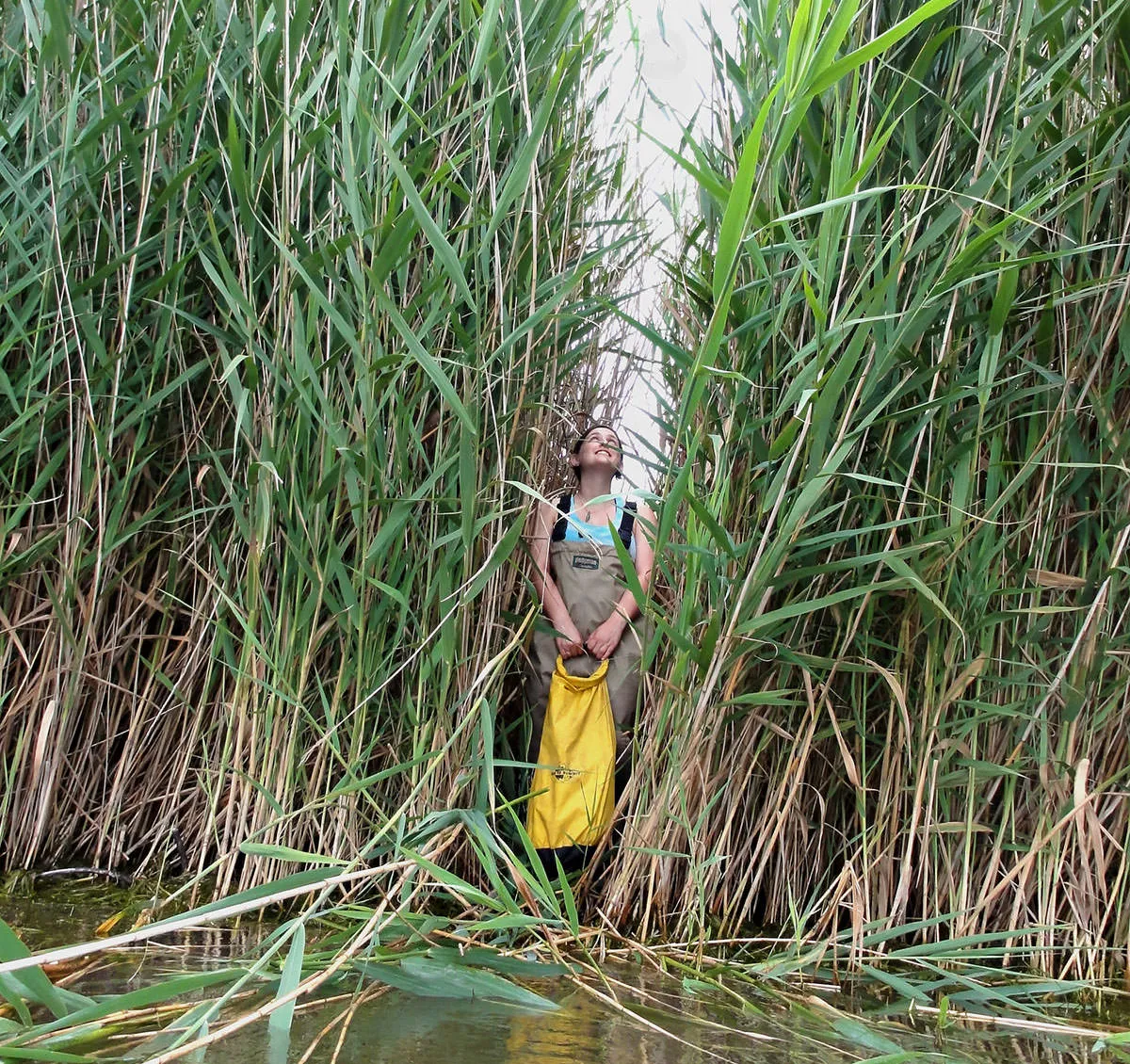 Photo: Phragmites australis, via upload.wikimedia.org
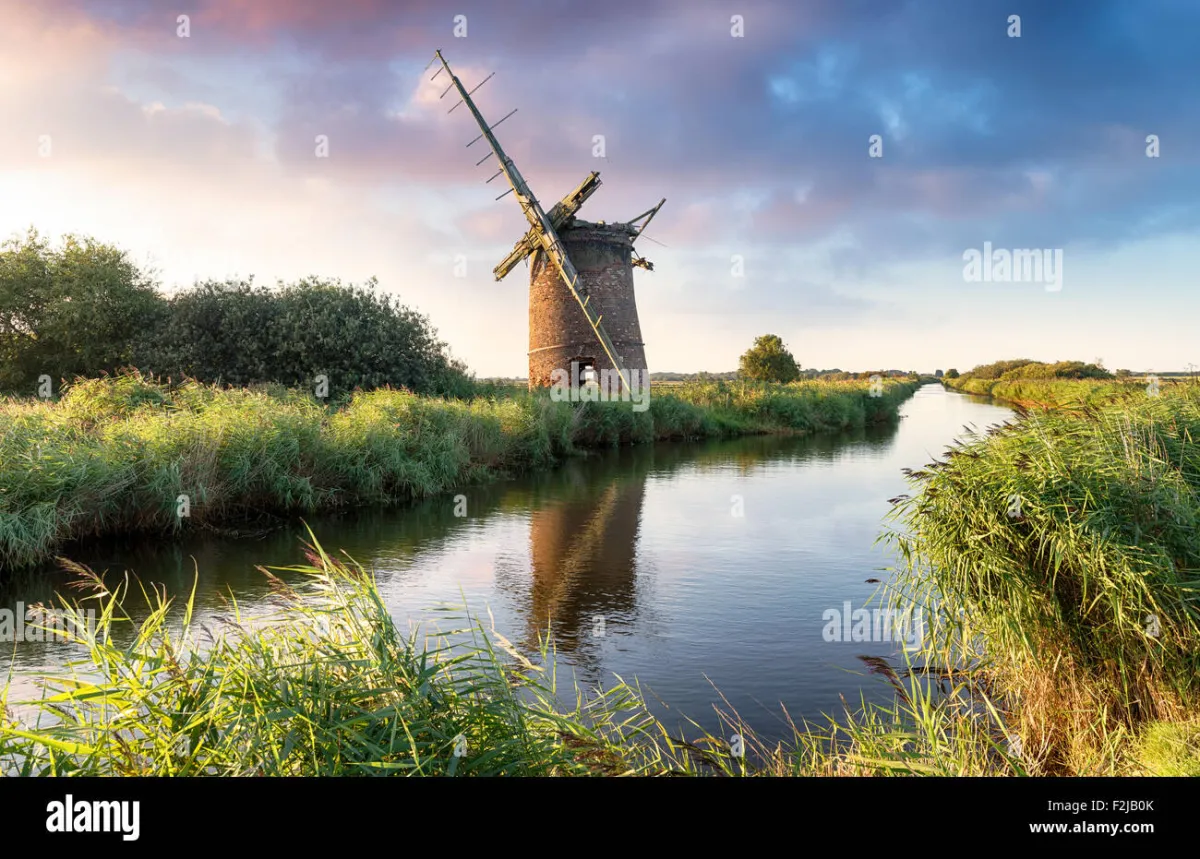 Photo: Norfolk Broads, via c8.alamy.com
"People think this is just about keeping roofs dry," he says. "It's not. It never was."
He's right, of course. The reedbed harvest — that ancient, unhurried practice of cutting wetland reed for thatching — has shaped Britain's fen and marsh landscapes for at least a thousand years. But somewhere along the way, the wider story got lost. The story about what the cutting cycle does to the land around it. About the waterfowl that flood into newly opened beds. About the edible plants that colonise the margins. About the fish that move through clearer, better-oxygenated water once the old growth is cleared. About the small-scale farmers and foragers who are, right now, quietly building livelihoods around a rhythm that most of the country has entirely forgotten.
The Cutting Cycle and the Living Landscape
Traditional reedbed management is deceptively simple in principle. Reed is cut during the dormant season — broadly November through February — leaving the rhizomes undisturbed to regenerate the following year. Beds are typically managed on a rotational basis, with sections harvested in sequence over several years before being rested. The result is a mosaic of habitats: dense standing reed alongside freshly cut open ground, shallow water margins beside denser, drier zones.
What this mosaic creates, almost incidentally, is some of the most productive wildlife habitat in lowland Britain. Bitterns nest in the older stands. Marsh harriers quarter the open sections. Bearded tits — those improbable, long-tailed little birds that most people have never seen — move between cut and uncut zones throughout the winter. And beneath the water, the picture is equally rich.
"When you take the reed back, the light gets in," explains a wetland ecologist working with the Norfolk Wildlife Trust on reedbed restoration projects across the Broads. "You get aquatic vegetation re-establishing, invertebrate populations exploding, and with them, the fish. Roach, tench, pike — they all benefit from a well-managed bed. The water quality improves measurably."
For anyone paying attention to what ends up on a plate, that matters enormously.
The Forager's Calendar Begins Where the Thatcher's Ends
On the Somerset Levels, a forager and smallholder who runs seasonal wild food courses from her holding near Burrowbridge has spent the past decade mapping what she calls the "post-harvest window" — the period immediately following reed cutting when the wetland margins become, in her words, "extraordinarily generous."
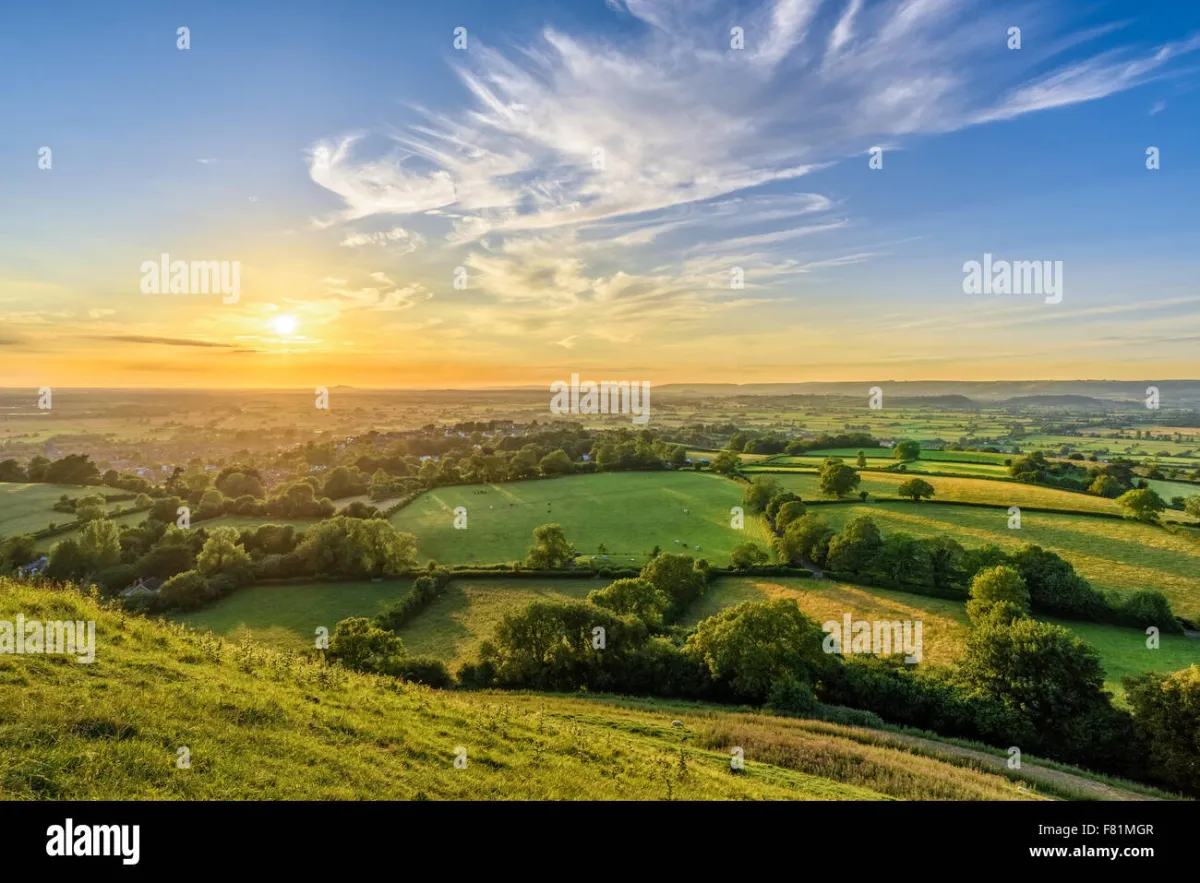 Photo: Somerset Levels, via c8.alamy.com
She walks the cut edges in late winter looking for the first shoots of marsh samphire, for the pale stems of reed mace that can be eaten like a vegetable, for the rhizomes of the reed itself, which can be dried and ground into a flour with a faint, nutty sweetness. As spring advances, she's back for watercress growing in the cleaner drainage channels, for the young leaves of water mint, and — in good years — for the fat, sweet stems of angelica that push up along the wetter margins.
"The thatchers open the land up," she says, crouching beside a drainage rhyne to examine a dense mat of watercress. "They don't think of themselves as doing anything for food culture. But they are. Every bed they cut is essentially a reset button for the whole system."
She sells much of what she harvests through a small box scheme to restaurants in Taunton and Bristol, where chefs have developed an almost evangelical enthusiasm for hyper-local wetland produce. A Levels-grown watercress, she says, tastes nothing like its supermarket equivalent — sharper, more mineral, with a heat that lingers.
Thatchers, Smallholders, and the Economics of Ancient Craft
The economics of traditional thatching are fragile, and have been for decades. The craft requires years of apprenticeship, physically demanding seasonal work, and a supply chain that depends on a dwindling number of working reedbeds. Imported reed — primarily from Turkey and Eastern Europe — undercuts domestic producers on price, and many smaller beds have been abandoned or allowed to scrub over as the financial case for managing them has weakened.
But there are signs that the calculus is shifting. Several reedbed owners across Norfolk and Somerset have begun diversifying their income streams in ways that would have seemed eccentric a generation ago. One family operation near Hickling in Norfolk now runs guided winter wildfowling days across their managed beds, providing accommodation in a converted fen lodge and selling oven-ready mallard and teal directly to consumers. Another operation on the Levels has partnered with a local cheesemaker who grazes a small herd of British Friesians on the drier meadow ground adjacent to the reedbeds, using the connection to market a "wetland pasture" cheese that has found an enthusiastic audience at farmers' markets in Bath and Bristol.
"You have to think of the whole system," says one Norfolk reed merchant who supplies thatchers across East Anglia. "The bed is the engine. But what comes off the margins, what lives in the water, what grazes the edges — that's where the new income is coming from. It always was, really. People just forgot."
A Medieval Model for Modern Resilience
There is something quietly radical about what these wetland smallholders are doing, though none of them would use that word. What they're practising is, at its core, a medieval model of land use — one in which a single managed landscape produces reed for building, fish for eating, wildfowl for the table, and fodder for livestock, all within the same annual cycle. The difference is that today it's framed as diversification and rural enterprise rather than simple subsistence.
The ecologists watching these systems closely are cautiously optimistic. Well-managed reedbeds are among the most effective carbon stores in the British landscape, and there is growing interest from both government and private investors in paying landowners to maintain and expand them. If that funding materialises at scale, it could transform the economics of traditional reed harvesting overnight — and with it, the livelihoods of everyone who has quietly been building a food culture around the cutting cycle's margins.
For now, though, the work continues as it always has. The boat moves slowly through the January mist. The scythe swings. The reed falls in great bronze armfuls. And somewhere in the water beneath, a tench moves through the clearer shallows, feeding on the invertebrates that the light has brought back to life.
The thatcher doesn't need to know about any of that to do his job. But it's happening all the same.