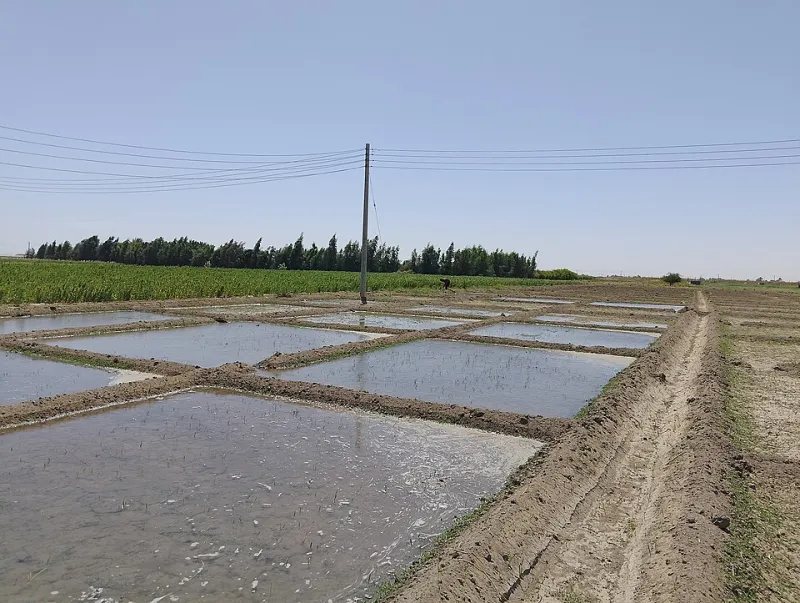
Marsh in a Bottle: The Wetland Distillers Giving Britain's Fens a Flavour Worth Fighting For
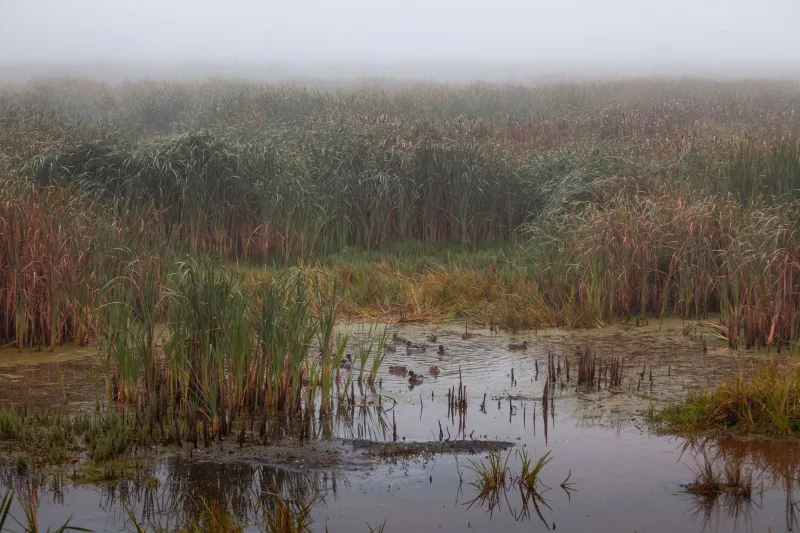
Marsh in a Bottle: The Wetland Distillers Giving Britain's Fens a Flavour Worth Fighting For
There's a particular quality to the air above a saltmarsh at low tide. It's thick with iodine and something older — a green, faintly vegetal richness that catches at the back of the throat. Most people walk past it without a second thought. A small but growing number of British distillers, though, have started walking in the other direction, straight into the reeds, secateurs in hand.
The wetland gin movement is still young enough to feel like a secret. You won't find these bottles on every supermarket shelf, and the distilleries producing them tend to be modest operations tucked behind farm gates or perched on the edges of nature reserves. But what they're making is genuinely distinctive — spirits that carry the character of their surroundings in ways that no amount of marketing copy could manufacture.
Roots in the Fen
The Norfolk Broads have always been a landscape defined by what they produce — reed for thatching, sedge for bedding, fish for the table. It seems almost inevitable, then, that they should eventually yield something for the glass.
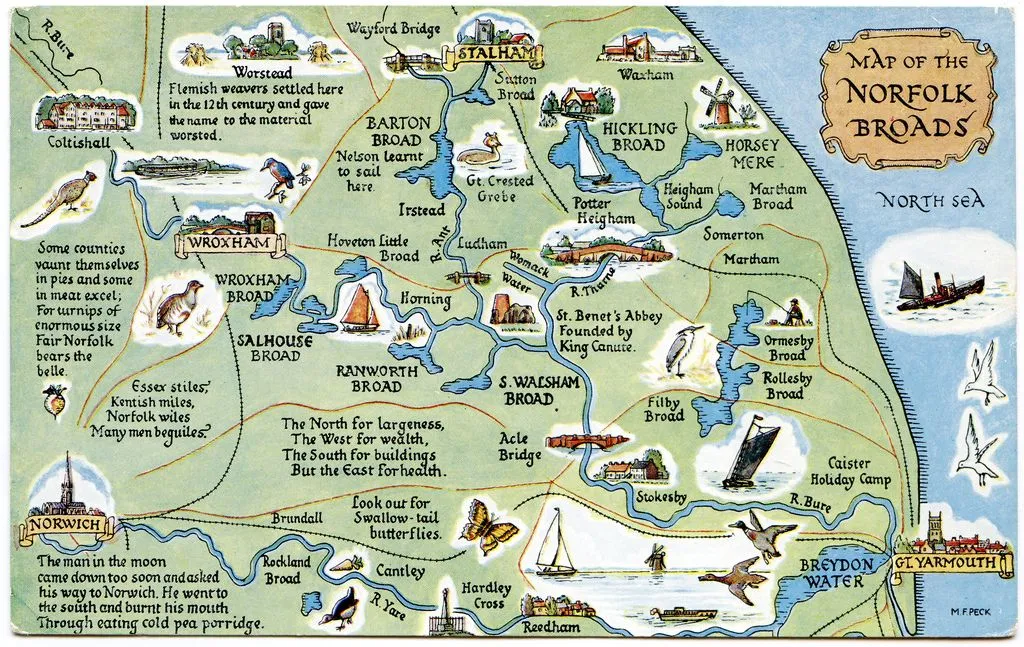 Photo: Norfolk Broads, via i.pinimg.com
Several small distilleries operating around the Broads have begun incorporating locally foraged botanicals into their recipes over the past decade. Yellow iris root — gathered carefully and in small quantities from managed fen margins — lends a dry, almost powdery floral note that juniper alone could never achieve. Marsh samphire, picked at the height of summer before it flowers, brings a briny sharpness that anchors the spirit firmly in its geography. Some distillers are experimenting with dried reed pollen, which adds a dusty sweetness not unlike chamomile.
The results are gins that reward slow sipping. These aren't the kind of bottles you'd reach for if you wanted something clean and easy. They're complex, occasionally challenging, and stubbornly local — which is precisely the point.
Somerset's Quiet Revolution
Further west, the Somerset Levels have their own story to tell. This is a landscape that has spent centuries being drained, managed, and argued over, and the tensions between farming, conservation, and rewilding remain very much alive. Into that conversation, a handful of distillers have quietly inserted themselves.
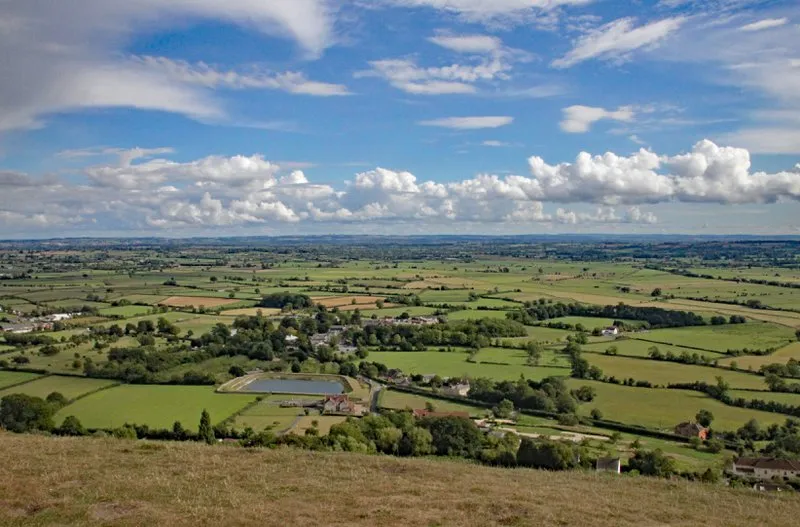 Photo: Somerset Levels, via www.southforkcaravans.co.uk
Sea purslane — that low-growing, silver-leaved plant that colonises the upper edges of saltmarsh — turns out to be a remarkable gin botanical. It has a mineral, slightly salty quality that plays beautifully against classic juniper and coriander, and it grows in abundance on the managed marshes that fringe the Somerset coast. Meadowsweet, which thrives on the damp grasslands of the Levels proper, adds an almondy, almost honeyed note. Dried angelica stem, a plant with centuries of herbal and culinary history in Britain, provides the backbone.
One distiller operating near Glastonbury — who collects many of her botanicals herself across a three-mile radius — describes her gin as "a map of a morning walk." It's a phrase that sounds like marketing until you taste the thing, at which point it becomes simply accurate.
More Than Just Flavour
What makes this movement genuinely interesting, beyond the contents of the bottle, is what it's doing for the landscapes that inspire it. Wetlands in Britain have had a rough few centuries. Drainage for agriculture has destroyed vast areas of fen, reedbed, and saltmarsh. The species that depend on these habitats — bitterns, marsh harriers, water voles — have suffered accordingly.
Giving wetland plants an economic value, however modest, changes the conversation about what these places are for. When a distillery sources marsh samphire or iris root from a managed nature reserve, it creates a financial case for maintaining that reserve that sits alongside the ecological and aesthetic arguments. It's not a silver bullet, but it's a meaningful addition to the toolkit.
Several of the distilleries involved have formalised these relationships, working directly with conservation bodies and land managers to ensure that foraging is done sustainably and that a portion of revenue flows back into habitat management. It's a model that's still developing, but the direction of travel is encouraging.
The Taste of Somewhere
There's a word that keeps cropping up in conversations with wetland distillers: terroir. It's a term borrowed from wine and applied increasingly to everything from cheese to whisky, and it carries with it the idea that a food or drink can express the specific character of the place it comes from — the soil, the water, the climate, the plants that grow there.
For gin, which is by its nature a botanical product, the concept translates surprisingly well. A spirit made with locally foraged ingredients, distilled with local water, in a landscape with a particular atmospheric character, does taste different from one made anywhere else. Whether you call that terroir or simply provenance, it amounts to the same thing: a drink that couldn't exist without its place.
That's a powerful idea in a world where so much of what we consume is deliberately placeless — engineered for consistency across markets, stripped of anything that might confuse or challenge. These wetland gins are the opposite of that. They're difficult, specific, and rooted. They taste of mud and sky and something ancient.
Finding Your Marsh Gin
If you want to explore this corner of British distilling, the best approach is to look locally. Many of these producers sell primarily through their own websites or at farmers' markets and food festivals rather than through conventional retail channels. Some offer distillery visits, which are worth arranging if you can — there's something clarifying about tasting a gin while standing in the landscape that made it.
The Norfolk Broads, the Somerset Levels, the marshes of North Kent, and the saltings of the Essex coast are all producing interesting work. Further north, distillers in the Humber estuary region and along the Solway Firth are beginning to explore similar territory.
Britain has always had a complicated relationship with its wetlands. Too often they've been treated as problems to be solved rather than places to be valued. These distillers are making a quiet, eloquent case for a different view — one botanical at a time.