The Living Loaf: How Rural Britain's Communal Ovens Are Bringing Villages Back Together

Photo by Photo by Snap Wander on Unsplash on Unsplash
The Living Loaf: How Rural Britain's Communal Ovens Are Bringing Villages Back Together
In the churchyard of a small Cornish village, on the last Saturday of July, something unusual is happening. Thirty or so people are gathered around a low stone structure that looks, at first glance, like an oversized beehive. Smoke is rising from its mouth. Children are sitting on the grass nearby, pulling apart warm bread with their hands. An older woman is explaining to a younger one how her grandmother used to time the heat by holding her arm inside the chamber and counting.
This is a cloam oven — a traditional Cornish clay bread oven — and it was rebuilt here three years ago by a group of local residents who wanted to reconnect their village with its baking heritage. It fires up roughly once a month, and the queue for a place in the rotation is longer than anyone expected.
An Ancient Arrangement
The communal oven has roots that stretch back well beyond the medieval period in Britain, but it was during the thirteenth and fourteenth centuries that the parish baking tradition really took hold. Domestic hearths were ill-suited to bread baking — too uneven, too difficult to hold at temperature — and the fuel required to heat a proper oven was considerable. Sharing made sense, both practically and economically.
In many villages, the oven was owned by the lord of the manor or the church and rented out to parishioners by the bake. In others, it was a genuinely communal asset, maintained collectively and governed by informal agreements about who baked when and how costs were shared. Either way, it was a social institution as much as a practical one. The oven was where you heard news, settled disputes, and marked the turning of the year — particularly at Lammas, the early August harvest festival when the first loaves of the new grain were traditionally baked and blessed.
The Industrial Revolution and the rise of commercial bakeries gradually made the communal oven redundant. By the mid-twentieth century, most had been demolished or left to crumble. The knowledge of how to build and fire them began to fade.
Rebuilding the Hearth
The revival now underway is patchy and grassroots, which is perhaps as it should be. There's no national organisation driving it, no government grant scheme specifically targeted at communal ovens. What there is, instead, is a collection of determined local groups who have decided that something valuable was lost and are doing the practical work of getting it back.
In Northumberland, a community on the edge of the National Park spent two summers sourcing local stone, learning traditional construction techniques from a handful of surviving accounts and the advice of a retired stonemason, and building an oven large enough to take a dozen loaves at a time. Their first communal bake drew more people than the village hall had seen in years.
In the Welsh Borders, a group associated with a community-supported agriculture scheme has built a wood-fired oven as part of a broader project around heritage grain growing. They're working with a local farmer who cultivates a small acreage of Hen Gymro — an ancient Welsh wheat variety — specifically for the communal bakes. The connection between the field and the loaf, they say, is part of what makes the whole enterprise meaningful.
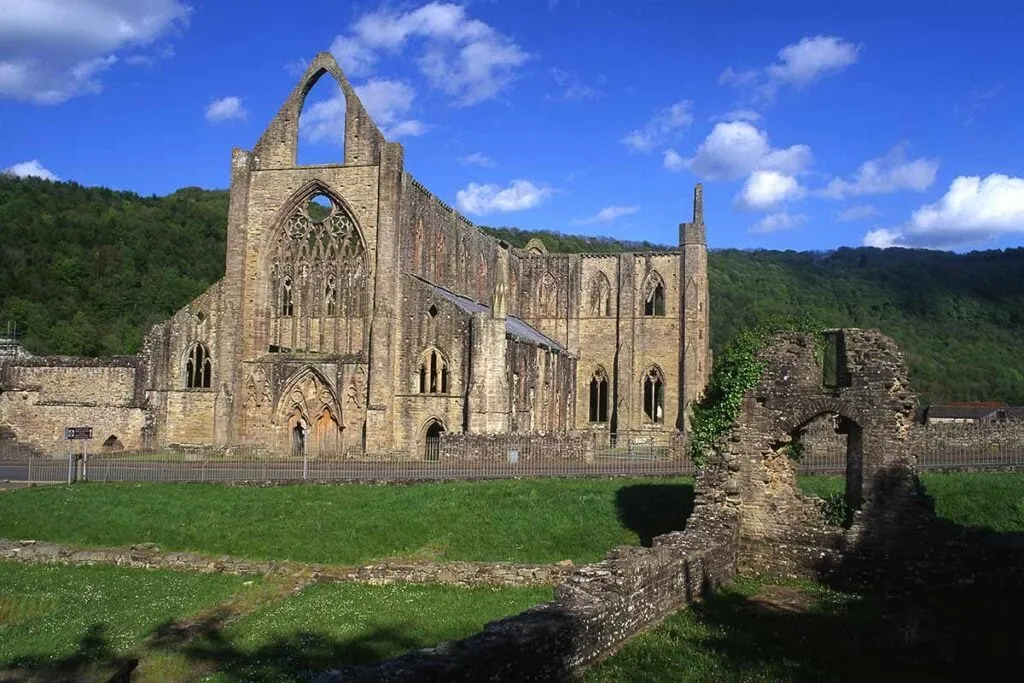 Photo: Welsh Borders, via delveintoeurope.com
Down in Somerset, a village near Shepton Mallet has revived its baking tradition as part of a broader programme of events tied to the agricultural calendar. The oven fires at key moments in the farming year — spring planting, hay harvest, apple pressing — and the bread baked on each occasion uses grain or other ingredients that reflect the season.
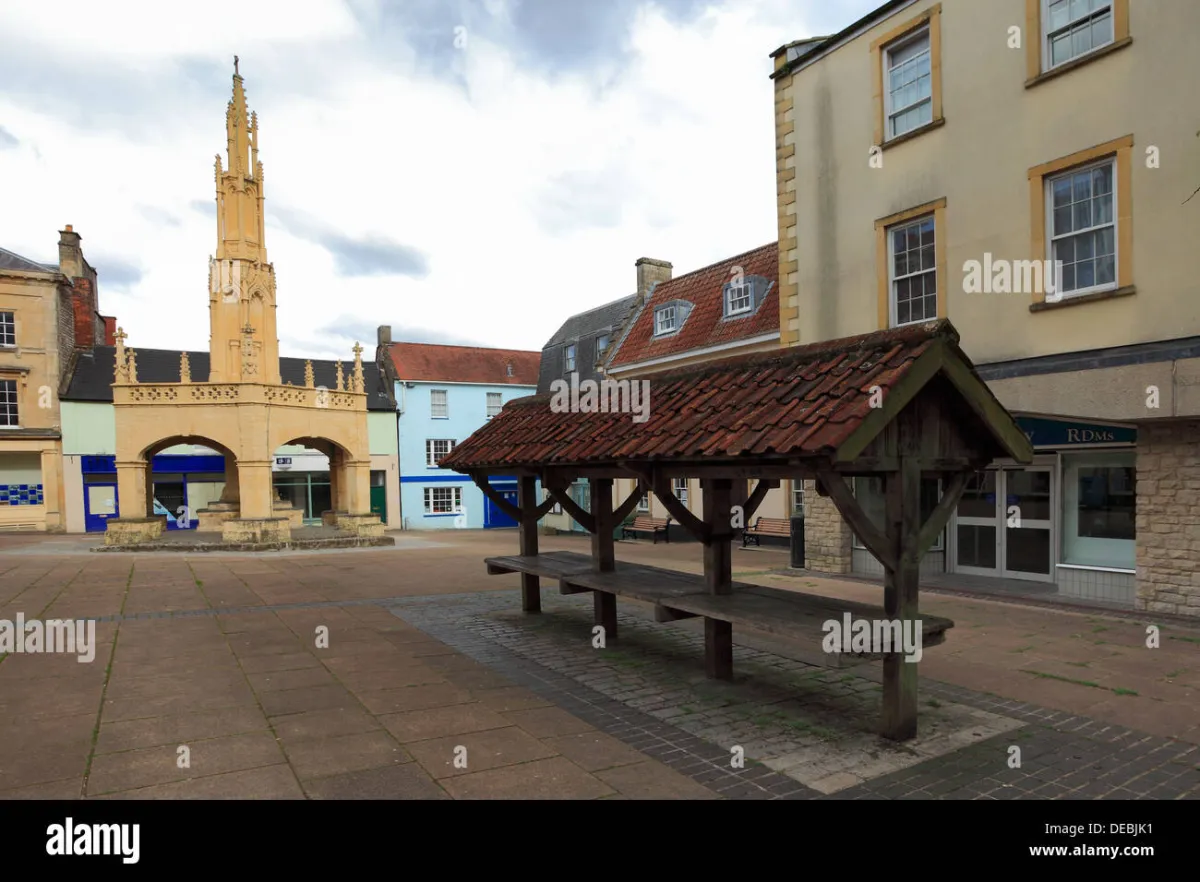 Photo: Shepton Mallet, via c8.alamy.com
More Than Nostalgia
It would be easy to dismiss all of this as nostalgia — a comfortable middle-class hobby dressed up in heritage clothing. That would be unfair, and it would miss what's actually happening in these communities.
For one thing, the practical skills involved are genuinely demanding. Managing a wood-fired oven requires patience and experience. Getting the temperature right, knowing when the chamber has held enough heat, understanding how different doughs behave in a declining-heat environment — these are things that take time to learn and that were, until recently, in danger of being lost entirely.
For another, the economics are more interesting than they first appear. Several of these community ovens have become modest but real contributors to local food sovereignty. Groups growing their own heritage wheat, milling it locally, and baking it communally are creating a food chain that is genuinely short, genuinely traceable, and genuinely theirs. In a rural landscape where small-scale food production has been squeezed for decades, that matters.
And then there's the social dimension, which is perhaps the hardest to quantify but the easiest to observe. People who barely knew one another before the oven was built have become, through the shared labour of firing and baking, something closer to a community. The loaf, it turns out, is a vehicle for something that has nothing to do with gluten or fermentation.
The Grain Behind the Bread
One thread that runs through many of these revivals is a renewed interest in heritage wheat varieties — the older, lower-yielding, more flavoursome grains that were largely displaced by high-intensity modern cultivars during the twentieth century. Varieties like Red Lammas, Maris Widgeon, and Hen Gymro are being grown again by a small but growing number of farmers who supply community baking groups directly.
These wheats behave differently from modern bread flours. They're lower in gluten, more complex in flavour, and better suited to long, slow fermentation. They also have a direct connection to the landscapes and communities that bred them over centuries — a connection that gives the bread made from them a particular resonance when baked in a communal oven on a harvest morning.
What the Oven Tells Us
The return of the communal bread oven is, in miniature, a story about what rural Britain is reaching for as it navigates an uncertain agricultural future. It's a story about wanting to know where food comes from, about valuing craft over convenience, and about the deep human need to do things together rather than alone.
The medieval parish oven didn't just feed people. It held a community in place, gave it a shared rhythm and a shared identity. The people rebuilding these ovens today understand that, even if they'd never put it in quite those terms. They just know that the bread tastes better when you've fired the oven yourself, and that it tastes better still when you eat it standing in a churchyard with your neighbours.