Stone Ground Stories: The Water-Powered Renaissance Transforming British Bread
Where Ancient Wheels Still Turn
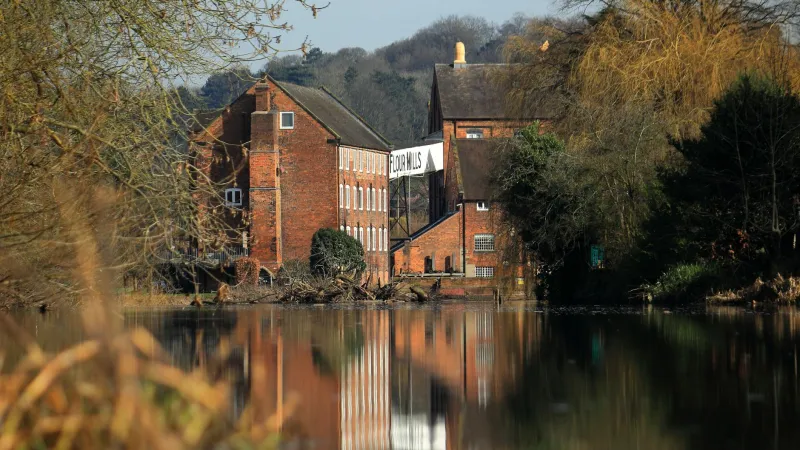
The rhythmic rumble of millstones echoes across the Worcestershire countryside as Avoncroft Museum's working water mill transforms heritage wheat into flour the way it has for centuries. But this isn't mere historical demonstration—this is part of a quiet revolution that's changing how Britain thinks about bread, one stone-ground grain at a time.
 Photo: Avoncroft Museum, via industrialtour.co.uk
Across the country, from the Cotswolds to Northumberland, a small but passionate network of working mills is grinding grains that industrial milling abandoned decades ago. Their customers aren't just heritage enthusiasts—they're master bakers, acclaimed restaurants, and increasingly, home cooks who've discovered that real flour produces bread with a depth of flavour that no factory process can match.
The Lost Art of Stone Grinding
Modern roller mills, introduced in the 1870s, revolutionised flour production by grinding faster and producing whiter flour. But speed came at a cost. The high-speed steel rollers generate heat that destroys delicate oils and nutrients in the grain, while the process strips away the germ and much of the bran to create uniform white flour.
Stone grinding works differently. Massive millstones, some weighing several tonnes, rotate slowly—typically 90 revolutions per minute compared to roller mills' 300-500 rpm. This gentle process preserves the grain's natural oils, vitamins, and complex flavours while maintaining the subtle variations that give stone-ground flour its character.
"When you taste bread made from properly stone-ground flour, it's a revelation," explains Tom Herbert, head baker at Hobbs House Bakery in Gloucestershire. "There's a nuttiness, a depth of flavour that you simply cannot achieve with industrial flour. It's like comparing a supermarket tomato with one grown in your garden."
Warwick Mill: Where Tradition Meets Innovation
In the shadow of Warwick Castle, Warwick Mill represents the perfect marriage of ancient technique and modern understanding. Miller Sarah Johnson inherited the 18th-century mill from her grandfather, along with knowledge passed down through five generations of grain specialists.
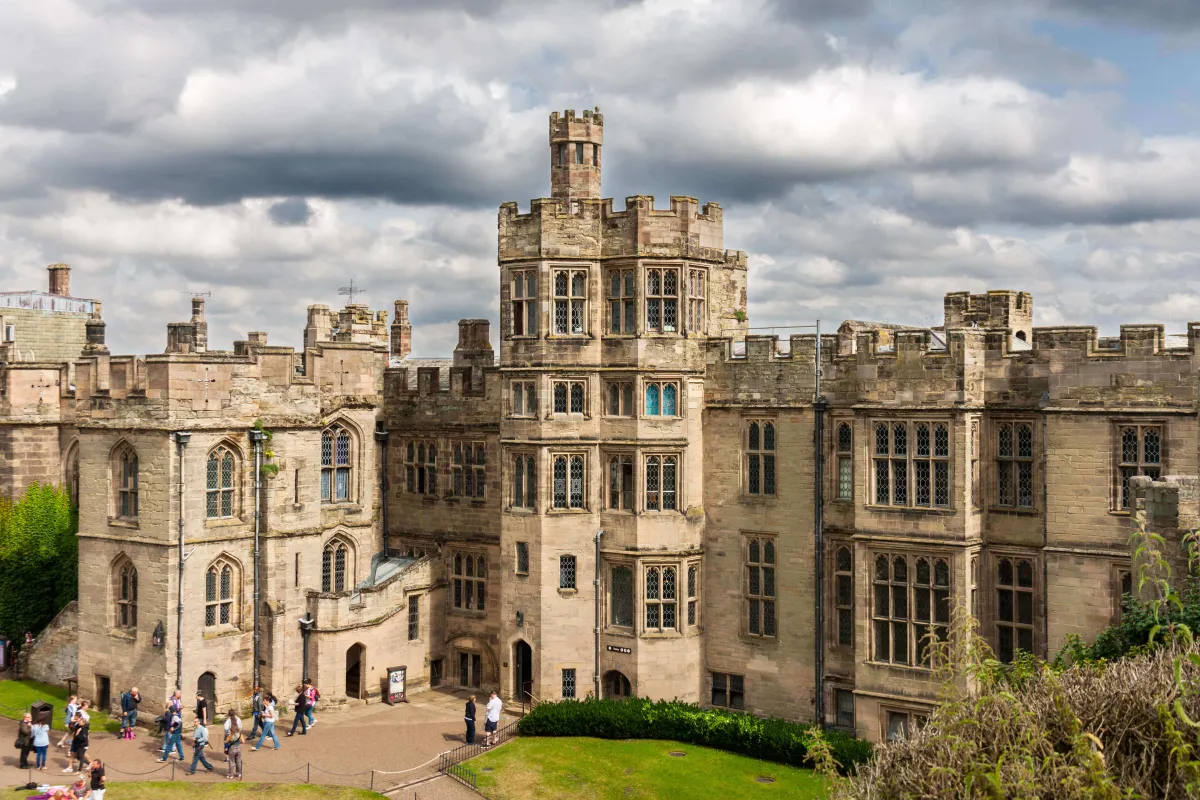 Photo: Warwick Castle, via before-n-after.co.uk
"People assume we're stuck in the past," Johnson says, adjusting the gap between her French Burr stones with practised precision. "But we're actually using cutting-edge knowledge about grain varieties, soil health, and fermentation. We just happen to be doing it with 200-year-old equipment."
The mill sources heritage wheat varieties directly from farms within a 30-mile radius—old cultivars like Maris Widgeon and Rouge de Bordeaux that were abandoned when agriculture prioritised yield over flavour. These ancient grains, grown on soils enriched with traditional methods rather than artificial fertilisers, produce flour with mineral complexity that modern wheat simply cannot match.
The Farmers Behind the Grain
At Gothelney Farm in Somerset, John Letts grows wheat varieties that haven't been seen in British fields for generations. His collection includes emmer, einkorn, and spelt—ancient grains that predate modern wheat by millennia. But Letts isn't motivated by nostalgia—he's driven by flavour and nutrition.
"Modern wheat has been bred for one thing: high yields," Letts explains, running heritage grain through his fingers. "These old varieties were selected for flavour, nutrition, and resilience. They produce less grain per acre, but what they produce is incomparably better."
Letts works with a network of water mills across southern England, including the famous Shipton Mill in Gloucestershire and Doves Farm in Berkshire. Each mill has its own character, its own stone composition, its own way of working with grain. The result is a diversity of flours that reflects the terroir of both soil and stone.
The Baker's Renaissance
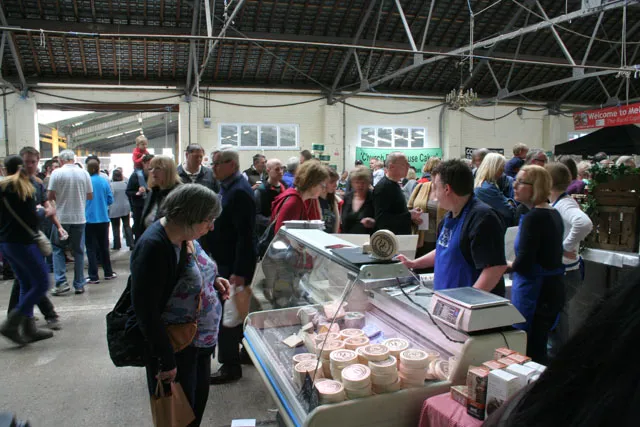
In London's Borough Market, Dan Lepard demonstrates the difference stone-ground flour makes to bread. His sourdough, made with flour from Shipton Mill's heritage grains, has a complex flavour profile that develops over days of slow fermentation.
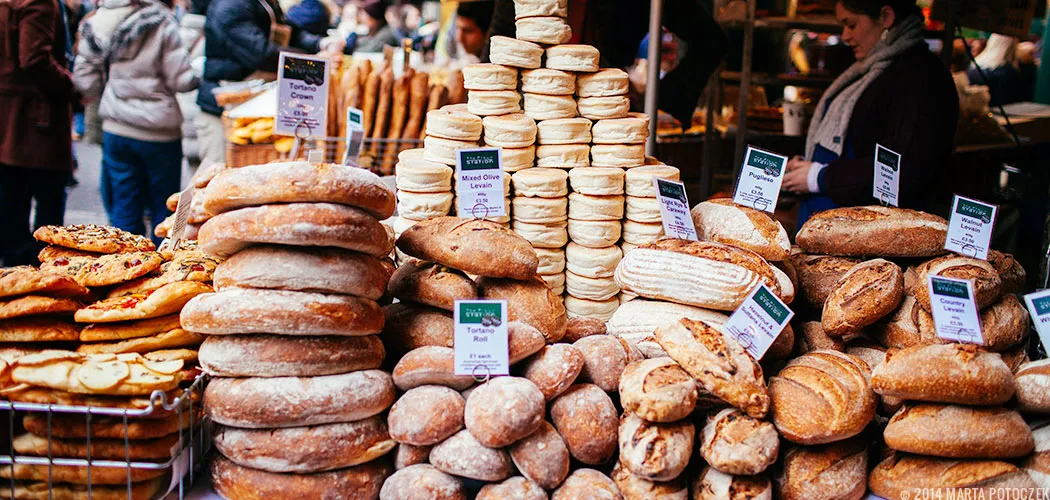 Photo: Borough Market, via www.lazysundaycooking.com
"Industrial flour is like white noise," Lepard explains, shaping loaves with practiced hands. "Stone-ground heritage flour is like a symphony—different notes emerging at different times, building complexity with every hour of fermentation."
The technical differences are profound. Stone-ground flour retains more of the grain's natural enzymes, which interact with wild yeasts during fermentation to create complex flavour compounds. The irregular particle size—impossible to achieve with roller mills—creates bread with better texture and keeping qualities.
Northern Traditions: Northumberland's Grain Heritage
At Heatherlaw Mill in Northumberland, the last working water mill on the River Till grinds oats and barley using techniques unchanged since the Border Reivers rode these hills. Miller James Henderson sources grain from Northumbrian farms that have grown the same varieties for centuries.
"Northumbrian oats are different from Scottish oats, which are different from Welsh oats," Henderson explains. "It's not just about the variety—it's about the soil, the climate, the way the grain is dried and stored. Every region has its own grain character."
Henderson's oatmeal supplies restaurants throughout the northeast, where chefs value its complex, nutty flavour and creamy texture. His barley flour, ground from heritage six-row varieties, produces bread with an almost wine-like complexity that pairs perfectly with Northumbrian lamb and cheese.
The Science of Stone
Not all millstones are created equal. The finest come from specific quarries in France, where centuries of experience have identified stones with the perfect combination of hardness and porosity. These French Burr stones, formed from freshwater quartz, contain thousands of tiny air pockets that create sharp cutting edges while allowing the flour to breathe during grinding.
"The stone itself is as important as the grain," explains restoration specialist Mike Thurlow, who maintains millstones across Britain. "Different stones suit different grains. Soft limestone for oats, hard granite for wheat, French Burr for the finest white flour. It's a relationship between geology and gastronomy that goes back thousands of years."
Challenges and Opportunities
The water mill renaissance faces significant challenges. Many historic mills need expensive restoration, skilled millers are rare, and heritage grain varieties produce lower yields that make them economically marginal. Climate change threatens water supplies that power the mills, while food safety regulations designed for industrial production can be difficult for small mills to navigate.
Yet opportunities abound. Consumer demand for authentic, traceable food continues to grow. Artisan bakers increasingly seek distinctive ingredients that set their products apart. Even some commercial bakeries are beginning to incorporate stone-ground flours into premium lines.
The Future Flows Forward
As Britain grapples with food security, environmental sustainability, and public health, water mills offer solutions that industrial agriculture struggles to provide. Their local supply chains reduce transportation emissions. Their gentle processing preserves nutrition. Their connection to place creates products with genuine character and story.
Back at Warwick Mill, Sarah Johnson watches her stones turn as they have for centuries, transforming grain into flour that will become bread on tables across the Midlands. The process is ancient, but the vision is thoroughly modern—a food system that prioritises quality over quantity, flavour over efficiency, and connection over convenience.
"Every bag of flour tells a story," Johnson reflects, feeling the texture of freshly ground wheat between her fingers. "The story of the farmer who grew it, the soil that nurtured it, the mill that ground it. When people taste bread made from this flour, they're tasting that whole story. That's something no factory can replicate."
The water wheels keep turning, as they have for centuries, but now they're grinding more than grain—they're milling a quiet revolution that's returning character, flavour, and story to Britain's daily bread.