Britain's Muddy Goldmines: Where Estuary Meets Table in Five Spectacular Tidal Larders
Nature's Supermarket Awaits the Tide
Twice daily, the retreating tide across Britain's estuaries reveals what may be Europe's most productive—and underutilised—wild food systems. These brackish frontiers, where river meets sea, create unique conditions that support an extraordinary abundance of edible life. From glasswort to cockles, samphire to sea lettuce, our estuaries offer a constantly changing menu that follows nature's own calendar.
For the knowledgeable forager, these tidal zones represent more than just free food—they're ecosystems that have sustained coastal communities for millennia, and continue to supply some of Britain's most innovative kitchens with ingredients that money simply cannot buy from any shop.
The Wash, Norfolk: Britain's Samphire Capital
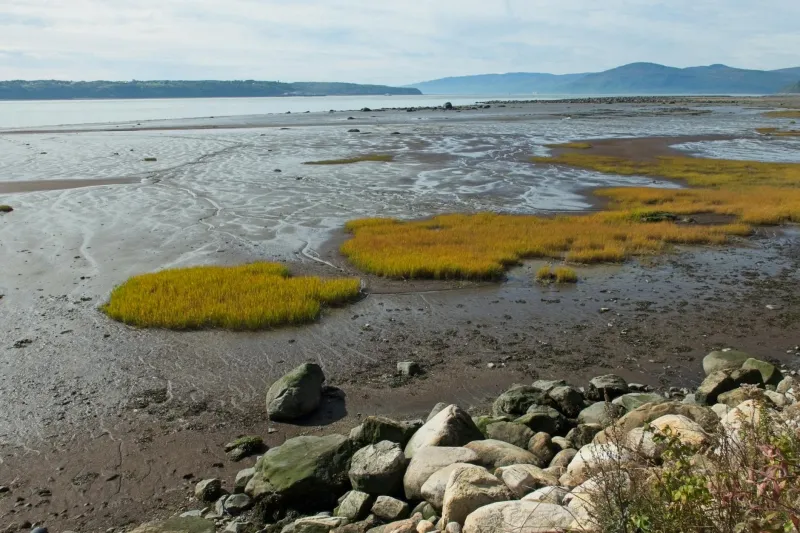
Stretching across the Norfolk-Lincolnshire border, The Wash transforms with each tide into a vast green carpet of samphire—that crisp, salty succulent that graces the finest fish restaurants from London to Edinburgh. But timing is everything in this tidal treasure hunt.
 Photo: The Wash, via www.laconservancy.org
Summer Glory (June-August): The samphire season reaches its peak when the plants are young and tender. Local picker Sarah Thompson, whose family has worked these mudflats for four generations, knows every creek and channel. "You want the bright green shoots, finger-thick and snappy," she explains, filling her basket with military precision. "Once they flower, they turn woody—only good for the birds then."
Alongside samphire, summer brings sea asparagus and the first tender shoots of sea purslane. The mudflats teem with brown shrimp, best caught on the incoming tide with traditional push-nets. Local pubs serve them simply boiled and peeled, their sweet flesh enhanced by nothing more than brown bread and butter.
Autumn Abundance (September-November): As samphire fades, sea beets emerge—wild relatives of beetroot and chard that thrive in salt-spray conditions. The leaves, deep purple-green and mineral-rich, make exceptional wilted greens. This is also cockle season, when the bivalves reach peak condition before winter.
Morecambe Bay, Lancashire: The Treacherous Bounty
Morecambe Bay's shifting sands and racing tides create one of Britain's most dangerous—and most rewarding—foraging environments. This vast expanse, covering 120 square miles at low tide, supports everything from legendary brown shrimp to the finest cockles in England.
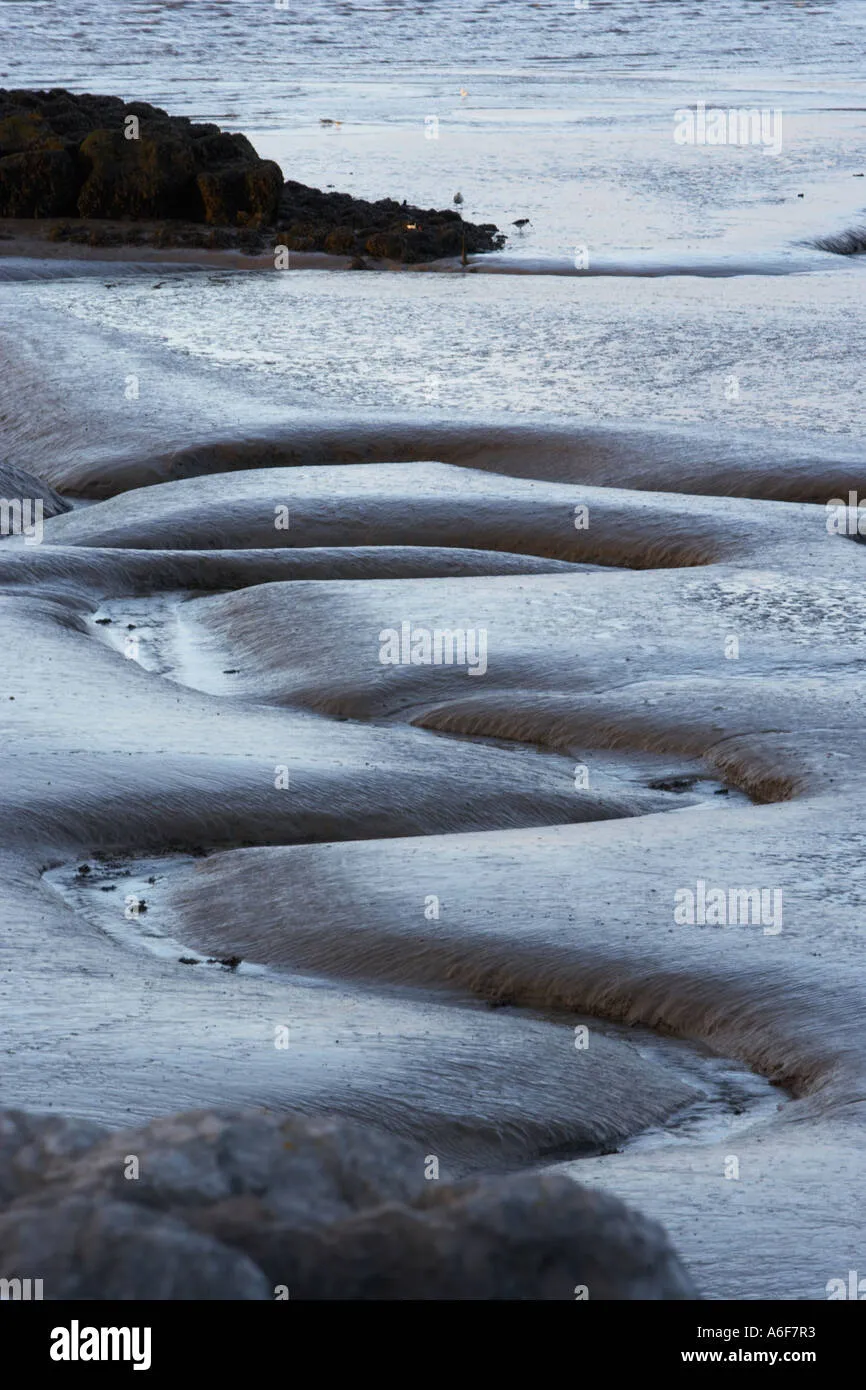 Photo: Morecambe Bay, via c8.alamy.com
Spring Awakening (March-May): As winter storms subside, the bay's famous brown shrimp emerge from deeper waters. Traditional horse-and-cart fishermen still work these waters, their knowledge of safe passage across the sands passed down through generations. The shrimp, sweet and delicate, need nothing more than gentle boiling and careful peeling.
Sea lettuce begins its growth spurt in late spring, the translucent green fronds excellent in salads or dried as a mineral-rich seasoning. Razor clams, following the tide line, reveal their presence through characteristic squirts of water from their burrows.
Summer Harvest (June-August): Cockle beds reach their prime, the shells heavy with sweet meat. Traditional cockling requires intimate knowledge of the bay's treacherous terrain—the sands shift constantly, and tides can cut off unwary pickers. Licensed cocklers like John Mason work with practiced efficiency. "The bay gives generously," he says, "but she demands respect."
The Solway Firth, Cumbria-Scotland Border: Where Two Nations Share One Larder
This magnificent estuary, straddling the English-Scottish border, creates a unique ecosystem where Cumbrian fells meet Southern Upland hills. The result is an estuary rich in both marine life and the mineral runoff from surrounding mountains.
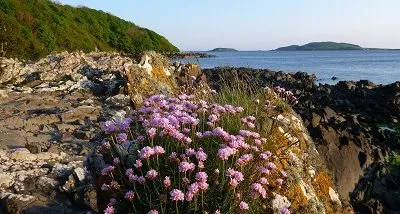 Photo: The Solway Firth, via www.solwayfirthpartnership.co.uk
Year-Round Razor Clams: The Solway's sandy beaches harbour some of Britain's finest razor clams. Unlike their southern cousins, these northern specimens grow large and sweet in the cold, nutrient-rich waters. Local chef Emma Bruce, who runs a seafood restaurant in nearby Annan, sources directly from the shore. "Solway razors have a clean, almost nutty sweetness," she explains. "They're best simply griddled with wild garlic and oatcakes."
Winter Specialties (December-February): When other estuaries grow quiet, the Solway comes alive with winter migrants. Curlews and oystercatchers work the mudflats alongside human foragers seeking winter purslane and sea rocket. The cold waters also bring exceptional mussels, their shells heavy with sweet, orange-fleshed meat.
The Severn Estuary, Gloucestershire-Wales: Ancient Waters, Modern Revival
The Severn's massive tidal range—second only to the Bay of Fundy—creates vast mudflats that support an incredible diversity of life. This working estuary, lined with industrial heritage, also harbours some of Britain's most productive wild food zones.
Spring Greens (March-May): As the bore tide thunders upriver, it deposits fertile silt that nourishes extensive beds of sea spinach and orache. These mineral-rich greens, gathered by foragers like Cardiff-based Wild Food UK, supply restaurants throughout Wales and western England.
The estuary's famous elvers (young eels) make their legendary migration upstream during spring tides, though strict regulations now protect this endangered species. Traditional elvering families still hold ancient rights but work under careful conservation guidelines.
Autumn Nuts (September-November): The Severn's brackish upper reaches support one of Britain's few wild sweet chestnut populations adapted to saltwater influence. These nuts, smaller but more intensely flavoured than their inland cousins, were once a crucial food source for estuary communities.
The Thames Estuary, Essex-Kent: London's Forgotten Larder
Just an hour from central London, the Thames Estuary still functions as a working wild food system, though few Londoners realise the abundance on their doorstep. From Leigh-on-Sea's cockle sheds to Whitstable's famous oysters, this estuary feeds the capital as it has for centuries.
Summer Abundance (June-September): The Essex mudflats around Leigh-on-Sea produce some of England's finest cockles, hand-raked by families who've worked these waters for generations. The nearby saltmarshes support extensive samphire beds and, uniquely for southern England, sea purslane that grows thick and succulent in the Thames's nutrient-rich waters.
Oyster Season (September-April): While Whitstable claims the fame, oysters thrive throughout the Thames Estuary wherever clean water meets chalky seabeds. Native oysters, slowly recovering from near-extinction, represent one of conservation's quiet success stories. Pacific oysters, introduced in the 1960s, now provide year-round harvesting opportunities for licensed gatherers.
The Forager's Code
Every estuary forager follows unwritten rules that protect both harvester and habitat. Take only what you need, leave the root systems intact, and never strip an area completely. Most importantly, understand the tides—estuaries can transform from ankle-deep puddles to raging torrents in minutes.
Local knowledge remains paramount. Each estuary has its own rhythms, its own dangers, its own seasons of plenty. The wise forager learns from locals, respects traditional harvesting areas, and always checks local bylaws and conservation restrictions.
As climate change alters coastal ecosystems, these ancient food systems become ever more precious. They represent not just free meals, but a direct connection to the natural rhythms that once governed all human communities. In an age of global supply chains and processed foods, Britain's estuaries remind us that the finest flavours often lie closest to home, waiting only for the next tide to reveal their treasures.