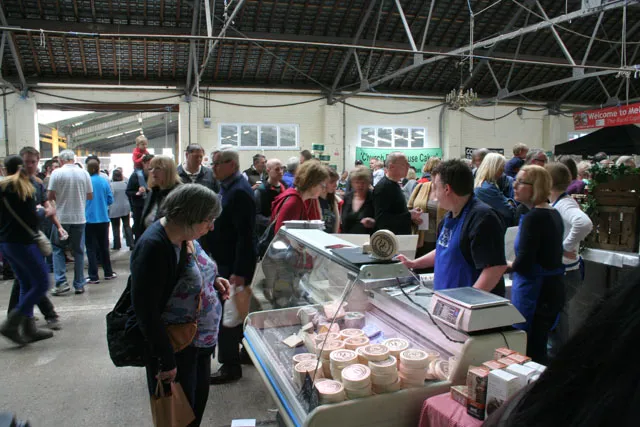
From Pasture to Plate: The Farmer-Butchers Revolutionising Britain's Meat Culture
Beyond the Commodity Cut
In a converted stone barn outside Hexham, James Rebanks slides his knife along the backbone of a Herdwick lamb with the precision of a surgeon and the reverence of a priest. This isn't just butchery—it's the culmination of a three-year relationship that began when he selected the breeding ewes, continued through lambing season on Lakeland fells, and now concludes in his cutting room where every sinew tells the story of a life well-lived.
Rebanks represents a quiet revolution sweeping British agriculture: farmer-butchers who refuse to surrender their animals to anonymous abattoirs and faceless supply chains. These pioneers understand that exceptional meat cannot be divorced from exceptional farming, and that the butcher's block—not the restaurant pass—may be the most important frontier in rebuilding Britain's relationship with the animals that feed us.
The Whole-Animal Philosophy
"When you raise an animal from birth to plate, you develop a responsibility that changes everything," explains Rebanks, his hands stained with honest work as he portions the lamb into cuts that honour both tradition and innovation. "You can't hide behind ignorance about welfare or feed quality or stress levels. Every decision you make in the field shows up in the meat."
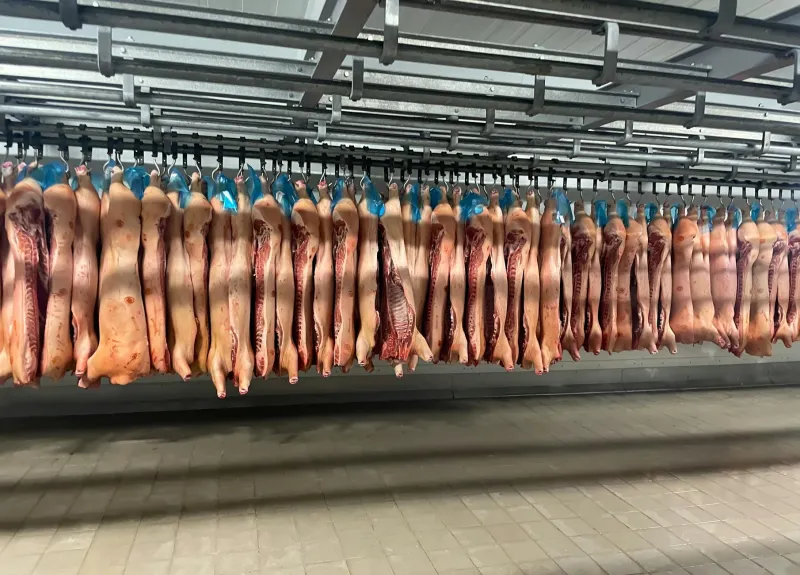
This whole-animal thinking challenges the commodity mindset that has dominated British agriculture for decades. In the industrial system, farmers sell live animals to processors who sell standardised cuts to retailers who sell shrink-wrapped portions to consumers. Each link in this chain prioritises efficiency over excellence, quantity over quality, and profit margins over the profound responsibility of turning life into nourishment.
Farmer-butchers collapse this chain into a single, integrated operation where the same hands that guided an animal through life also guide it through death and into the careful craft of butchery. The result isn't just better meat—it's a fundamentally different relationship between producer, product, and plate.
Masters of Their Domain
At Pipers Farm in Devon, Peter Greig has spent three decades perfecting this integrated approach. His Ruby Red cattle graze permanent pasture that has never known artificial fertiliser, developing the deep marbling and complex flavour that only comes from slow growth on species-rich grassland.
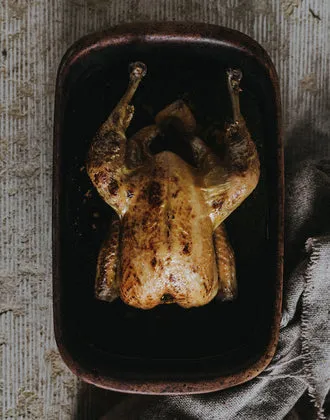 Photo: Pipers Farm, via pipersfarm.com
"Industrial agriculture treats animals like units of production," Greig explains, watching his cattle browse ancient hedgerows that provide both shelter and supplemental nutrition. "We treat them as individuals with specific needs, preferences, and characteristics. When you know each animal personally, you can't help but produce better meat."
Greig's on-farm butchery processes only his own animals, ensuring complete traceability from pasture to plate. Customers don't just buy Devon beef—they buy meat from specific fields, specific seasons, specific animals with documented histories of health and happiness. This transparency builds trust that supermarket supply chains structurally cannot match.
The farm's dry-aging caves, carved into Devon sandstone, represent another advantage of the farmer-butcher model. While industrial processors prioritise rapid turnover, Greig can afford to hang his beef for 28 days or longer, developing the complex flavours and tender textures that made British beef legendary.
The Economics of Excellence
Critics argue that farmer-butchers represent an elitist return to pre-industrial agriculture, producing expensive meat for wealthy consumers while ignoring the reality of feeding modern Britain. But the economics tell a more complex story.
"We're not charging premium prices for the same product," counters Yorkshire farmer-butcher Tom Mylan, whose Swaledale operation supplies restaurants throughout northern England. "We're producing a fundamentally different product that happens to cost more because it's worth more."
Mylan's Swaledale mutton, aged for up to two years before slaughter, commands prices that would seem astronomical for supermarket lamb. But his customers—including several Michelin-starred chefs—understand they're buying meat that cannot be replicated through industrial methods.
The farmer-butcher model also generates multiple revenue streams from single animals. Where industrial processors prioritise high-value cuts and struggle to market offal and unusual portions, farmer-butchers develop relationships with customers who appreciate nose-to-tail eating. Mylan's kidney fat renders into premium cooking lard, his bones become sought-after stock ingredients, and his less popular cuts find eager markets among customers educated about whole-animal cookery.
Breeding for Flavour
Perhaps most importantly, farmer-butchers can select and breed specifically for eating quality rather than industrial efficiency. Commercial agriculture has spent decades breeding animals for rapid growth, high feed conversion ratios, and uniform carcass weights—characteristics that often compromise flavour and texture.
"When you control the entire process from breeding to butchery, you can optimise for taste instead of yield," explains Highland farmer-butcher Ishbel MacLeod, whose native breed cattle produce beef with the complex flavour profile that made Scottish beef famous centuries ago. "These old breeds might grow slower and yield less, but the eating quality is incomparable."
MacLeod's Highland cattle spend their entire lives on rough hill pasture, developing the firm muscle texture and distinctive flavour that reflects their challenging environment. Industrial systems would consider this inefficient, but MacLeod's customers—including top London restaurants—recognise the superior product that emerges from this traditional approach.
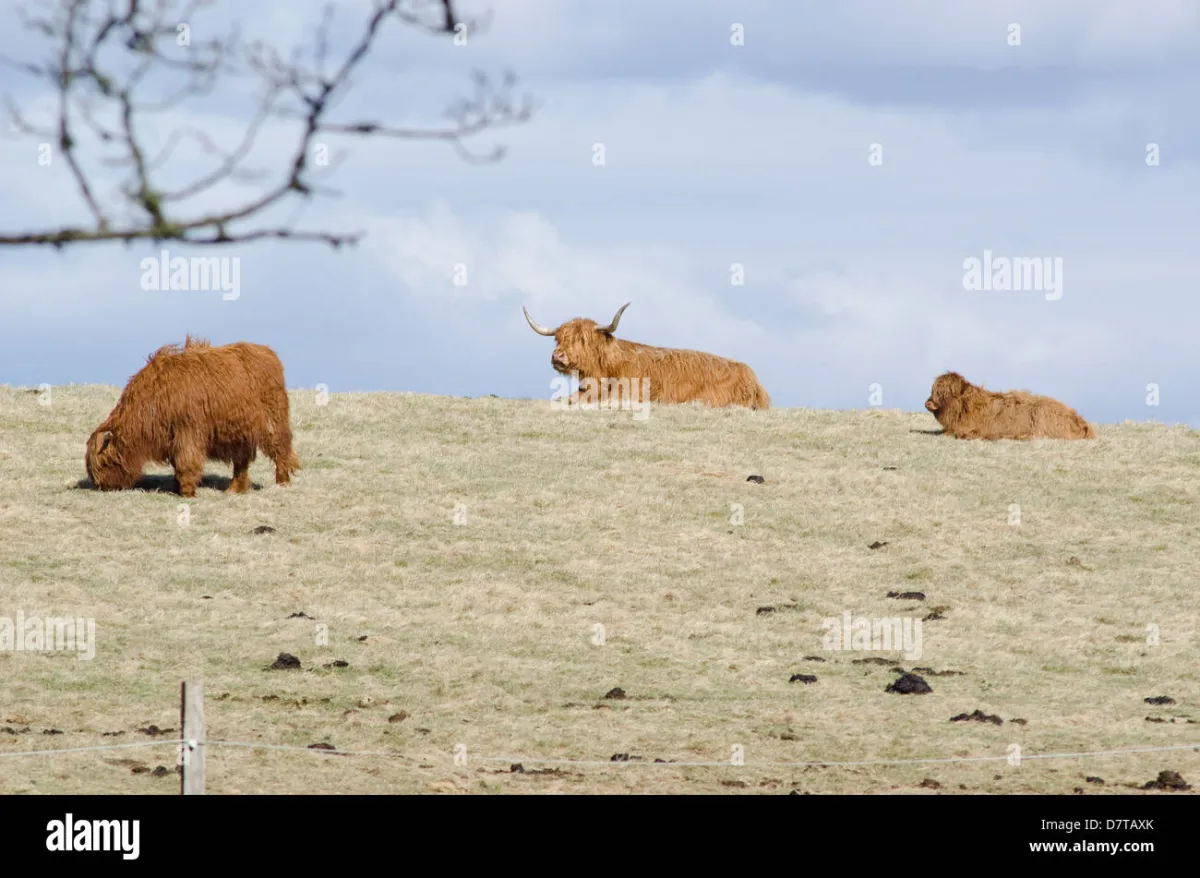 Photo: Highland cattle, via c8.alamy.com
The farmer-butcher model also enables experimentation with feeding regimes and finishing techniques. MacLeod supplements her cattle's grass diet with locally grown barley and root vegetables, creating seasonal variations in flavour that reflect the changing Highland landscape.
Rebuilding Rural Skills
The rise of farmer-butchers represents more than agricultural innovation—it's a renaissance of rural skills that were nearly lost to industrialisation. Traditional butchery requires years of apprenticeship to master the complex anatomy of different species and the varied techniques for maximising each carcass.
"We're not just cutting meat," explains Cornish farmer-butcher Sarah Williams, whose hands move with inherited wisdom as she breaks down a Middle White pig. "We're practising crafts that connect us to centuries of rural knowledge. Every cut, every technique, every decision about aging and preparation—it all carries forward the accumulated wisdom of generations."
Williams learned traditional pig butchery from her grandfather, who processed the family's annual pig slaughter using techniques unchanged for centuries. Today, she applies that knowledge to heritage breed pork that supplies some of Cornwall's finest restaurants, creating modern applications for ancient skills.
The farmer-butcher workshop becomes a classroom where traditional knowledge meets contemporary food safety requirements. Williams teaches courses in whole-animal butchery, passing on skills that were once common in every rural community but are now rare enough to command premium prices from professional chefs.
The Future of British Meat
As concerns about industrial agriculture mount—from animal welfare to environmental impact to antibiotic resistance—farmer-butchers offer a compelling alternative that addresses multiple challenges simultaneously. Their integrated approach produces superior meat while maintaining higher welfare standards, supporting local economies, and preserving traditional skills.
"This isn't about going backwards," insists James Rebanks, surveying the Lakeland landscape that his farming has helped preserve. "It's about going forwards with the wisdom of the past. We're proving that you can produce exceptional food while caring for animals, land, and communities."
The farmer-butcher movement remains small, but its influence extends far beyond the farms and workshops where it's practised. These pioneers are demonstrating that the industrial model isn't inevitable—that British agriculture can choose a different path that prioritises excellence over efficiency, relationship over transaction, and the profound responsibility of transforming life into sustenance.
In an age of global supply chains and anonymous production, farmer-butchers offer something increasingly rare: complete honesty about where our food comes from and how it reaches our plates. They remind us that eating meat is a moral act that deserves the highest standards of care, craft, and respect for the animals whose lives become our nourishment.