Beyond Bacon: How Britain's Rare Pig Breeds Are Reclaiming Flavour from Factory Farms
The Blandness Epidemic
There's a reason your supermarket bacon tastes like salty water and your Sunday roast lacks the deep, rich flavour your grandmother remembers. Modern commercial pork comes from just three breeds — Large White, Landrace, and Duroc — selected purely for rapid growth and lean meat production. These pigs live in controlled environments, eat standardised feed, and reach slaughter weight in under six months.
The result is meat that's consistent, predictable, and utterly forgettable.
"Commercial pork is like comparing instant coffee to single-estate beans," explains Tom Kitchin, whose Edinburgh restaurant champions Scottish heritage breeds. "You're getting protein, but you're missing everything that makes food actually taste of something."
Across Britain, however, a quiet revolution is happening in farmyards and woodland paddocks where rare native pig breeds are rediscovering their voices. These aren't hobby farmers playing with pretty pigs — they're serious producers proving that genetics, environment, and time create flavours that can transform British food culture.
The Gloucestershire Old Spot: Orchard Aristocrats
In the Vale of Evesham, Sarah Jenkins tends a herd of Gloucestershire Old Spots whose ancestors cleared windfalls from the region's famous apple orchards. Known as 'orchard pigs' for their traditional role, Old Spots developed their characteristic spotted coats and docile temperaments through centuries of foraging beneath fruit trees.
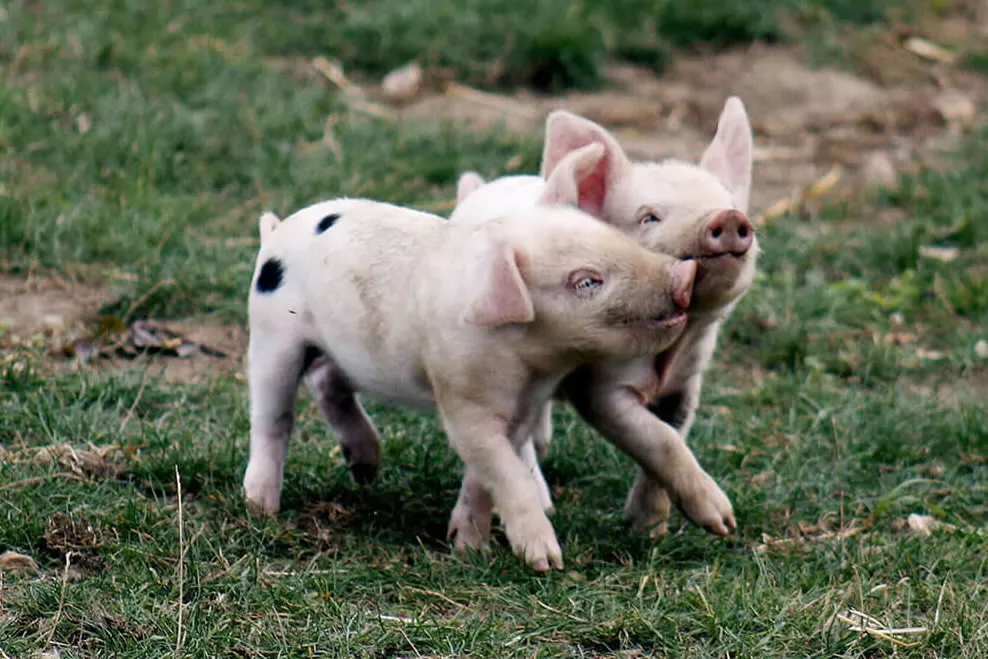 Photo: Gloucestershire Old Spot, via jimmysfarm.com
"People call them the 'Rolls-Royce of pork'," Jenkins explains, watching her breeding sows root contentedly through fallen apples. "But that misses the point. They're not luxury for luxury's sake — they're expressing what pork should taste like when pigs live as nature intended."
Jenkins' Old Spots live outdoors year-round, foraging for roots, nuts, and seasonal fruits that create complex flavours in the meat. The pork develops deep marbling and a sweet, nutty taste that reflects their varied diet. Her bacon — cured slowly using traditional methods — commands £12 per pound from London restaurants, but Jenkins struggles to meet demand.
The breed nearly vanished in the 1970s, down to fewer than 30 breeding animals. Today, thanks to dedicated farmers like Jenkins, Old Spots are recovering but remain classified as 'at risk' by the Rare Breeds Survival Trust.
Oxford Sandy and Black: The Plum Pudding Pig
Further north, in Oxfordshire's chalk downlands, Mark Thompson raises Oxford Sandy and Black pigs in the beech woods where the breed originated. Known historically as 'plum pudding pigs' for their distinctive colouring, these hardy animals were once common across southern England before disappearing almost entirely by the 1980s.
"They're designed for this landscape," Thompson says, leading visitors through dappled woodland where his pigs forage for beech mast and acorns. "Their colouring camouflages them under trees, their temperament suits outdoor living, and their genetics create meat with incredible depth of flavour."
Thompson's pigs take 12-18 months to reach slaughter weight — double the commercial standard — but the extended growing period allows complex flavours to develop. The meat has a darker colour and firmer texture than commercial pork, with a rich, gamey taste that reflects their woodland diet.
"When chefs first taste it, they can't believe it's pork," Thompson notes. "They're used to bland, soft meat that needs heavy seasoning. This has character that stands on its own."
Middle White: The London Porker's Return
In Kent's hop gardens, Emma Walsh champions the Middle White — a compact, snub-nosed breed once known as the 'London Porker' for its popularity in Victorian markets. Developed in the 1850s for small-scale urban production, Middle Whites nearly vanished as farming industrialised but are experiencing renewed interest from chefs seeking distinctive flavours.
"They're the perfect size for small-scale farming," Walsh explains, watching her pigs root through hop bines left from harvest. "Not too big for easy handling, incredibly hardy, and they produce the most marbled meat of any British breed."
Walsh's Middle Whites live in paddocks rotated through her organic farm, eating a diet of roots, vegetables, and seasonal produce that creates pork with exceptional marbling and sweet, complex flavours. The meat's high fat content makes it ideal for charcuterie and slow-cooking methods that showcase the breed's natural characteristics.
Restaurant demand far exceeds Walsh's production capacity, but expanding means compromising the extensive management that creates such distinctive flavours. It's a dilemma facing heritage breed producers across Britain.
Tamworth: The Bacon Pig Supreme
In the Scottish Borders, Alistair MacKenzie's Tamworth pigs roam extensive moorland paddocks where their ancestors foraged for centuries. Known as the 'bacon pig' for their lean, well-muscled carcasses, Tamworths are perhaps Britain's oldest pure breed, virtually unchanged since medieval times.
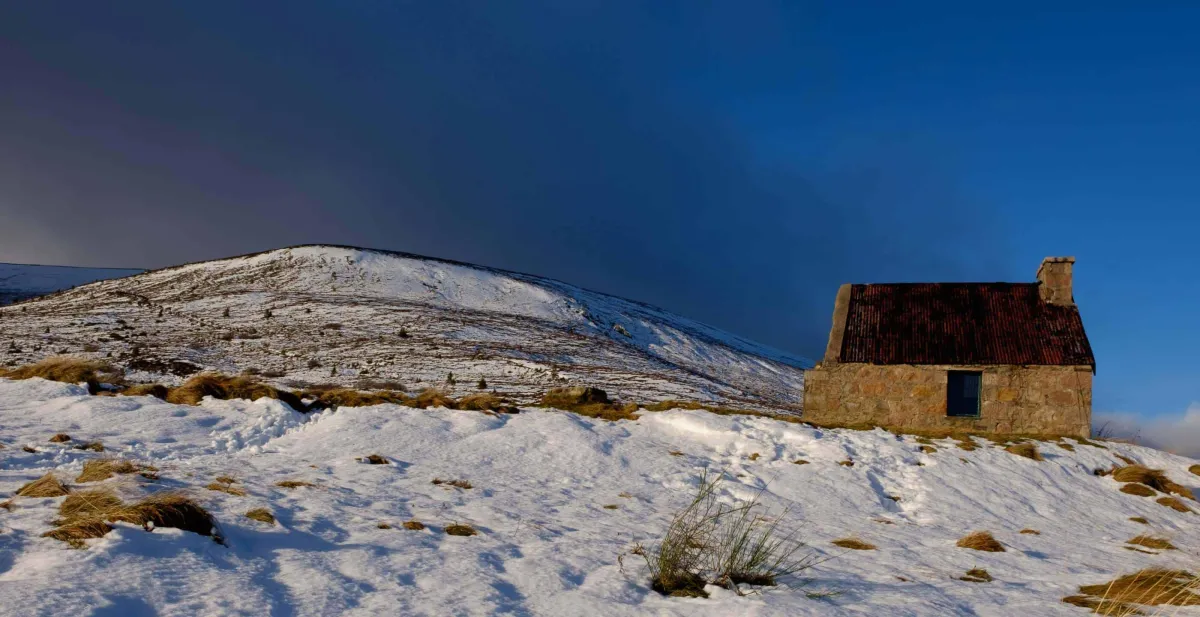 Photo: Scottish Borders, via www.historic-uk.com
"They're living archaeology," MacKenzie observes, watching his red-coated pigs work through rough pasture with characteristic determination. "These genetics survived because they produce exceptional bacon — lean but well-marbled, with a deep, savoury flavour that commercial breeds can't match."
MacKenzie's Tamworth bacon requires no artificial additives or flavour enhancers. The meat's natural characteristics — developed through outdoor living and varied diet — create complex tastes that reflect both genetics and environment. London's finest restaurants pay premium prices for his bacon, but MacKenzie sells most directly to customers who understand the difference quality makes.
Mangalitsa: The Wooly Pig's Hungarian Heritage
Perhaps most unusual among Britain's heritage pigs is the Mangalitsa — a curly-coated Hungarian breed introduced to British farms seeking the ultimate in pork quality. At his Devon smallholding, James Crawford raises these 'wooly pigs' in conditions that mirror their Eastern European origins.
"They're not technically British, but they represent what we've lost," Crawford explains, observing his Mangalitsas' distinctive curly fleeces. "Incredible hardiness, excellent foraging ability, and meat with marbling that rivals the finest beef."
Crawford's Mangalitsa pork develops extraordinary fat quality through slow growth and outdoor living. The meat has a rich, almost gamey flavour with fat that melts at low temperatures, creating succulent roasts and charcuterie that command extraordinary prices from discerning customers.
The Flavour Revolution
Across these diverse operations, common themes emerge. Heritage breeds raised extensively develop complex flavours that reflect their genetics, environment, and diet. The meat requires different cooking methods — lower temperatures, longer times, less aggressive seasoning — but rewards careful preparation with tastes that transform familiar dishes.
"It's not about nostalgia," insists Crawford. "It's about understanding that flavour comes from diversity — genetic diversity, environmental diversity, dietary diversity. Commercial farming eliminates all three in pursuit of efficiency."
For consumers willing to pay premium prices and source directly from farms, heritage pork offers flavours that supermarket shopping can never provide. It requires planning, patience, and a willingness to cook differently, but the rewards justify the effort.
As these dedicated farmers prove daily, the difference between good pork and extraordinary pork isn't just about breeding — it's about remembering that the best flavours come from animals that live well, grow slowly, and express their genetic heritage through every bite.