Britain's Secret Hedgerow Harvest: Six Wild Treasures That Built Our Countryside Kitchen
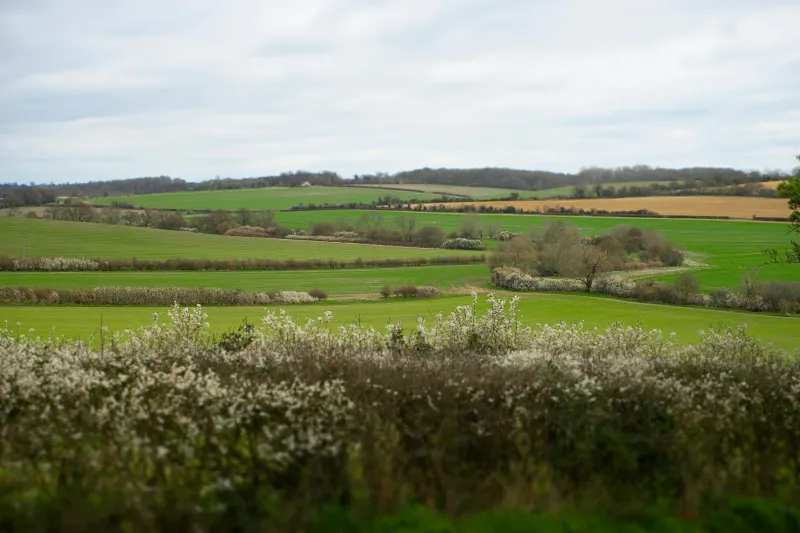
The Hedgerow Renaissance
Walk any British country lane in spring, and you're strolling through what was once the nation's most important grocery shop. For centuries, rural communities relied on wild greens that sprouted reliably from hedgerows, field margins, and woodland edges—a free harvest that sustained families through lean months and added vital nutrition to simple diets.
Today, a quiet revolution is stirring in Britain's kitchens as chefs, foragers, and home cooks rediscover these forgotten flavours. From Michelin-starred restaurants to village pubs, wild hedgerow greens are reclaiming their place on British plates, bringing with them stories of resilience, seasonality, and the deep knowledge our ancestors carried in their hands.
Fat Hen: The Poor Man's Spinach
Perhaps no plant better embodies Britain's forgotten food heritage than fat hen (Chenopodium album), a robust annual that thrives in disturbed soil and waste ground. Medieval peasants knew it as "melde," and archaeological evidence suggests it sustained British communities for over 4,000 years.
Fat hen's leaves taste like a cross between spinach and samphire, with a mineral richness that reflects the plant's ability to draw nutrients from poor soil. Unlike cultivated greens, fat hen actually improves in flavour as it matures, developing a nutty complexity that made it invaluable to cooks working with limited ingredients.
At The Lickfold Inn in West Sussex, chef Tom Sellers incorporates foraged fat hen into his seasonal menus, treating it with the respect once reserved for expensive imports. "Fat hen has this incredible ability to taste of the soil it grows in," Sellers explains. "When you eat it, you're tasting the specific terroir of our countryside—chalky downland, clay fields, limestone valleys. It's more local than local."
 Photo: The Lickfold Inn, via www.thoroughlymodernmilly.com
Modern foragers find fat hen throughout Britain's agricultural margins, where it grows as a volunteer crop alongside barley and wheat. The plant's seeds were once ground into flour during times of scarcity, providing protein-rich sustenance that helped rural families survive failed harvests.
Ground Elder: From Monastery Garden to Modern Plate
Roman legions brought ground elder (Aegopodium podagraria) to Britain, planting it around their settlements as both food and medicine. Medieval monks cultivated it in monastery gardens, valuing its reliable spring emergence and distinctive flavour—somewhere between celery and parsley with hints of anise.
Modern gardeners curse ground elder as an invasive weed, but historically-minded cooks are rediscovering its culinary potential. The young leaves make excellent soup, while mature stems can be blanched like asparagus. In Scotland's Borders region, traditional cooks still prepare "ground elder colcannon," mixing the wilted leaves with potatoes and cream.
At Inver Restaurant on Strangford Lough, chef Oisin Rogers sources ground elder from abandoned monastery sites around Northern Ireland. "There's something profound about cooking with plants that sustained monks 800 years ago," Rogers reflects. "These aren't just ingredients—they're living connections to our culinary past."
 Photo: Inver Restaurant, via www.lovefromscotland.co.uk
The plant's persistence in British gardens reflects its historical importance. Where you find established ground elder patches, you're often standing on sites of former cultivation—medieval homesteads, abandoned cottages, forgotten kitchen gardens where families once depended on its reliable spring growth.
Silverweed: The Famine Food That Saved Scotland
Silverweed (Potentilla anserina) grows in compacted soil along roadsides and pathways, its distinctive silver-backed leaves marking sites where people and animals have travelled for generations. Scottish Highlanders called it "brisgean," and its starchy roots provided crucial calories during the Highland Clearances and potato famines.
The plant's roots can be roasted, boiled, or ground into flour, with a flavour reminiscent of chestnuts or parsnips. Young leaves, harvested before the plant flowers, make a pleasant salad green with a slightly astringent finish that pairs beautifully with rich meats and game.
On the Isle of Skye, crofter and forager Fiona MacLeod teaches visitors to identify and prepare silverweed as their ancestors did. "My great-grandmother told stories of families surviving entire winters on silverweed roots and oatmeal," MacLeod explains. "It's humbling to cook with plants that literally kept our people alive."
 Photo: Isle of Skye, via inspiredbymaps.com
Modern research has revealed silverweed's impressive nutritional profile—high in vitamin C, potassium, and antioxidants. Its historical role as a famine food reflects not desperation but wisdom, as Highland communities recognised and cultivated a plant that thrived where crops failed.
Hawthorn: May Blossoms and Ancient Wisdom
Hawthorn (Crataegus monogyna) marks the British countryside like punctuation, its thorny hedges defining field boundaries and ancient rights of way. In spring, the tree's edible flowers and young leaves provided fresh greens when winter stores ran low, while autumn brought the ruby-red "haws" that added sweetness and vitamin C to simple diets.
Traditional British cooks used hawthorn flowers to flavour milk puddings and country wines, while the leaves made a pleasant tea with supposed heart-healthy properties. The berries, though seedy, could be cooked into jellies and sauces that accompanied game and preserved meat through winter months.
At Barton Court in Berkshire, head gardener Sarah Price maintains heritage hawthorn varieties specifically for culinary use. "These aren't ornamental trees," Price emphasises. "They're food plants that shaped the British landscape. When you see an ancient hawthorn, you're looking at a tree that fed generations."
Modern foragers prize hawthorn flowers for their delicate, almond-like fragrance. Michelin-starred chef Simon Rogan incorporates them into desserts at L'Enclume, creating modern interpretations of traditional May blossom custards and flower waters that once graced rural tables.
Nettle: The Universal Provider
Stinging nettle (Urtica dioica) needs no introduction to British countryside wanderers, but its role as a food plant has been largely forgotten. For centuries, nettles provided the first fresh greens of spring, emerging reliably in rich soil around farmyards and settlements where they thrived on nitrogen from animal waste.
Young nettle tops taste like a cross between spinach and watercress, with a mineral complexity that reflects their deep roots and efficient nutrient uptake. Traditional preparations included nettle soup, nettle beer, and nettle pudding—a savoury steamed dish that sustained rural families throughout spring and early summer.
In Yorkshire's Dales, traditional cook Mary Berry (not the celebrity baker) maintains her grandmother's nettle recipes at The George Inn in Hubberholme. "Nettle soup was our spring tonic," Berry explains, stirring a pot fragrant with wild garlic and fresh herbs. "After a winter of preserved foods, those first nettle leaves tasted like life itself."
Modern nutritional analysis confirms what country cooks always knew—nettles are powerhouses of vitamins A and C, iron, and protein. Their historical importance as "poor man's spinach" reflects not just availability but genuine nutritional value that helped sustain working families through demanding agricultural seasons.
Jack-by-the-Hedge: The Countryside Garlic
Garlic mustard (Alliaria petiolata), known colloquially as jack-by-the-hedge, grows in the partial shade of field boundaries and woodland edges throughout Britain. Its heart-shaped leaves provide a distinctive garlicky flavour that medieval cooks prized as seasoning for bland grain-based diets.
Unlike cultivated garlic, jack-by-the-hedge is available fresh for most of the growing season, with young leaves offering the mildest flavour and mature plants developing a more peppery bite. Traditional cooks used it in sauces for salt fish and preserved meats, while modern foragers incorporate it into pestos and salad mixes.
At River Cottage in Dorset, Hugh Fearnley-Whittingstall has championed jack-by-the-hedge as a gateway plant for nervous foragers. "It's almost impossible to misidentify, available everywhere, and instantly recognisable by its garlic scent," he explains. "If you're going to start foraging, this is where you begin."
The plant's common name reflects its preferred habitat—the "hedge" margins where cultivated land meets wild space. These transitional zones, once carefully managed by rural communities, provided reliable harvests of jack-by-the-hedge and other wild foods that supplemented domestic gardens and field crops.
Reclaiming Our Wild Heritage
This renaissance of hedgerow foraging represents more than culinary curiosity—it's a reconnection with landscape-based knowledge that sustained British communities for millennia. As climate change and food security concerns mount, these wild plants offer both practical nutrition and profound lessons about resilience, seasonality, and the abundance hiding in plain sight.
From restaurant kitchens to village allotments, a new generation of British cooks is learning that the finest ingredients often grow free beside our footpaths, waiting for eyes trained to see the feast that surrounds us. In rediscovering these wild treasures, we're not just expanding our palates—we're reclaiming our birthright as people of the land.