Spring's Hidden Feast: When Lambing Season Opens Britain's Most Forgotten Pantry
The Season That Fed a Nation
Across Britain's upland pastures, March signals more than just the arrival of spring—it announces the opening of what might be our most overlooked seasonal kitchen. While modern food culture fixates on the Easter lamb roast, generations of shepherding families knew that lambing season brought far richer culinary possibilities to the table.
In the stone farmhouses of Snowdonia and the fell farms of Cumbria, spring once meant sweetbreads sizzling in cast iron pans, slow-braised shoulders falling off the bone after hours in coal-fired ranges, and liver prepared in ways that would make any French chef envious. This was necessity cooking at its finest—when every part of the animal mattered, and when seasonal abundance had to stretch through leaner months ahead.
Beyond the Sunday Roast
Sarah Williams tends 400 Welsh Mountain ewes on her family's farm near Dolgellau, and she's part of a quiet revolution happening across Britain's sheep country. "My grandmother never threw anything away during lambing," she explains, rolling out pastry for what she calls 'shepherd's parcels'—delicate packages filled with kidneys, heart, and herbs that her family has prepared for four generations.
"People today think lamb means leg or shoulder, maybe chops if they're feeling adventurous," Williams continues, seasoning a pan of sweetbreads destined for the morning's breakfast. "But lambing season was when we ate like kings—if you knew what you were doing."
The practice makes perfect sense when viewed through the lens of traditional farm economics. Spring losses were inevitable, whether through difficult births, predation, or the simple mathematics of a harsh season. Rather than waste, shepherding families developed an intricate culinary knowledge that transformed every part of these animals into sustaining meals.
The Lake District Renaissance
Three hundred miles north, James Morrison runs a 200-acre farm in the Langdale Valley where Herdwick sheep have grazed for centuries. His approach to spring lamb cookery would be recognisable to shepherds from Wordsworth's era, but his customers are thoroughly modern—chefs from Manchester and Liverpool who drive up the M6 seeking ingredients they can't find anywhere else.
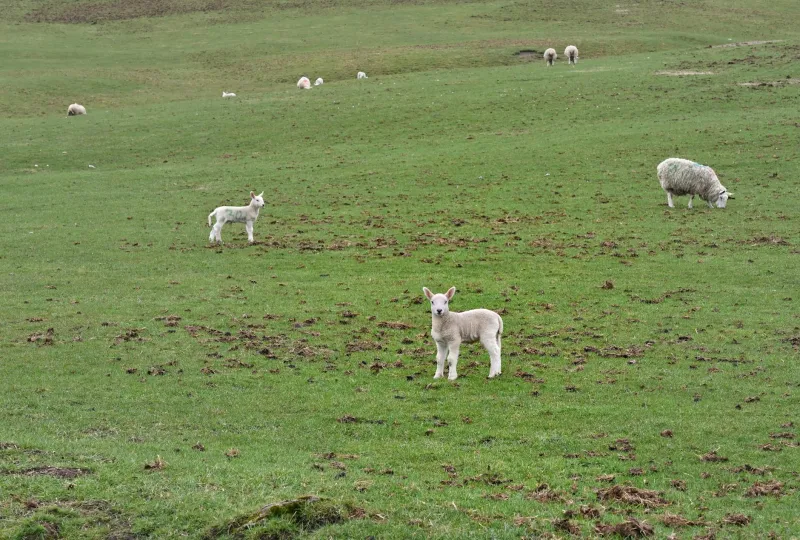
 Photo: Langdale Valley, via i.ytimg.com
"The liver from a spring lamb that's been on fell grass—there's nothing like it," Morrison explains, wrapping paper-thin slices around wild garlic gathered from the farm's woodland edges. "But it has to be cooked within hours, not days. That's why this knowledge nearly died out."
Morrison's 'lambing boxes' have become legendary among northern chefs: carefully curated selections that might include rose-pink kidneys, pearl-white sweetbreads, and cuts like the 'shepherd's purse'—a pocket of meat from the animal's neck that cooks into silk-textured morsels when braised slowly with root vegetables.
The Art of Seasonal Timing
What separates spring lamb cookery from the year-round availability of modern meat is its absolute dependence on timing. The sweetbreads that Williams prizes so highly lose their delicate texture within 48 hours of harvest. The liver that Morrison's chef customers covet must be cooked the same day it's prepared, preferably within hours.
This temporal urgency explains why lambing season cookery developed such regional variations. In the Welsh hills, slow-cooked shoulder preparations dominated—dishes that could simmer unattended while shepherds worked the high pastures. Lake District farmers developed faster techniques suited to fell farming's demanding schedule: kidneys split and grilled over open fires, liver seared quickly in butter and finished with early nettle tops.
Rediscovering Lost Techniques
The revival of these techniques isn't just culinary nostalgia—it's practical farming making economic sense. Williams calculates that her nose-to-tail approach to spring losses adds nearly £300 per animal to her bottom line, money that helps keep her hill farm viable in an increasingly challenging agricultural economy.
"A chef in Cardiff will pay £15 for sweetbreads that would have been dog food twenty years ago," she notes, packaging an order destined for a restaurant that's built its reputation on forgotten British ingredients. "But it's not just about the money—it's about remembering who we were."
The knowledge transfer is happening through informal networks that mirror the way this cookery originally spread. Williams teaches neighbouring farmers' wives, Morrison runs occasional workshops for chefs, and both share techniques through social media channels that connect Britain's scattered shepherding communities.
The Future of Spring's Feast
As British food culture continues its long journey back toward seasonal eating and regional identity, lambing season cookery represents something more significant than culinary revival—it's a reconnection with the rhythms that once governed rural life.
The techniques these farmer-cooks are preserving represent thousands of years of accumulated knowledge about making the most of what the land provides, when it provides it. In a world increasingly disconnected from seasonal realities, the shepherds who still eat by spring's calendar offer lessons that extend far beyond the kitchen.
For those willing to seek out these flavours—whether through farm shops that still operate by seasonal availability or restaurants brave enough to build menus around what's actually ready rather than what's always available—spring's hidden feast remains one of British food culture's best-kept secrets. The lambing larder is opening once again, if we're wise enough to pay attention.