Woven Waters: How Somerset's Last Basketmakers Keep Ancient Fish Traps Flowing
The Whisper of Withies
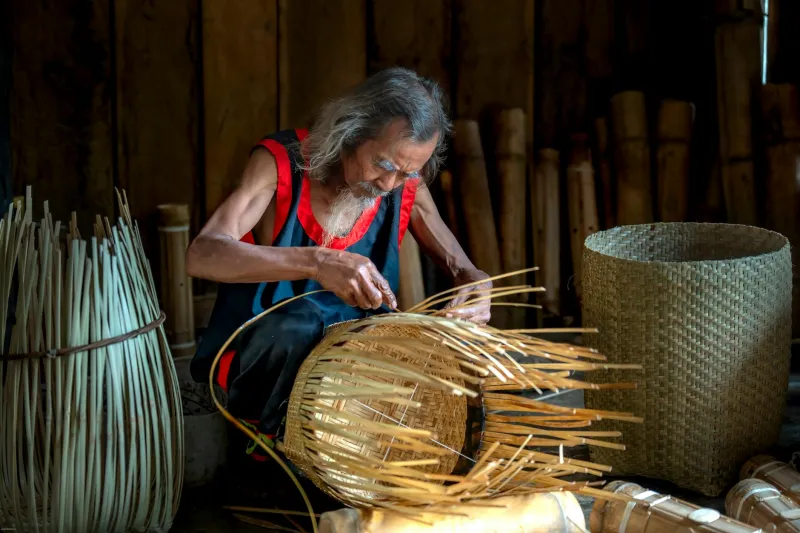
In a workshop tucked between the rhynes and moors of the Somerset Levels, eighty-two-year-old Arthur Dunning's weathered hands move through a rhythm older than memory. The golden willow rods—withies, as they're known locally—bend and weave beneath his touch, forming the intricate funnel of a putcher, one of the traditional eel traps that once dotted every waterway from the Bristol Channel to the heart of Somerset.
 Photo: Arthur Dunning, via hips.hearstapps.com
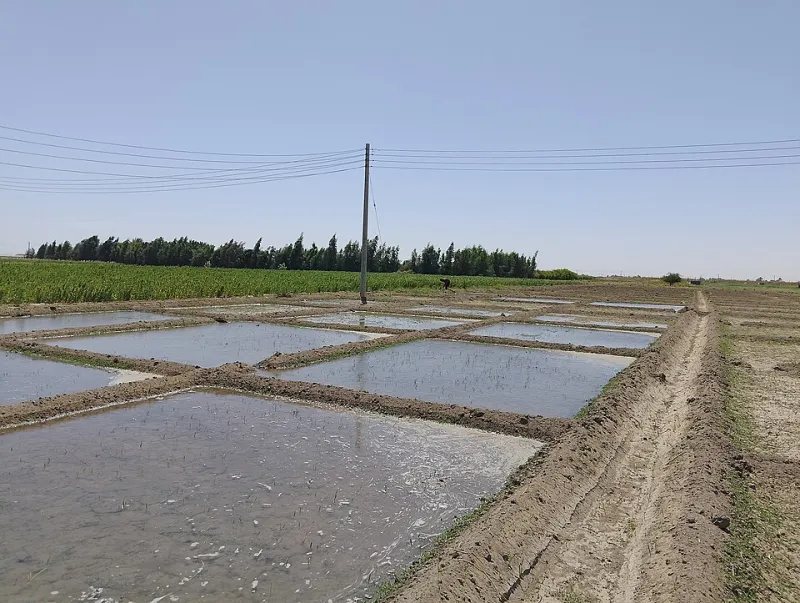
 Photo: Somerset Levels, via arabgt.com
"My grandfather could weave a dozen of these before breakfast," Arthur tells me, his fingers never pausing in their ancient dance. "Every farm had its traps, every family knew the water's secrets."
Today, Arthur is one of perhaps three craftspeople in Somerset who still possess the complete knowledge of traditional fish trap construction. It's a sobering thought when you consider that these woven vessels once formed the backbone of an entire wetland economy.
The Lost Language of Water
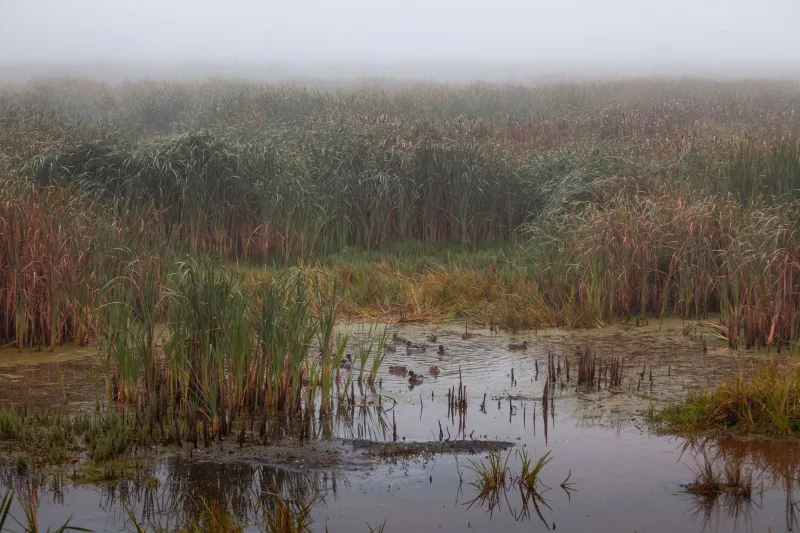
The Somerset Levels have always been a place where water dictates life's rhythm. For centuries, the annual flooding cycle shaped not just agriculture but an entire fishing culture built around the movement of eels, roach, and pike through the network of artificial waterways called rhynes.
The putcher—derived from the Welsh 'pucher', meaning pouch—represents the pinnacle of this water-based craft. Woven from willow grown in the same wetlands where it would be deployed, each trap embodied a perfect marriage of local materials and intimate water knowledge.
"You had to understand the fish as well as the basket," explains Dr. Sarah Whitmore, an environmental historian at the University of Exeter who has spent years documenting Somerset's fishing traditions. "The angle of the funnel, the spacing of the weave, even the choice of which year's willow to use—it all mattered."
The traps worked on elegant simplicity. Fish swimming upstream would enter the wide mouth of the funnel but find themselves unable to navigate back out through the narrow throat. A skilled trapper could read the water like text, positioning putchers to intercept seasonal migrations with surgical precision.
The Rhythm of Seasons
The putcher trade followed nature's calendar with religious devotion. Spring brought the rush to harvest last year's willow growth—always cut during the dormant season when sap ran low. The rods would be sorted by thickness and flexibility, with the finest reserved for the trap's crucial throat section.
Summer meant weaving season. Entire families would gather in workshops and barns, the air thick with the green scent of fresh willow and the constant chatter of work songs passed down through generations. Children learned the craft at their mothers' knees, small fingers perfect for threading the tightest weaves.
Autumn brought deployment. As waters cooled and eels began their mysterious migrations, trappers would wade into the rhynes with dozens of fresh putchers, positioning them at carefully guarded locations where experience promised the richest harvests.
Winter was harvest time—and accounting time. The finest eels would be smoked in purpose-built houses dotting the Levels, while lesser fish found their way to local markets. A successful trapper could support an entire family from the seasonal bounty of Somerset's waters.
The Ecology of Craft
What made the putcher trade truly remarkable was its complete integration with the Levels' ecology. The willow beds that supplied the raw material also provided crucial wildlife habitat and natural flood management. The sustainable harvesting of willow encouraged new growth, creating a constantly renewing resource.
"It was a closed-loop system," notes conservation ecologist Tom Bradley, who works with Natural England on Levels restoration projects. "The basketmakers needed healthy waterways for fish, the fish needed diverse habitat that the willow beds provided, and the willow needed careful management that the harvest cycle delivered."
This symbiotic relationship created landscapes of extraordinary biodiversity. The traditional willow beds, with their regular cutting cycles and water margins, supported everything from bitterns to water voles. The fishing pressure was distributed and seasonal, allowing fish populations to maintain healthy numbers while still providing reliable harvests.
Threads of Revival
Today, a small but passionate group of makers, ecologists, and food enthusiasts are working to prevent the complete extinction of Somerset's basketry traditions. At the Willows and Wetlands Centre near Stoke St Gregory, master basketmaker Felicity Irons runs courses that attract students from across Britain and beyond.
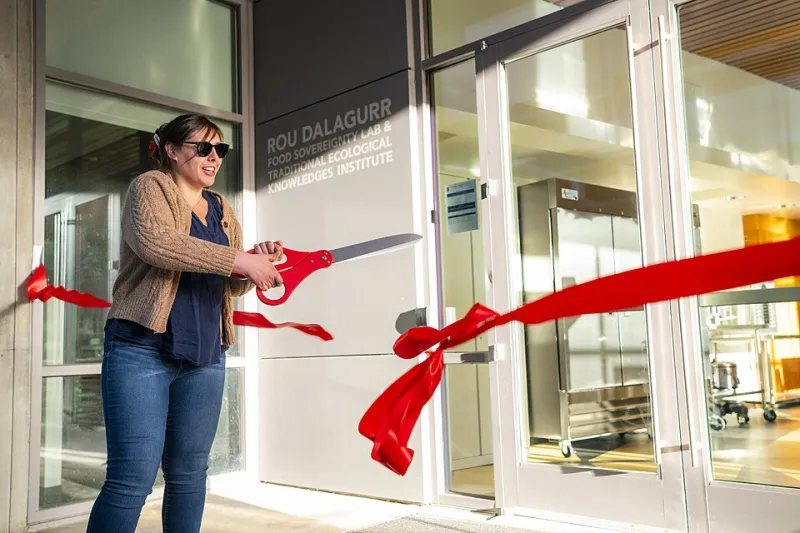
 Photo: Willows and Wetlands Centre, via ausmalbilder365.de
"People arrive thinking they want to learn basketry," Felicity explains as she demonstrates the precise tension needed for a putcher's throat. "They leave understanding they've touched something much deeper—a way of living that saw no separation between craft, ecology, and sustenance."
Several of her former students have established small workshops of their own, weaving everything from traditional putchers to contemporary sculptures that echo ancient forms. While few are attempting to revive commercial fishing with traditional traps, the knowledge they preserve may prove crucial as Britain seeks more sustainable relationships with its waterways.
The Future in Ancient Hands
Back in Arthur Dunning's workshop, the conversation turns to legacy. His grandson shows interest in the craft, but the economic realities are stark. Traditional basketry requires years to master and offers little financial reward in a world of mass-produced alternatives.
"But money isn't everything," Arthur reflects, holding up a completed putcher that seems to glow in the afternoon light filtering through his workshop windows. "This basket knows things—about water, about fish, about living with the land instead of fighting it. That knowledge might be worth more than we realise."
As climate change and environmental degradation challenge our modern relationship with the natural world, the wisdom embedded in Somerset's willow craft offers intriguing possibilities. The putcher represents more than nostalgia—it embodies a sophisticated understanding of sustainable resource use that our ancestors took for granted.
Whether that wisdom can find new expression in contemporary Britain remains to be seen. But as long as craftspeople like Arthur continue their patient work, weaving water and willow into forms that speak of deeper truths, the conversation between past and future continues.
The withies whisper still, for those with ears to hear.