Marsh Guardians: How Ancient Cattle Breeds Keep Britain's Wetlands Wild
Where Water Meets Pasture
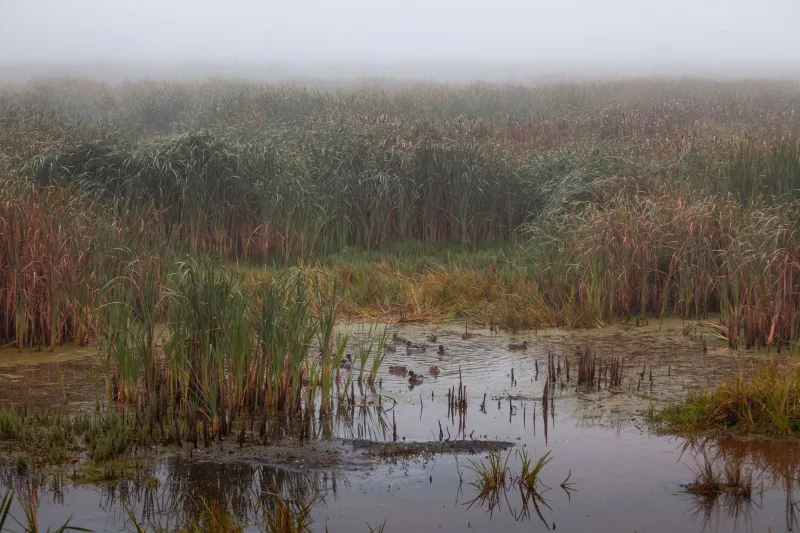
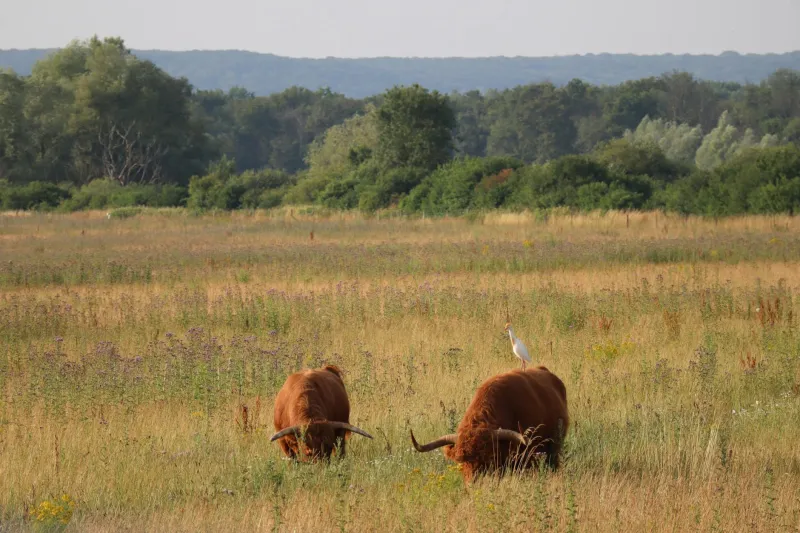
The morning mist rises from Wicken Fen like smoke from some primordial fire, and through it move shapes that seem to belong to another age. Highland cattle, their russet coats beaded with dew, wade belly-deep through sedge beds that stretch to the horizon. Their presence here, in this fragment of ancient fenland, represents more than picturesque grazing—it's conservation in action.
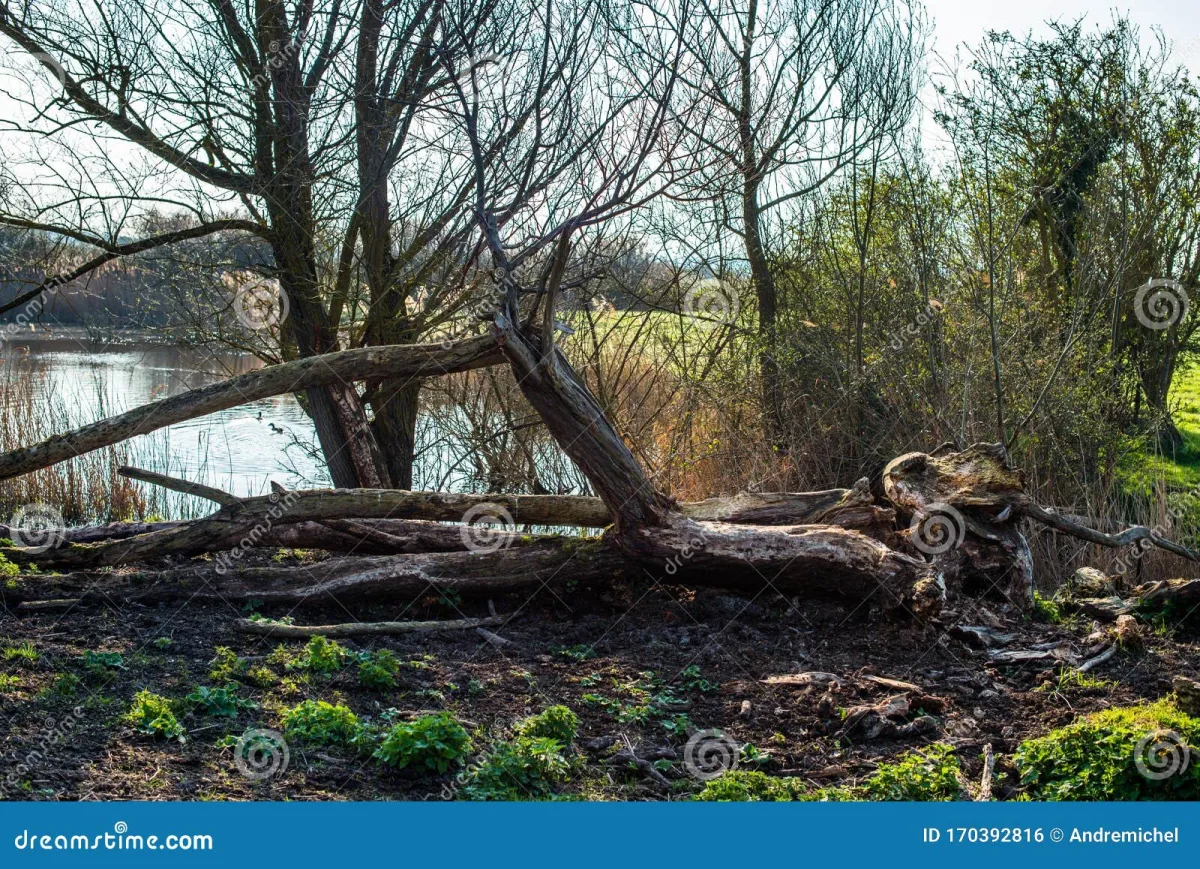 Photo: Wicken Fen, via thumbs.dreamstime.com
"People see the cattle and think we're farming," says Dr. Emma Rothwell, the National Trust's wetland ecologist for Cambridgeshire. "But these animals are our most effective conservation tool. They're doing work that no machine could replicate."
Across Britain's surviving wetlands, native cattle breeds are quietly revolutionising habitat management. From belted Galloways on the Somerset Levels to hardy Welsh Blacks in Anglesey's coastal marshes, these animals serve as living lawnmowers, ecosystem engineers, and guardians of biodiversity that intensive agriculture pushed to the brink.
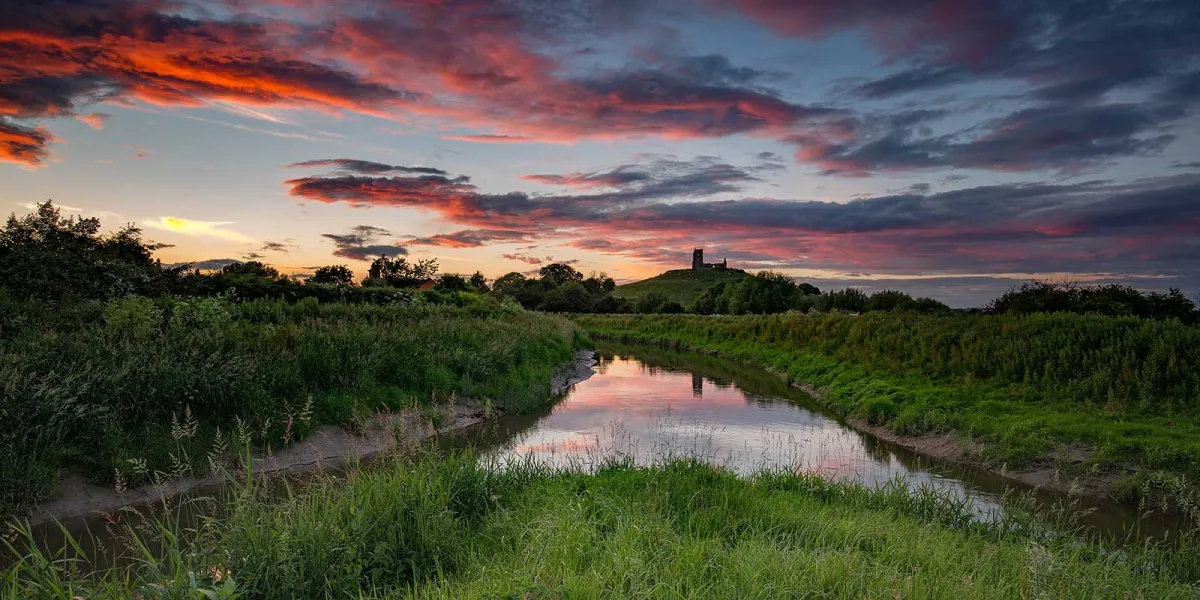 Photo: Somerset Levels, via www.wildlifeworldwide.com
The Fen Tigers' Return
Wicken Fen represents Britain's last glimpse of the Great Fen—that vast wetland wilderness that once covered 3,900 square kilometres of eastern England. Drained for agriculture over centuries, today's remnant covers barely 730 hectares. Yet within this precious fragment, Highland cattle are helping to recreate landscapes that vanished before living memory.
"The Highlands are perfect for this work," explains Martin Lester, who manages the Trust's grazing programme. "They're not fazed by wet ground or thick vegetation. Where other cattle would struggle, they thrive."
The cattle's impact extends far beyond simple grass cutting. Their hooves create the micro-topography that wetland plants require—small pools, raised tufts, varied moisture levels. Their dung supports insect communities that feed countless bird species. Their selective grazing prevents scrubland from overwhelming delicate marsh plants.
"It's about creating a mosaic," Martin continues, watching a young bull investigate a patch of marsh orchids. "Different heights of vegetation, wet areas next to dry ones, open spaces alongside dense cover. The cattle naturally create this diversity."
The results speak for themselves. Bitterns, absent from Wicken for decades, returned after grazing began. Rare butterflies flourish in the varied habitat the cattle create. Plant species thought locally extinct have reappeared, their seeds perhaps carried in the animals' coats or germinating from long-dormant soil banks.
Somerset's Liquid Landscape
Two hundred miles southwest, the Somerset Levels present a different wetland challenge. This vast expanse of moor and marsh, drained by centuries of human intervention, floods regularly each winter. For most livestock, such conditions spell disaster. For the right cattle breeds, they represent opportunity.
"The Levels have always been cattle country," says James Winslade, whose family has farmed here for five generations. "But not any cattle—you need animals that can handle the wet, the mud, the seasonal flooding."
James runs a mixed herd of native breeds: belted Galloways, Devon Reds, and English Longhorns. Each autumn, as flood waters rise, the cattle retreat to higher ground. Come spring, they return to graze the renewed marsh vegetation, their presence shaping habitat that supports everything from lapwings to water voles.
"The old breeds know this land," James observes, watching his Galloways navigate a maze of drainage ditches with casual expertise. "They read the ground, understand the seasons. Modern commercial cattle would be useless here."
The conservation benefits extend beyond the obvious. The cattle's grazing creates the short sward that wading birds need for feeding. Their trampling opens up dense vegetation, allowing light to reach water surfaces where aquatic plants can flourish. Their very presence deters the scrub invasion that would otherwise transform open wetland into impenetrable thicket.
Norfolk's Floating Pastures
In the Norfolk Broads, a different story unfolds on Hickling Broad's grazing marshes. Here, where fresh water meets salt marsh, Highland cattle work alongside Konik horses to manage some of Britain's most complex wetland habitats.
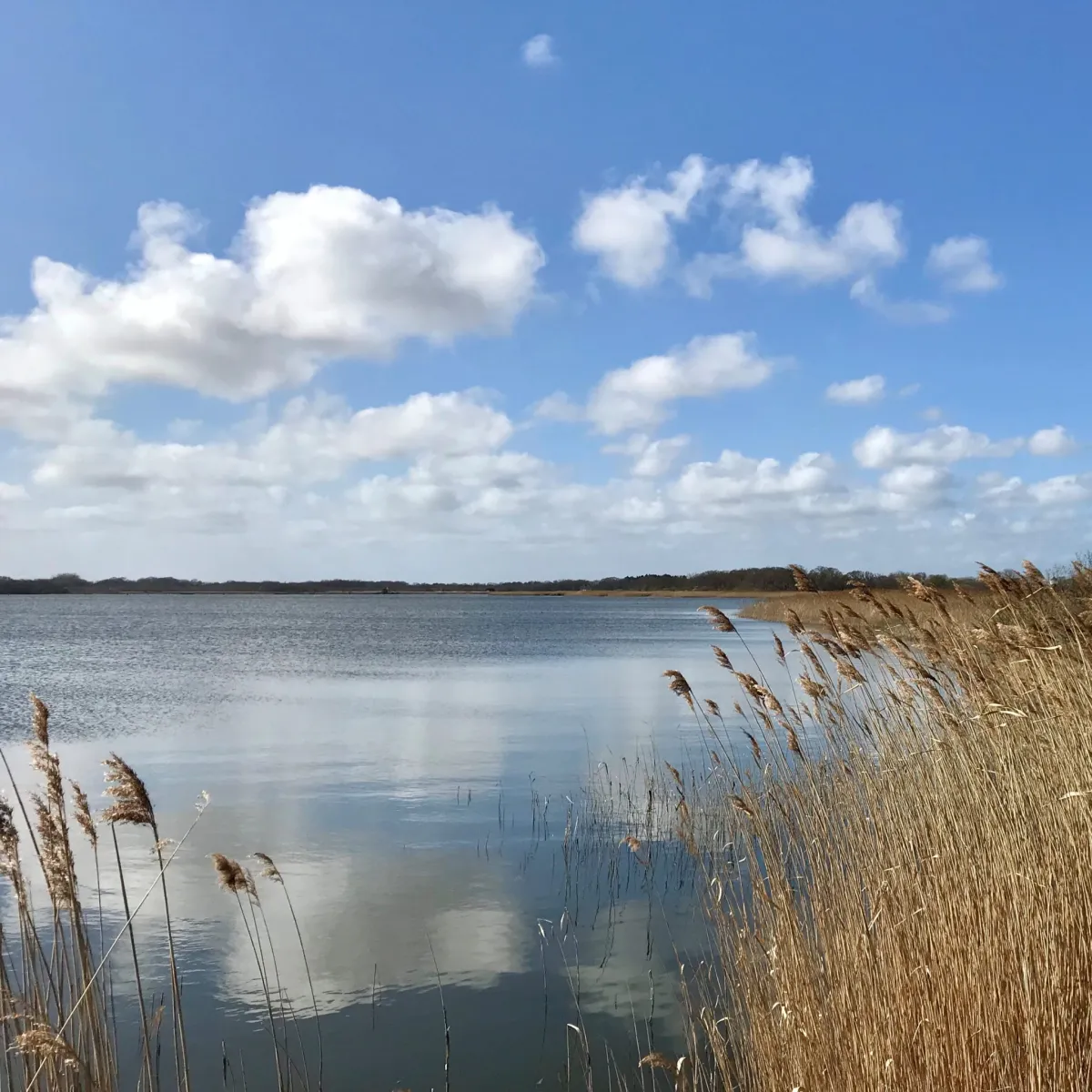 Photo: Norfolk Broads, via www.coolplacesbritain.com
"The Broads are neither fully freshwater nor truly marine," explains Sarah Peck, Norfolk Wildlife Trust's reserves manager. "They're something in between, and that creates unique challenges and opportunities."
The cattle here face conditions that would challenge any livestock: fluctuating water levels, salt-laden winds, vegetation that ranges from sweet grass to tough sedges. Yet the Highlands thrive, their hardy constitutions perfectly suited to this demanding environment.
"They eat what other animals won't touch," Sarah notes, pointing to a group methodically working through a stand of purple moor grass. "That's crucial here, because without grazing pressure, these marshes would quickly become reed beds, then scrubland, then woodland. The whole ecosystem would collapse."
The cattle's work here supports an extraordinary array of wildlife. Marsh harriers nest in reed beds that the animals keep from becoming too dense. Bearded tits feed on insects disturbed by grazing hooves. Rare plants like marsh orchids and southern marsh orchid flourish in the varied conditions the cattle create.
More Than Conservation
Yet these wetland cattle serve purposes beyond habitat management. Their meat, raised on wild pastures and finished on native vegetation, carries flavours that intensive farming cannot replicate.
"The taste is completely different," says chef Rebecca Massey, whose Norfolk restaurant specialises in locally sourced ingredients. "Meat from cattle that graze salt marsh has this mineral complexity, this depth of flavour. You can taste the landscape."
The economic argument for wetland grazing extends beyond premium prices for distinctive meat. These cattle require minimal inputs—no housed feeding, no expensive veterinary interventions, no fossil fuel-dependent machinery. They work year-round, managing landscapes at costs that conventional conservation methods cannot match.
"It's the ultimate sustainable system," argues agricultural economist Dr. Robert Hayes. "The cattle pay for their own conservation work through meat sales. The land improves while producing food. It's what farming looked like before we forgot how to work with nature."
Challenges in Paradise
Yet wetland grazing faces significant challenges. Climate change brings more extreme weather—longer droughts followed by devastating floods. Agricultural policies designed for intensive farming often penalise extensive systems. Consumer preferences favour cheap, uniform meat over flavourful but expensive alternatives.
"The biggest challenge is scale," admits Emma Rothwell. "We're managing fragments of what once covered vast areas. Isolated reserves can't support the full range of species that once thrived here."
New initiatives address this limitation through landscape-scale thinking. The Great Fen Project aims to connect Wicken Fen with other reserves, creating wildlife corridors across thousands of hectares. Similar schemes in Somerset and Norfolk link isolated wetlands through strategic grazing management.
"We're rebuilding ecosystems piece by piece," Emma explains. "Each new grazing area, each restored wetland, adds to the whole. The cattle are our partners in this work."
Lessons from the Marsh
As evening settles over Wicken Fen, the Highland cattle gather in loose groups, their day's conservation work complete. Tomorrow they'll continue their patient transformation of this ancient landscape, one mouthful of vegetation at a time.
Their story—repeated across Britain's surviving wetlands—offers profound lessons about working with rather than against natural systems. These cattle don't just tolerate challenging conditions; they thrive in them, creating benefits that extend far beyond simple meat production.
"This is farming's future," reflects Martin Lester, watching the last light fade over the fen. "Not fighting the land, but partnering with it. Not seeing cattle as production units, but as ecosystem managers. The old breeds knew this instinctively. We're finally remembering."
In an age of climate crisis and biodiversity collapse, these marsh guardians offer hope. They prove that agriculture and conservation need not be enemies, that ancient breeds can serve modern purposes, that sometimes the oldest solutions remain the best ones. As Britain's wetlands slowly recover under their patient care, these cattle write a different story about our relationship with the land—one measured not in yields per hectare, but in the return of birdsong to silent marshes.