Hooks, Lines, and Fading Tides: The Yorkshire Coast's Final Cod Guardians
Salt in Their Veins
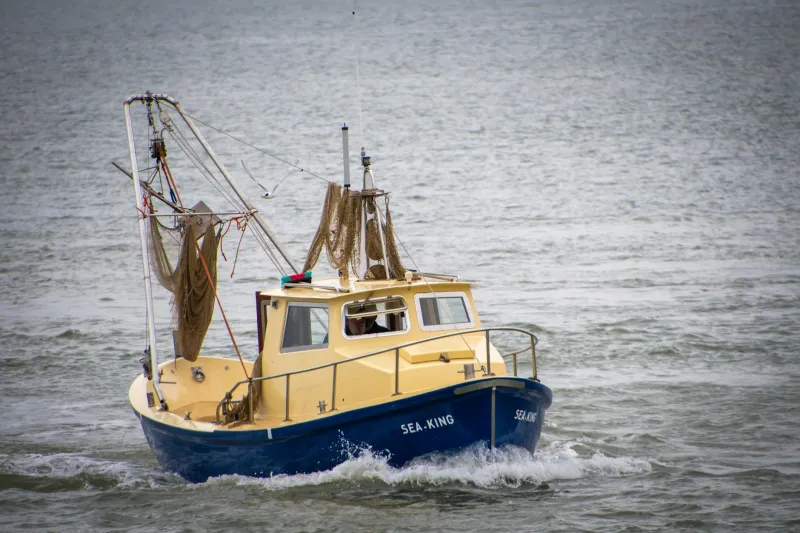
The alarm sounds at four in the morning, but Tommy Hargreaves has been awake for twenty minutes already. At sixty-three, his body knows the rhythm of the tides better than any clock. From his cottage window in Bridlington, he can see the harbour lights flickering against the pre-dawn darkness, and beyond them, the North Sea stretching endlessly towards Denmark.
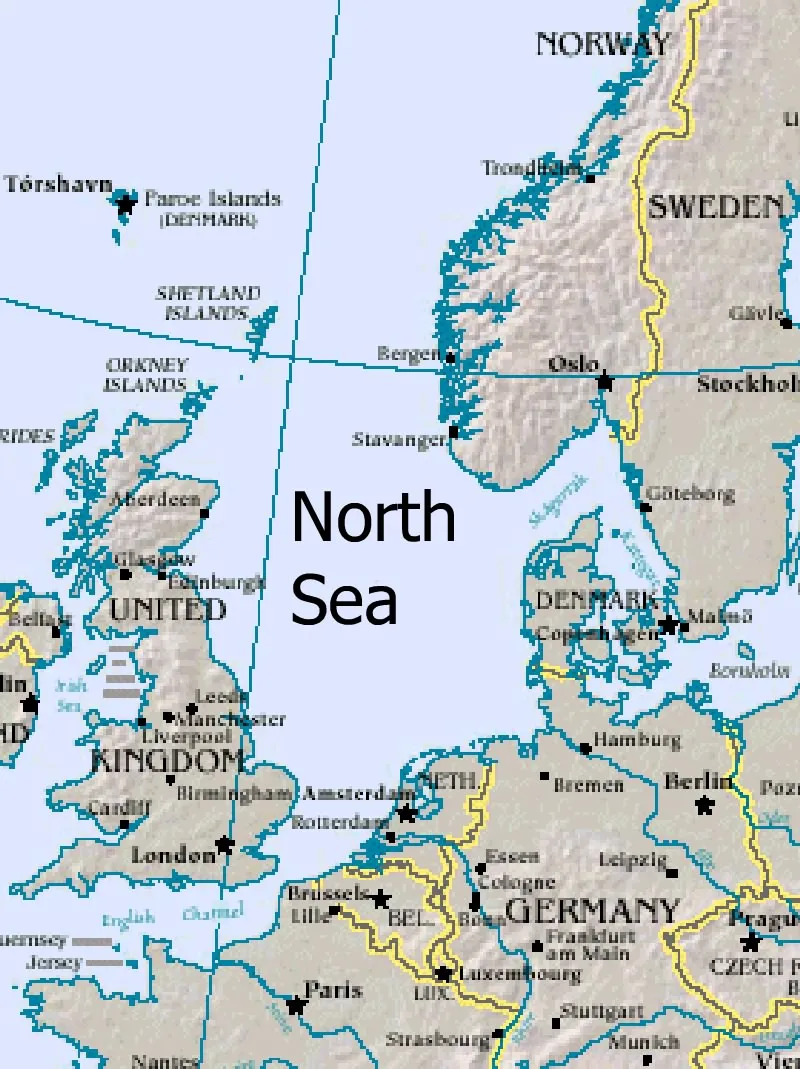 Photo: North Sea, via images.rigzone.com
Tommy is one of perhaps thirty fishermen left along the Yorkshire and Lincolnshire coasts who still work the traditional longlines for cod. Where once hundreds of small boats dotted these waters, now you can count the remaining vessels on two hands. Yet what these men do—and how they do it—represents something precious that Britain is quietly losing.
"My grandfather worked these same waters," Tommy says, checking his weather app one final time before heading to the harbour. "Different boat, same methods. The fish know the difference between a longline and a trawl net, I reckon. They trust us more."
The Gentle Art of Longlining
Longlining is fishing distilled to its essence. A main line, sometimes stretching two miles, carries hundreds of baited hooks spaced at regular intervals. Unlike trawling, which drags nets through the water column, longlines sit on or near the seabed, waiting patiently for fish to find them.
The technique demands intimate knowledge of local waters—where the cod feed, how the currents run, which marks on the horizon align with productive fishing grounds. It's a craft passed down through generations, encoded in the muscle memory of men who've spent their lives reading the sea's moods.
"You can't just drop a longline anywhere," explains Martin Jessop, who works out of Grimsby. "The seabed needs to be right—not too rocky, not too muddy. The tide has to be running just so. And you need to know where the fish are moving with the seasons."
The environmental credentials are impeccable. Bycatch—the unwanted species caught alongside target fish—is minimal. The seabed remains undisturbed, unlike the ploughed furrows left by trawl nets. Fish caught on hooks are in prime condition, commanding higher prices from buyers who understand quality.
Yet these advantages count for little in a market driven by volume and price.
Battles on Multiple Fronts
The challenges facing Britain's longline fishermen read like a litany of modern maritime woes. Cod stocks, decimated by decades of industrial fishing, remain at historically low levels despite recent signs of recovery. EU-derived quota systems, designed for large-scale operations, often leave small boats with allocations measured in dozens of fish rather than tonnes.
"I'm allowed to land maybe fifty cod a month," says Derek Whitfield, whose small boat operates from Filey. "That's barely enough to cover fuel costs, never mind making a living. Meanwhile, the supermarkets want cheap fish, and they don't care if it comes from a factory ship or a traditional boat."
The economics are brutal. A longliner might spend twelve hours at sea to land two stone of prime cod. A trawler can fill its hold in the same time, even if much of the catch is inferior quality. When processors pay by weight rather than condition, the careful work of the longline fisherman becomes an expensive luxury.
Climate change adds another layer of uncertainty. Cod are cold-water fish, and as the North Sea warms, they're moving northward into Scottish and Norwegian waters. The reliable fishing marks that sustained generations of Yorkshire fishermen are yielding fewer fish each year.
More Than Just Fish
Yet these men persist, driven by something deeper than mere economics. They're the keepers of knowledge that took centuries to accumulate—understanding of seasonal movements, weather patterns, and the subtle signs that separate good fishing days from wasted fuel.
"When I retire, that's it," admits Tommy, sorting through his tackle box with practiced efficiency. "My son's got a proper job, works in Leeds. Can't blame him. But all this"—he gestures towards the harbour, the boats, the endless sea—"it goes with me."
The loss extends beyond tradition. Modern fisheries science increasingly recognises that small-scale, low-impact fishing methods like longlining could play a crucial role in sustainable stock management. These fishermen don't just catch cod; they observe them, learning patterns that no research vessel can match.
A Different Kind of Catch
As Tommy's boat, the Mary Catherine, chugs towards his chosen fishing ground, he points out landmarks invisible to untrained eyes. A church spire aligned with a radio mast marks one productive spot. The colour of the water, the behaviour of seabirds, the direction of the wind—all feed into decisions made by instinct as much as knowledge.
"People think fishing is just chucking hooks in the water," he says, checking his GPS against mental landmarks. "But we're reading the sea like a book. Every day teaches you something new."
The longlines go over the side with mechanical precision, each hook baited with lugworms dug from local beaches. Then comes the waiting—the patient hours when the sea decides whether to reward or disappoint.
When the lines come back, the catch is modest but perfect: a dozen cod, bright-eyed and firm-fleshed, alongside a few whiting and the occasional surprise. No damaged fish, no unwanted species to throw back dead.
Fighting the Tide
Back in harbour, Tommy's catch disappears quickly to local restaurants and fishmongers who understand its value. But such appreciation is rare. Most consumers, divorced from the sea's realities, see only price tags in supermarket chillers.
"We need people to understand what they're buying," argues Sarah Middleton, who runs a campaign supporting small-scale fishermen. "When you choose longline-caught cod, you're voting for sustainable fishing, for traditional skills, for coastal communities. But that choice has to be available first."
Some chefs are listening. A growing movement celebrates day-boat fish, caught by traditional methods and landed within hours. These pioneers charge premium prices but deliver unmatched quality, creating a market niche where longliners can compete.
Policy makers, too, are beginning to recognise small-scale fishing's potential. New quota allocation systems could favour low-impact methods, while direct sales from boat to consumer bypass the industrial supply chain entirely.
The Last Cast
As the sun sets over Bridlington harbour, Tommy secures his boat for another night. Tomorrow, if the weather holds, he'll be back on the water, continuing a conversation with the sea that began before recorded history.
His story—repeated in harbours from Scarborough to Skegness—represents more than nostalgic tradition. These final practitioners of longlining embody principles that could guide Britain's fishing future: sustainability over scale, quality over quantity, knowledge over technology.
The question isn't whether these methods deserve to survive. It's whether we're wise enough to let them.