Buried Gold: What Scotland's Ancient Bog Butter Teaches Modern Cheesemakers About Time and Taste
Treasures from the Peat
When archaeologist Dr. Fraser MacLeod first glimpsed the wooden cask emerging from a Highland peat bog near Inverness, he expected another routine medieval find. What he discovered instead would revolutionise our understanding of how our ancestors preserved and transformed dairy products—and inspire a new generation of British cheesemakers to embrace the patient alchemy of time.
Inside that thousand-year-old birch bark container lay thirty pounds of bog butter, preserved in the peat's anaerobic embrace and still recognisably dairy after a millennium underground. The discovery, made in 2019, joined dozens of similar finds across Scotland and Ireland, each one a time capsule revealing the sophisticated preservation techniques of early pastoral communities.
"The first thing that strikes you is the smell," Dr. MacLeod recalls, carefully unwrapping a sample in his Edinburgh laboratory. "Not rancid, as you might expect, but intensely savoury—almost cheese-like. These weren't accidents or emergency stores. This was deliberate food technology."
The Cold Logic of the Bog
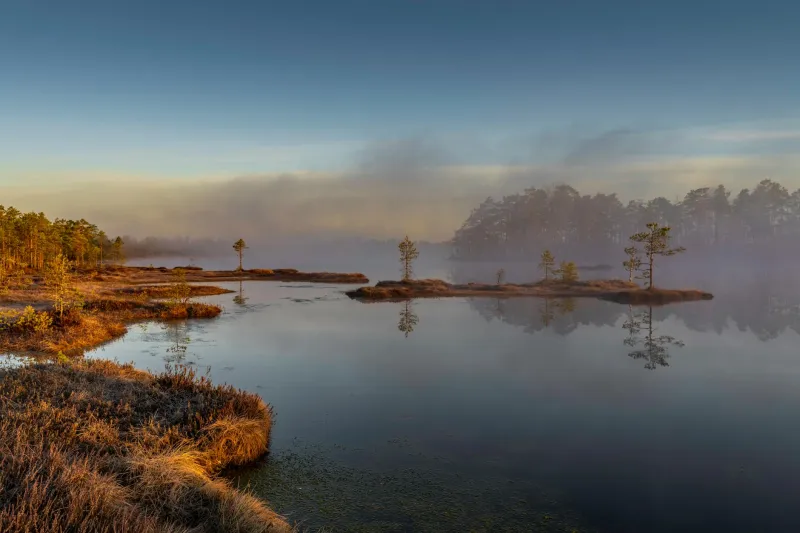
Scotland's peatlands, formed over millennia from compressed sphagnum moss and organic matter, create natural refrigeration systems that ancient communities understood and exploited. The bog's acidic, oxygen-free environment halts bacterial decomposition while encouraging specific fermentation processes that transform rather than destroy.
"Peat bogs maintain constant temperatures of 4-6°C year-round," explains Dr. Sarah Blackwood, a food scientist at the University of Glasgow who has spent five years analysing bog butter samples. "Combined with the low pH and lack of oxygen, you have perfect conditions for controlled fermentation—essentially natural cave aging without the cave."
 Photo: University of Glasgow, via shop.fhs-schaardt.de
Radiocarbon dating of bog butter finds reveals a practice spanning centuries, with the oldest confirmed samples dating to the Iron Age. The consistency of the technique across such vast time periods suggests not desperate food storage but sophisticated culinary tradition.
Analysis of the butter's molecular structure reveals fascinating transformations. The original milk fats undergo complex chemical changes, developing flavour compounds typically associated with aged cheeses. Lactose ferments into lactic acid, while proteins break down into amino acids that create umami-rich flavours unknown in fresh dairy products.
Lessons from the Laboratory
Modern analysis of bog butter samples has revealed preservation techniques that put contemporary food science to shame. The wooden containers—typically made from birch or oak—were carefully selected for their antimicrobial properties. Many show evidence of being lined with specific plants, including meadowsweet and bog myrtle, that possess natural preservative qualities.
"Our ancestors weren't just throwing butter into holes and hoping for the best," Dr. Blackwood emphasises while examining microscopic samples under her laboratory's powerful equipment. "The container selection, the wrapping materials, even the choice of bog location—everything was calculated to achieve specific preservation and flavour outcomes."
The butter itself shows evidence of careful preparation before burial. Salt levels vary significantly between samples, suggesting different intended aging periods or flavour profiles. Some contain traces of herbs and flowers that would have been deliberately added, creating complex flavour combinations that modern producers are only beginning to understand.
Contemporary Resurrection
In the hills above Peebles, cheesemaker Morag Campbell is putting ancient wisdom to modern use. Inspired by bog butter discoveries and working with food historians, she's developed what might be Britain's first contemporary bog-aged dairy products.
"We're not trying to recreate bog butter exactly," Morag explains as she tends to wheels of cheese aging in specially constructed peat-lined chambers. "But we are learning from those thousand-year-old lessons about patience and environment."
Morag's experimental cheeses spend six months to two years in conditions that mimic the bog environment—low temperature, high humidity, and carefully controlled anaerobic conditions. The results are unlike anything in Britain's contemporary cheese landscape: dense, intensely flavoured products with complexity that rivals the finest European aged cheeses.
"The peat imparts something beyond flavour," she notes, cutting into a wheel that's spent eighteen months in her bog chamber. "There's a minerality, an earthiness that connects you directly to the landscape. It's terroir in its purest form."
The Rhythm of Seasons
Archaeological evidence suggests bog butter production followed strict seasonal patterns that maximised both milk quality and bog conditions. Spring butter, made when cows first returned to rich pastures after winter housing, provided the finest base material. Summer burial took advantage of optimal peat moisture levels, while autumn and winter aging periods allowed flavours to develop during the months when fresh dairy was scarce.
"It was a complete system," explains Dr. MacLeod, examining carved marks on a bog butter container that may represent dating or ownership symbols. "Not just preservation, but value addition. They were creating luxury products from surplus milk, transforming something perishable into something precious."
Modern recreations of seasonal bog butter production reveal the sophistication of ancient timing. Butter made from spring milk and aged through summer develops markedly different flavour profiles from autumn-made products aged through winter. Temperature fluctuations, peat moisture levels, and even seasonal changes in bog chemistry all contribute to the final product's character.
The Artisan Revival
Across Scotland and northern England, a small but growing community of artisan producers is exploring bog preservation techniques. At Blackface Mountain Sheep Company in the Scottish Borders, cheesemaker James Aldridge ages sheep's cheese in peat-lined caves that recreate bog conditions above ground.
"Bog preservation isn't about nostalgia," James insists as he checks on wheels aging in his purpose-built facility. "It's about understanding how our ancestors achieved flavour complexity without industrial processes. The patience they practiced, the environmental awareness—that's knowledge we've lost and need to recover."
James's bog-aged cheeses command premium prices from restaurants and specialty food shops, but demand consistently outstrips supply. The aging process requires patience that modern food production typically can't afford—some wheels spend three years developing their characteristic deep, earthy flavours.
Ancient Wisdom, Modern Challenges
While bog butter discoveries offer fascinating insights into pre-industrial food preservation, translating ancient techniques to contemporary production faces significant challenges. Food safety regulations, developed for industrial-scale processing, struggle to accommodate traditional methods that rely on environmental conditions rather than standardised equipment.
"We're working with local authorities to develop safety protocols that honour traditional methods while meeting modern standards," explains Morag Campbell, who has spent years navigating regulatory requirements for her bog-aged products. "It requires education on both sides—helping regulators understand that these aren't dangerous experiments but refined techniques with thousand-year track records."
The environmental considerations are equally complex. Scotland's remaining peatlands face pressure from climate change and development, making sustainable use increasingly important. Modern bog preservation experiments must balance historical authenticity with conservation responsibilities.
Flavours from the Deep Time
As interest in heritage food techniques grows, bog butter discoveries offer more than historical curiosity—they provide roadmaps for developing distinctively British flavour profiles that connect contemporary palates with ancient landscapes. The complex, umami-rich tastes achieved through bog preservation create products unlike anything in modern dairy production.
"When you taste properly made bog-aged cheese, you're experiencing flavours that disappeared from British tables centuries ago," reflects Dr. Blackwood, whose research continues to unlock the molecular secrets of peat preservation. "It's not just about recreating old techniques—it's about recovering a lost dimension of British cuisine."
In an age of industrial food production and global supply chains, the patient craft of bog preservation offers a profound alternative—one that connects taste directly to place, season, and the deep wisdom of communities who understood that the finest flavours come to those who wait.
The peat holds its secrets still, releasing them slowly to those patient enough to listen. In laboratories and farmhouse dairies across Scotland, that conversation between past and present continues, one carefully aged wheel at a time.