Marsh Harvest: The Forgotten Foragers Who Feed Britain from Wetland and Fen
Britain's Lost Larder
Long before supermarket shelves groaned under the weight of imported vegetables, Britain's rivers, fens, and marshlands provided communities with a seasonal bounty that modern food culture has almost entirely forgotten. From the Norfolk Broads to the Somerset Levels, from Lincolnshire's reclaimed wetlands to the tidal reaches of our great estuaries, a complex ecosystem of edible plants once formed the backbone of indigenous British cuisine.
 Photo: Somerset Levels, via kronos-images.schoolmouv.fr
 Photo: Norfolk Broads, via advancedlearnersacademy.com
Today, while most of us drive past these waterlogged landscapes without a second thought, a small community of foragers, ecologists, and food historians are rediscovering what our ancestors knew intimately: that Britain's wetlands harbour one of Europe's richest wild vegetable gardens, hiding in plain sight.
The Norfolk Broads: Where Ancient Knowledge Lives
Dr. Margaret Fennell has spent thirty years documenting the edible flora of the Norfolk Broads, but her real education began with an 89-year-old boat builder named Arthur Hubbard, whose family had lived off these waters for six generations.
 Photo: Dr. Margaret Fennell, via www.epsm-lille-metropole.fr
"Arthur could point to a stand of bulrush and tell you exactly when the shoots would be ready—tender as asparagus, he called them," Fennell recalls, wading through knee-deep water to harvest the pale green spears that emerge each April. "His grandmother used to pickle them for winter, but she also knew which reeds produced the best pollen for baking."
The bulrush shoots—Typha latifolia to botanists, 'reedmace' to locals—represent just one thread in a complex tapestry of wetland eating that sustained Broadland communities for centuries. Fennell's notebooks document harvest calendars that stretch from early spring's marsh samphire through autumn's water chestnuts, each species offering different nutritional benefits and culinary applications.
"Modern foraging books treat these as curiosities," she explains, demonstrating how to prepare the starchy roots of yellow flag iris, once a staple carbohydrate in fen communities. "But for our ancestors, this was serious food—calories that got you through winter when other sources failed."
Somerset's Levels: Rediscovering Fen Cuisine
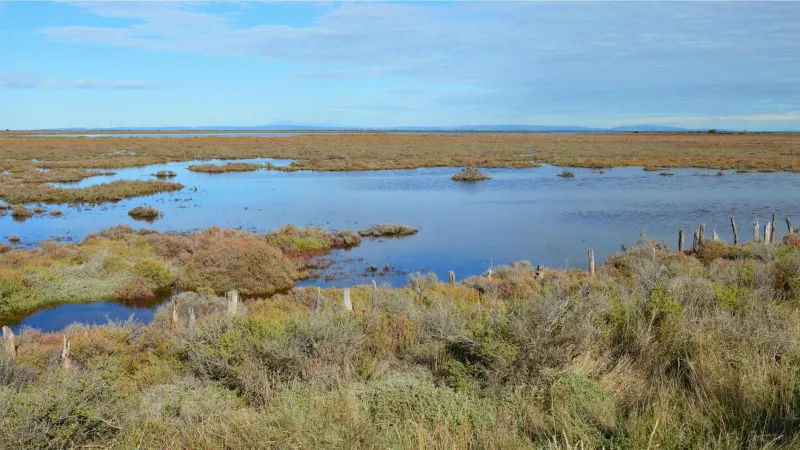
Three hundred miles southwest, the Somerset Levels tell a similar story of forgotten abundance. Here, where the Parrett and its tributaries once spread across thousands of acres of seasonal flooding, communities developed perhaps Britain's most sophisticated wetland cuisine.
Richard Mabey, author and naturalist, has been documenting these traditions through conversations with elderly residents whose families farmed the Levels before mechanised drainage transformed the landscape. "The variety was extraordinary," he notes, pointing to a ditch where water mint grows in profusion. "This wasn't just gathered—it was cultivated, managed, harvested with the same care farmers gave to their grain crops."
The water mint that grows wild in Somerset's rhynes (the local term for drainage ditches) produces leaves with an intensity of flavour that makes commercial mint seem pallid by comparison. Local families once dried entire harvests, creating stores of seasoning that lasted through winter months when fresh herbs were impossible to find.
But mint was just one element in a complex seasonal round that included marsh mallow roots (the original marshmallow ingredient), wild watercress beds that were carefully tended and protected, and the young shoots of common reed, harvested in spring when they're as tender as bamboo shoots.
Lincolnshire's Living Laboratory
The most ambitious attempt to reconstruct wetland food systems is happening in Lincolnshire, where the Wildwood Trust manages 1,500 acres of restored fenland using traditional techniques. Here, ecologist Dr. James Patterson is working with local volunteers to recreate the harvest cycles that once fed communities across the Fens.
"We're not playing at being medieval peasants," Patterson emphasises, stirring a pot of samphire and wild garlic soup over an open fire. "We're trying to understand how sophisticated these food systems actually were, and what they might offer modern sustainable agriculture."
The project has rediscovered techniques that seem almost impossibly complex to modern eyes. The harvest of reed mace pollen, for instance, requires precise timing—too early and the yield is minimal, too late and the pollen disperses on the wind. But get it right, and a single morning's work can produce pounds of protein-rich flour that stores for months.
"The pollen tastes like hazelnuts with a hint of vanilla," explains volunteer harvester Sarah Chen, demonstrating the traditional method of beating flower heads into collection baskets. "Mixed with conventional flour, it produces bread with a flavour profile you can't get any other way."
The Taste of Place
What strikes every researcher working in this field is how distinctly these wetland vegetables taste of their environment. Marsh samphire from Norfolk's salt marshes carries the mineral complexity of tidal waters, while the same species from Somerset's freshwater levels offers entirely different flavour notes.
"Terroir isn't just about wine," argues food historian Dr. Caroline Wright, who has spent five years documenting regional variations in wetland eating. "These plants express their environment more directly than almost any cultivated crop. They taste like the water that feeds them, the soil they grow in, the seasons that shape them."
This connection between place and flavour explains why wetland cuisine developed such strong regional characteristics. Fenland communities prized the starchy roots and shoots that could substitute for grain in lean years, while coastal marsh dwellers focused on the mineral-rich leaves and stems that complemented their fish-heavy diets.
Modern Applications
The revival of interest in wetland foraging isn't just academic curiosity—it's finding practical applications in Britain's evolving food culture. Restaurants across the country are beginning to incorporate wild wetland vegetables into seasonal menus, while farmers' markets in areas like the Broads and Somerset Levels now feature stalls selling foraged marsh produce.
Chef Marcus Williams of Norwich's Benedicts restaurant has built his reputation partly on dishes that showcase Norfolk's wetland harvest. "Samphire and sea beans are just the beginning," he explains, preparing a dish that pairs locally foraged water mint with Brancaster mussels. "There's a whole palette of flavours out there that we've completely ignored."
Challenges and Conservation
Yet this revival faces significant challenges. Centuries of drainage have eliminated many of the richest wetland sites, while modern agricultural runoff has compromised water quality in areas that remain. Climate change is altering the seasonal patterns that govern when and where these plants can be safely harvested.
"We're racing against time," admits Dr. Fennell, watching a mechanical digger clear a drainage ditch that until recently supported a thriving population of flowering rush. "Every year we lose more sites, more knowledge, more genetic diversity in these plant populations."
The solution, these researchers argue, lies not in preserving wetland foraging as a historical curiosity, but in recognising its potential contribution to sustainable food systems. As Britain grapples with questions of food security and environmental sustainability, the wetland larder that once fed our ancestors might yet have lessons to teach our grandchildren.
In the meantime, those willing to wade into Britain's remaining marshes and fens will find flavours that tell the true story of indigenous British cuisine—not the roast beef and Yorkshire pudding of popular imagination, but the subtle, complex, deeply seasonal tastes of a people who knew how to live from the land and water that shaped them.