The Bell That Still Governs the Feast
On the first of August each year, church bells across rural England once rang to mark Lammas Day — the feast of the first loaf. But in a handful of villages scattered from the Pennines to the West Country, these bells still carry meaning beyond mere tradition. They signal the moment when privately farmed strips of land transform into common pasture, beginning an ancient dance between crop and cattle that has shaped British agriculture for over a millennium.
The word 'Lammas' derives from the Anglo-Saxon 'hlaf-maesse' — loaf mass — when communities blessed the first bread made from the new harvest. Yet what followed this blessing was equally sacred: the throwing open of the fields to communal grazing, allowing livestock to feast on the stubble and aftermath grasses that remained after the grain was gathered.
Where Ancient Rhythms Still Beat
In the Yorkshire Dales village of Leyburn, the Lammas lands stretch along the River Ure like fingers reaching back through time. Here, narrow strips of meadowland — some barely wider than a cricket pitch — are still farmed individually from spring until harvest. Come August, the ancient rights kick in, and local cattle pour onto the aftermath, their hooves trampling the stubble into the soil whilst their mouths work the sweet regrowth that springs from summer's bounty.
"You can taste the difference in the beef," explains Margaret Thornton, whose family has farmed these strips for four generations. "The cattle get this incredibly varied diet — not just grass, but the herbs and wildflowers that grow between the crop rows, plus all those sweet shoots that come up after cutting. It creates a depth of flavour you simply can't get from modern farming."
Similar systems survive in pockets across England. The lammas meadows of Osmotherley in North Yorkshire, the common lands around Laxton in Nottinghamshire — Britain's last open-field village — and the ancient grazing rights that still govern parts of the New Forest all operate on variations of this seasonal handover.
The Flavour of History
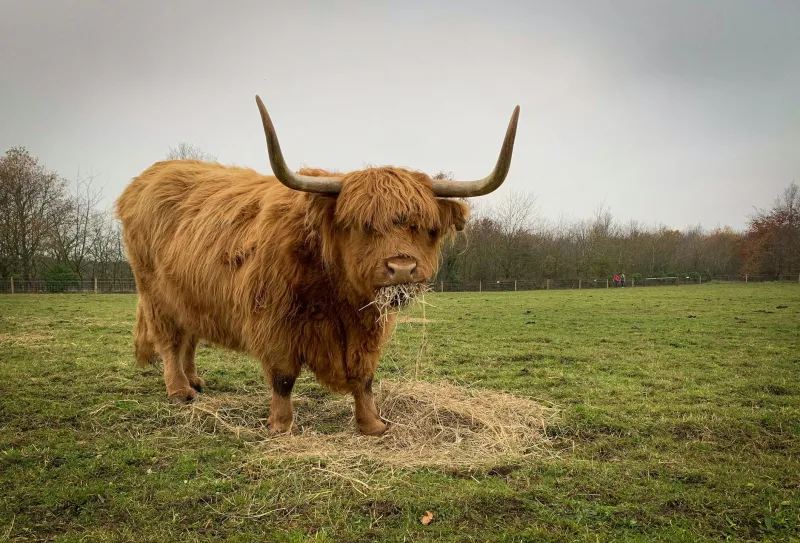
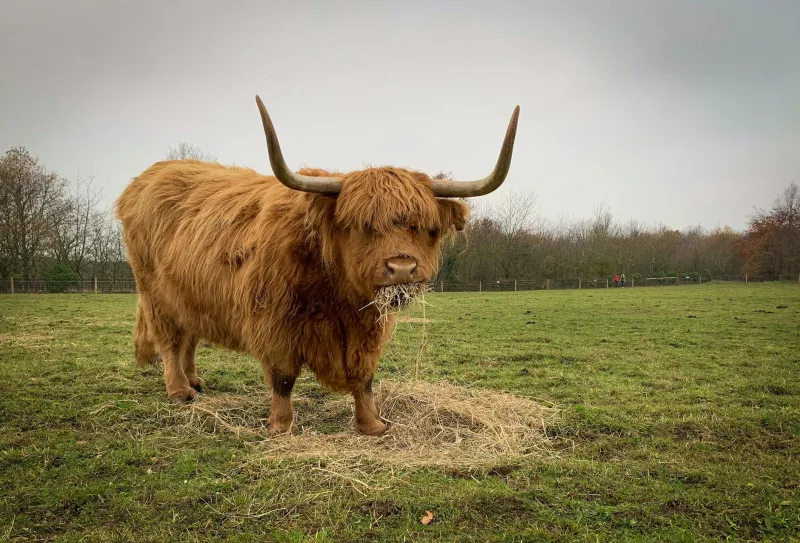
What makes Lammas beef distinctive isn't just the varied diet, but the timing. Unlike modern intensive systems where cattle are fed a consistent ration year-round, these animals experience genuine seasonal variation. The aftermath grasses they consume in late summer and autumn are particularly rich in sugars and nutrients, having been nourished by the root systems of harvested crops.
Dr James Rebanks, agricultural historian and fell farmer, has studied these systems extensively. "The medieval farmers weren't sentimental," he notes. "They developed Lammas rights because they worked — economically and ecologically. The aftermath grazing fattened cattle whilst fertilising the soil for next year's crop. What we're rediscovering is that this symbiosis also creates exceptional eating quality."
The cattle that graze these lands develop what butchers call 'marbling' — the fine threads of fat that run through the muscle, creating tenderness and flavour. But Lammas beef has a particular character: the fat carries subtle notes that reflect the diverse plant life consumed during those crucial autumn months.
Guardians of the Calendar
Maintaining these ancient systems requires dedication that borders on obsession. In Osmotherley, retired schoolteacher David Pearson serves as 'Stang Man' — an ancient role that involves marking the boundaries and ensuring the traditional rights are respected. Every August, he walks the same paths his predecessors have trodden for centuries, checking that the aftermath is ready for grazing.
"It's not just about the cattle," Pearson explains, leaning on a gate that overlooks the lammas meadows. "These systems preserve everything — the old field boundaries, the wildflower meadows, the traditional breeds that thrive on this kind of varied grazing. When you eat beef from these lands, you're tasting a thousand years of sustainable agriculture."
The challenges are real, though. Modern agricultural subsidies don't recognise these complex systems. Planning regulations struggle with land that changes use seasonally. Young farmers, educated in modern methods, sometimes view the restrictions as archaic hindrances rather than ecological wisdom.
The Table's Ancient Memory
Yet for those who understand the connection between land and flavour, Lammas beef represents something irreplaceable. London's finest restaurants have begun seeking out these seasonal treasures, with chefs like Tom Kerridge championing the unique qualities that come from cattle raised on aftermath grasses.
The meat tells the story of its making — lean but well-marbled, with a depth that speaks of varied pasture and patient fattening. It's beef that connects the diner not just to the animal, but to the entire agricultural calendar that shaped its life.
Preserving the Pattern
As Britain grapples with questions of food security and environmental sustainability, these ancient systems offer unexpected lessons. The Lammas lands demonstrate that intensive and extensive farming needn't be mutually exclusive — that the same acre can serve multiple purposes across the seasons, supporting both crop production and livestock whilst maintaining biodiversity and soil health.
In villages where the August bells still ring, where cattle still follow harvest, and where the calendar of the church still governs the rhythm of the farm, Britain's agricultural future might just be found in its deepest past. Every bite of properly raised Lammas beef carries this message — that the best flavours come not from fighting the seasons, but from dancing with them in patterns as old as the land itself.