The Rhythm of Running Water
Britain's rivers pulse with life throughout the year, each season bringing different species to peak condition as they follow ancient patterns of feeding, spawning, and migration. Understanding these rhythms transforms wild fish from an occasional luxury into a sustainable, year-round protein source that connects us directly to the health and character of our waterways.
Working with gillies, riparian farmers, and riverside cooks across the country, we've mapped the seasonal offerings of five distinctive British rivers. Each waterway tells its own story through the fish it nurtures, reflecting geology, climate, and centuries of careful stewardship in every silver scale and pink fillet.
River Tweed: Scotland's Salmon Highway
Peak Seasons: Salmon (June-September), Brown Trout (April-September), Grayling (October-February)
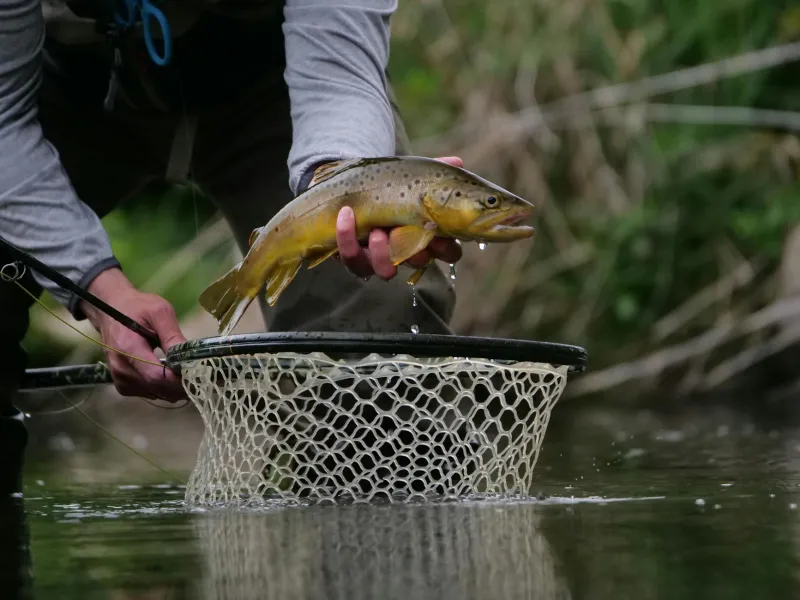
The Tweed's reputation rests on its salmon runs, but this mighty Border river offers exceptional fishing throughout the year. Spring brings the first brown trout into prime condition, their flesh firm and sweet after a winter of feeding in the deeper pools. Local ghillie Tom MacLeod recommends targeting the quieter stretches above Kelso, where smaller trout often provide better eating than their trophy-sized cousins.
"The best eating comes from fish that have been feeding well but haven't yet spawned," explains MacLeod. "A two-pound brownie in May, taken from a good pool, will give you some of the finest freshwater fish you'll ever taste."
Simple Tweed Trout with Wild Garlic Gut and clean your trout, leaving the head on. Stuff the cavity with wild garlic leaves (abundant along the Tweed's banks in spring), a knob of butter, and a squeeze of lemon. Wrap in foil with a splash of white wine and bake at 180°C for 15-20 minutes. The wild garlic's peppery notes complement the trout's delicate flavour without overwhelming it.
Come summer, the Tweed's salmon enter their legendary runs. The early fish, bright from the sea and fat with marine feeding, represent the pinnacle of British game fish. Unlike their autumn counterparts, summer salmon haven't yet developed the hooked jaws and darkened colours that signal spawning stress.
River Test: Hampshire's Chalk Stream Jewel
Peak Seasons: Brown Trout (May-September), Grayling (November-February)
The Test's crystal-clear waters, filtered through Hampshire's chalk downs, create perfect conditions for wild brown trout that many consider Britain's finest. The alkaline water supports abundant insect life, producing fish with exceptional flavour and firm, pink-tinged flesh.
"Test trout taste like the river itself," says Emma Hartwell, whose family has farmed beside the river for four generations. "There's a cleanness, a purity that you just don't get from stocked fish or even wild trout from other waters."
The Test's strict catch-and-release ethos means few wild fish make it to the table, but those that do — typically smaller fish or occasional casualties — represent an extraordinary culinary experience. The key lies in minimal preparation that allows the fish's inherent quality to shine.
Test Trout with Watercress Butter Fillet your trout carefully, removing all bones. Pan-fry skin-side down in a hot pan with minimal oil until the skin crisps. Flip briefly to warm through. Serve with butter mixed with chopped watercress (gathered from the Test's tributaries) and a pinch of sea salt. The watercress echoes the river's botanical richness.
Winter brings the Test's grayling into peak condition. These elegant fish, with their distinctive sail-like dorsal fins, thrive in the cold months when other species become sluggish. Grayling flesh has a unique, almost herbal flavour that Victorian gourmets prized above salmon.
River Dart: Devon's Moorland Marvel
Peak Seasons: Sea Trout (June-August), Brown Trout (April-September), Salmon (July-October)
Rising on Dartmoor's granite tors, the Dart carries the essence of Devon's uplands to the sea. The river's sea trout — salmon's smaller, more delicate cousins — provide some of Britain's most underrated eating fish. Unlike salmon, sea trout remain in coastal waters, developing flavours that bridge freshwater delicacy with marine richness.
"Sea trout are the perfect compromise," argues local chef Sarah Peterson. "They have the richness of salmon but with a more subtle, complex flavour profile. And they're far more sustainable — the runs are stable, and the fish aren't under the same pressure as Atlantic salmon."
The Dart's brown trout, influenced by the moorland's peaty waters, develop distinctive flavours that reflect their upland origins. These fish often show beautiful golden flanks and feed heavily on the terrestrial insects blown from Dartmoor's heather-covered slopes.
Dartmoor Trout with Rowan Jelly Score the skin of cleaned trout and stuff with fresh thyme. Pan-fry whole in butter, turning once. Serve with a small portion of rowan jelly — the tart, astringent flavour cuts through the fish's richness whilst echoing the moorland environment. If rowan jelly isn't available, redcurrant jelly provides a reasonable substitute.
River Wye: The Welsh Borders' Ancient Flow
Peak Seasons: Salmon (March-October), Brown Trout (April-September), Grayling (November-March)
The Wye's journey from Welsh mountains to Severn estuary creates diverse habitats that support exceptional fish populations. The river's salmon, whilst less numerous than in previous decades, remain among Britain's finest eating fish when caught sustainably under proper licence.
Local fishing guide David Evans emphasises the importance of timing: "Early season Wye salmon, taken in March or April, are completely different fish from the spawning runners you see in autumn. The spring fish are bright silver, firm-fleshed, and incredibly sweet."
The Wye's brown trout benefit from the river's varied geography, with upland fish showing different characteristics from their lowland cousins. Those from the Welsh headwaters tend to be smaller but intensely flavoured, whilst fish from the middle reaches grow larger and develop more complex, nuanced tastes.
Wye Salmon with Laverbread Crust Combine fresh breadcrumbs with chopped laverbread (Welsh seaweed), lemon zest, and herbs. Press onto salmon fillets and bake at 200°C until the crust is golden. The laverbread's mineral intensity complements the salmon's richness whilst celebrating Welsh coastal traditions.
River Usk: Wales' Hidden Treasure
Peak Seasons: Salmon (April-September), Brown Trout (March-September), Grayling (October-February)
Flowing through the heart of Wales, the Usk maintains some of the country's healthiest wild fish populations. The river's salmon runs, whilst modest compared to larger Scottish rivers, produce fish of exceptional quality that reflect the Usk's pristine upland sources.
"Usk fish taste of Wales," declares local angler and cook Margaret Thomas. "There's something about the mineral content, the way the water flows through our hills, that gives everything a distinctive character."
The Usk's brown trout, particularly those from the upper reaches near Brecon, develop beautiful coloration and firm flesh that makes them ideal for simple preparation. These fish feed on the abundant invertebrate life supported by the river's clean, well-oxygenated waters.
Usk Trout with Leeks and Bacon Wrap cleaned trout in bacon rashers and bake with sliced leeks and a splash of Welsh cider. The bacon bastes the fish whilst cooking, and the leeks provide sweetness that balances the trout's delicate flavour. Finish with chopped chives and a drizzle of the cooking juices.
Sustainable Practice and Future Prospects
Eating wild fish from British rivers requires understanding and respecting the delicate balance that maintains healthy populations. All the techniques described here depend on proper licensing, seasonal awareness, and conservative harvesting that prioritises the long-term health of fish stocks.
The future of river-to-table eating lies not in increased extraction but in deeper understanding — recognising that sustainable wild fish consumption represents one of Britain's most environmentally responsible protein sources. When practiced correctly, it supports river health, maintains traditional skills, and provides incomparable eating experiences that connect us directly to the living landscape of our waterways.
Every wild fish represents a story of clean water, healthy ecosystems, and careful stewardship. In an age of industrial food production, that story becomes increasingly precious — and increasingly delicious.