Pears on the Precipice: The Last Guardians of Britain's Perry Country
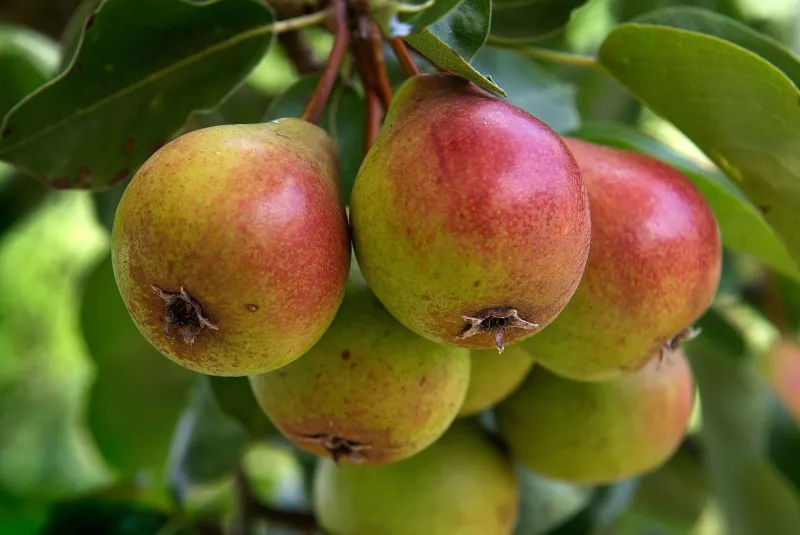
Photo: ancient perry pear orchard Herefordshire autumn traditional, via keyassets.timeincuk.net
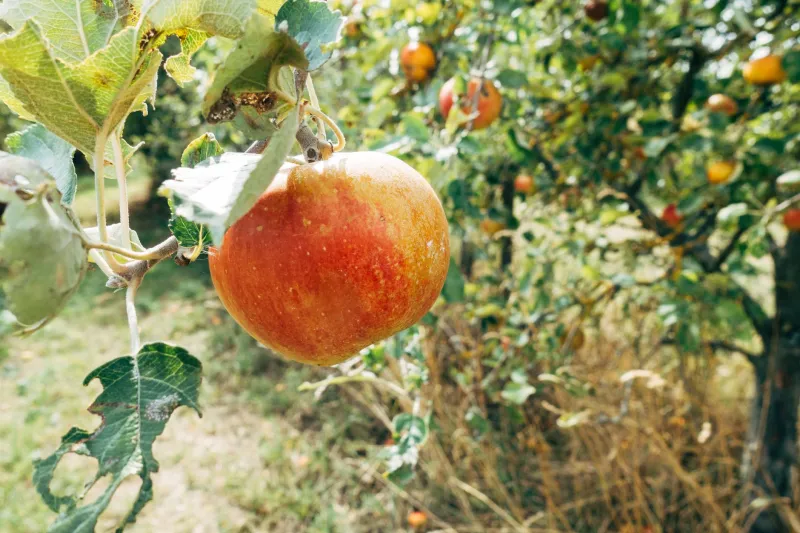
There's a pear tree growing in a field outside Ledbury that was already old when the Civil War was fought beneath it. Its trunk is the width of a kitchen table, its bark furrowed like old leather, and in a good October it will drop several hundred kilograms of fruit that almost nobody in the modern world knows how to use. That fruit will make perry — and if the people who understand it don't act quickly, the knowledge of what to do with it may not survive another generation.
Perry has always lived in cider's shadow. Ask most people to name a pear-based British drink and they'll reach for the word 'cider' and shrug. The supermarket shelves haven't helped, stacked as they are with fizzy, sweetened 'pear cider' that contains no perry pear and precious little tradition. But real perry — made from the gnarled, ancient, location-specific trees of Herefordshire, Worcestershire, and Gloucestershire — is something else entirely. It is one of the most complex fermented drinks made anywhere in Britain, and it is quietly racing against time.
A Drink That Belongs to the Land
Unlike cider apples, which can be moved and cultivated with reasonable success across a range of conditions, perry pears are stubbornly, magnificently territorial. The Thorn, the Blakeney Red, the Merrylegs, the Gin — these varieties don't just prefer their native Three Counties; they actively refuse to perform anywhere else. Transplanted to different soils, they produce inferior fruit. Planted young, they take decades to reach full expression. The oldest orchards contain trees that are three hundred years old or more, and those trees are not being replaced at anything close to the rate they are dying.
'A perry pear tree is a multi-generational investment,' says Tom Oliver, one of the most respected names in British perry production. 'Whoever planted that tree never drank from it. They planted it for their grandchildren. Nobody does that any more.'
Oliver's farm near Ocle Pychard in Herefordshire sits within what many consider the spiritual heartland of British perry. The orchards here are not manicured or commercial — they are rough-grassed, wildlife-rich, deeply unfashionable by modern agricultural standards, and entirely irreplaceable. When a tree dies and is not replanted, a variety can vanish from the landscape within a lifetime.
The Complexity Nobody Talks About
Part of perry's problem is that it is genuinely difficult to explain to someone who hasn't tasted it. Cider has a straightforward narrative — apples, fermentation, countryside — that communicates itself easily. Perry is harder. The tannins in perry pears are unlike those in wine or cider apples; they are astringent in ways that can be challenging, and the fermentation is notoriously unpredictable. Even experienced makers describe perry as capricious, a drink that seems to change in the bottle, in the glass, sometimes between one sip and the next.
That complexity, though, is precisely what makes it worth pursuing. A well-made perry from old trees carries something that wine writers call terroir and that countryside people simply call place. The Styre pear makes a perry that is earthy and tannic with a long finish. The Moorcroft — also called the Malvern Hills — produces something floral and slightly medicinal, particular to the western slope of those hills in a way that defies easy explanation. These are not marketing claims. They are the accumulated observations of makers who have spent decades paying attention.
'You can taste the difference between a perry made from fruit grown on red sandstone and one made from fruit on the clay,' says Susanna Forbes of Little Pomona, whose work in Herefordshire has done much to bring perry to a wider audience. 'It's not subtle, once you know what to look for.'
The Orchard as Ecosystem
There is an ecological dimension to the perry crisis that deserves more attention than it tends to receive. Traditional perry orchards are among the most biodiverse habitats in lowland Britain. The combination of old timber, rough grass, and minimal intervention creates conditions that support hundreds of species of invertebrate, dozens of bird species, and fungi that are increasingly rare elsewhere. When an orchard is grubbed out — often because the land is more profitable under arable or as a building plot — that habitat is gone.
Several conservation bodies have begun to recognise this. The Marcher Apple Network and similar organisations have been working to document surviving trees, propagate heritage varieties, and encourage landowners to maintain old orchards rather than clear them. But the economics remain difficult. Perry making is labour-intensive, the yields from old trees are unpredictable, and the market, though growing, is still small.
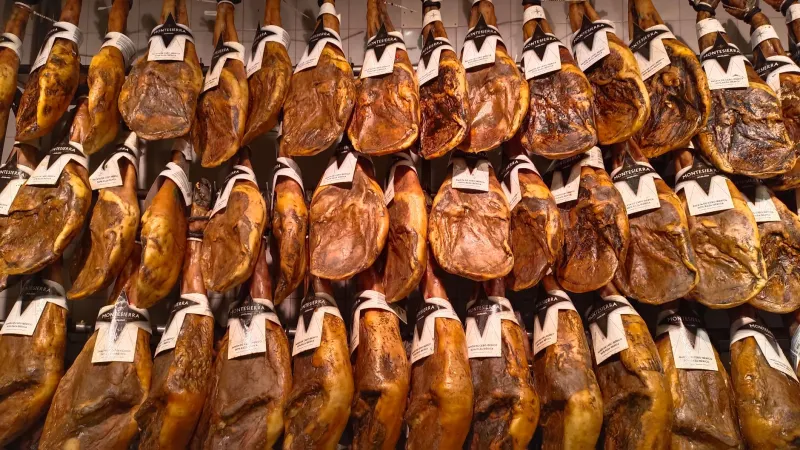
What's changing is the quality of attention the drink is receiving from chefs and food writers who understand complexity. Perry, it turns out, pairs extraordinarily well with the kind of food that serious British kitchens are now interested in — aged hard cheeses, game birds, cured pork from native breeds. Its natural acidity and tannic structure make it a more versatile table companion than its reputation suggests.
Racing Against the Clock
The urgency is real. Surveys of heritage perry orchards in the Three Counties have found that the majority of old trees are not being replaced, and that many surviving specimens are in poor condition — unpruned, diseased, or simply neglected by landowners who inherited them without any knowledge of their value. Each winter, more of them come down.
The makers who remain are doing what they can. Some are buying old orchards outright to ensure their survival. Others are working with local farmers to identify and propagate rare varieties before the last parent trees are lost. A few are collaborating with chefs to create a market that makes the economics of orchard maintenance viable.
None of it is fast enough, and all of it depends on people caring enough to act. Perry is not a drink that will save itself through novelty or trend. It requires the kind of long-term, place-rooted commitment that is increasingly rare in modern food culture — the same commitment, in fact, that the person who planted that Ledbury tree three centuries ago must have possessed.
The trees are still there. The fruit still falls. The question is whether the knowledge and the will to use it can survive long enough to matter.