Jar and Jar Alike: The New Pickleries Bottling Britain's Glut Seasons
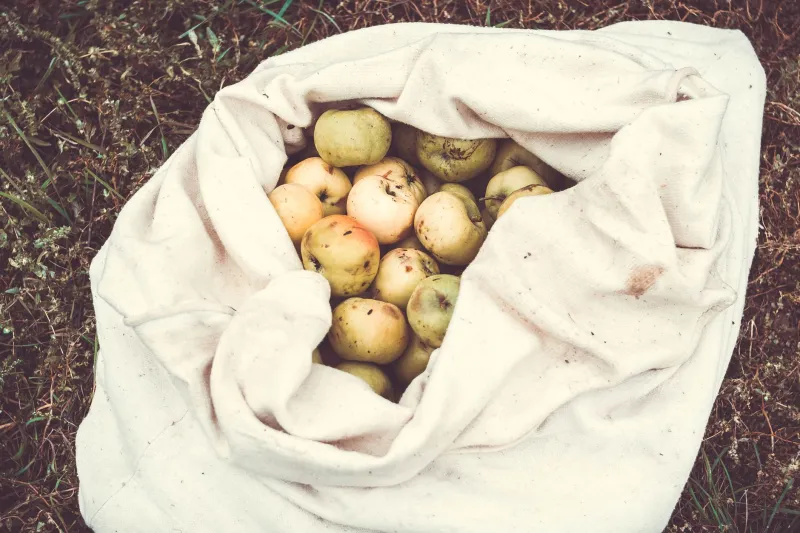
There's a particular kind of late-summer panic that anyone who grows their own food will recognise. The runner beans are going woody on the vine, the damson tree has dropped half its load overnight, and the onions are piled three deep in the shed with nowhere to go. Before the supermarket age made every ingredient available every month, the British kitchen had a simple, elegant answer to this annual crisis: the preserving pan, the Kilner jar, and a good measure of patience.
That answer is making a serious comeback.
Brine and Business
Across the country — from Shropshire smallholdings to Somerset market gardens to back-to-back terraces with allotment plots — small-scale producers are turning seasonal surplus into shelf-stable gold. Some are hobbyists who discovered a talent and a market simultaneously. Others are farmers' wives and retired food professionals who saw an opportunity to add value to produce that might otherwise go to waste or, worse, to the compost heap.
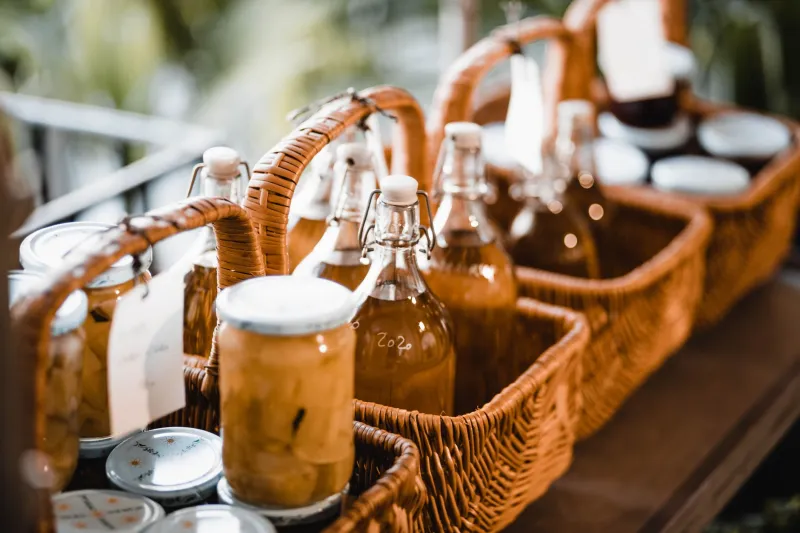
Sarah Holt runs Hedge Row Preserves from a converted outbuilding on her family's mixed farm near Ludlow. She started with a single batch of green tomato chutney in 2019, made from fruit that had no hope of ripening before the first frosts. By 2023, she was selling at four regular markets and supplying two local delis. "It started because I couldn't bear to bin them," she says, lifting a jar of deep amber piccalilli to the light. "Now it's a proper part of the farm's income."
Sarah's range has grown to include pickled walnuts (a Shropshire tradition she learned from her grandmother), damson cheese, and a fierce green chilli and apple jelly that she describes as "completely untraditional and completely delicious." The green tomato chutney remains the bestseller. It always does.
The Science Behind the Shelf
Pickling and preserving aren't just culinary nostalgia — they're applied science, and getting it right matters. The two main mechanisms at work are acidification, where vinegar lowers pH to inhibit bacterial growth, and lacto-fermentation, where naturally occurring bacteria convert sugars into lactic acid and create a living, probiotic-rich product.
These are not interchangeable processes, and the distinction shapes everything from flavour to shelf life. A jar of pickled red cabbage made with malt vinegar will keep for a year in a cool larder. A crock of naturally fermented sauerkraut is a more dynamic thing — alive, slowly changing, and best kept cool once it reaches the tang you want.
The fermentation side of the revival has attracted a younger crowd, drawn partly by the wellness conversation around gut health and partly by the sheer satisfaction of watching something transform on your kitchen counter. Tom Graves, who farms beef cattle in the Wye Valley, started fermenting vegetables after a bad season left him with an enormous surplus of cabbage. "I read everything I could find, made a complete mess of the first three batches, and then it clicked," he says. "Now I do kimchi, curtido, and a British-style fermented green tomato that I think is genuinely better than anything I've tasted from a jar."
Tom sells at farm gate and online, and is careful to label his fermented products clearly — both because the flavour profile is distinct and because customers with no fermentation experience sometimes expect something that tastes like a standard pickle.
Regional Recipes Worth Knowing
One of the pleasures of this revival is the way it's drawing regional pickle traditions back into the light. Yorkshire has its piccalilli, made with cauliflower, gherkins, and a turmeric-heavy mustard sauce that stains everything it touches. The West Country has its pickled cider apples, sharp and sweet in equal measure, traditionally served alongside a wedge of hard cheese. Scotland has a long tradition of potted meats and preserved game, and some producers are now pairing those with pickled accompaniments — juniper-brined mushrooms, pickled sloe berries — that feel genuinely rooted in place.
In Norfolk, a small cooperative of market gardeners has begun reviving the tradition of pickled samphire, the glassy coastal vegetable that grows in abundance along the salt marshes each summer. Packed into jars with white wine vinegar, a little dill, and a pinch of sugar, it's an extraordinary thing — salty, crisp, and deeply evocative of the county's coastline. They sell out every year before the end of September.
Pickled walnuts deserve special mention. Made from unripe green walnuts harvested in July before the shells harden, they require a two-week brining process followed by drying and then immersion in spiced malt vinegar. The result is black, glossy, and intensely flavoured — extraordinary with cold beef or a crumbling wedge of Stilton. They take months to mature and are almost impossible to find commercially, which makes them one of the great rewards of home pickling.
From Surplus to Supplementary Income
For those looking to turn a passion into a small enterprise, the regulatory landscape is more navigable than many expect. Cottage food producers operating below certain turnover thresholds can often sell directly to the public without the full burden of commercial food business registration, though rules vary and are worth checking with your local authority. Many producers start at farmers' markets, where the face-to-face relationship with customers is invaluable for gathering feedback and building a following.
The economics are honest rather than spectacular. Jars, lids, labels, and ingredients all cost money, and the time involved in careful preserving — sterilising jars, monitoring temperatures, allowing proper maturation — is considerable. But for a farm or smallholding already producing surplus fruit and vegetables, the maths can work well. You're adding value to something that would otherwise be a loss.
Sarah Holt puts it plainly: "Every jar I sell is a jar of something that would have gone to waste. That feels right. It feels like what farming is supposed to be — using everything, wasting nothing, and making something people are genuinely pleased to have on their shelves."
In a food culture that's finally getting serious about waste, seasonality, and provenance, the humble pickle jar is having its moment. Long may the glut season continue.