Invasion Cuisine: Five Rivers Where Britain's Crayfish Problem Became Dinner
When Invaders Become Ingredients
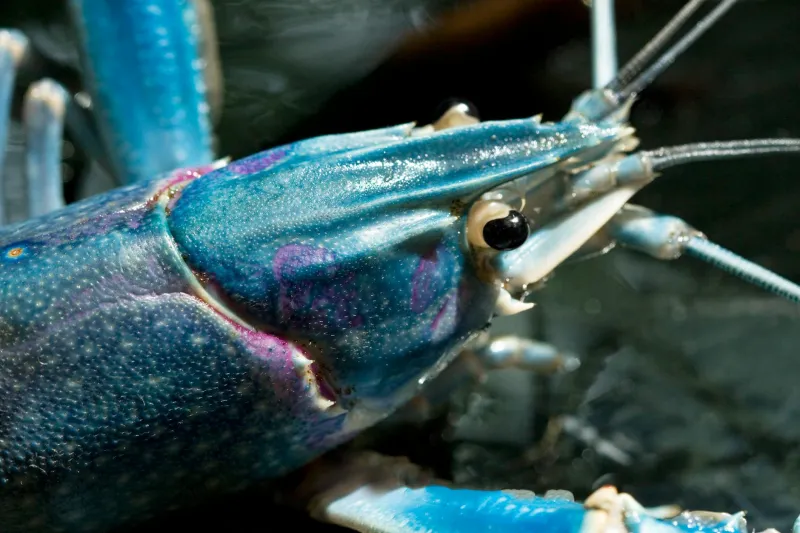
The first American signal crayfish escaped into British waters in the 1970s, and they've been making themselves thoroughly unwelcome ever since. These aggressive crustaceans burrow into riverbanks, devour native fish eggs, and spread crayfish plague that decimates our indigenous white-clawed species. But along five remarkable British rivers, local communities have discovered that the sweetest revenge comes served on a plate.
"If you can't beat them, eat them," laughs Sarah Bentley, pulling a trap from the River Wye near Ross-on-Wye. Her catch wriggles with dozens of rusty-red signal crayfish, each one representing a small victory for native wildlife. "These little beauties have been terrorising our river for thirty years. Time they learned what it feels like to be prey."
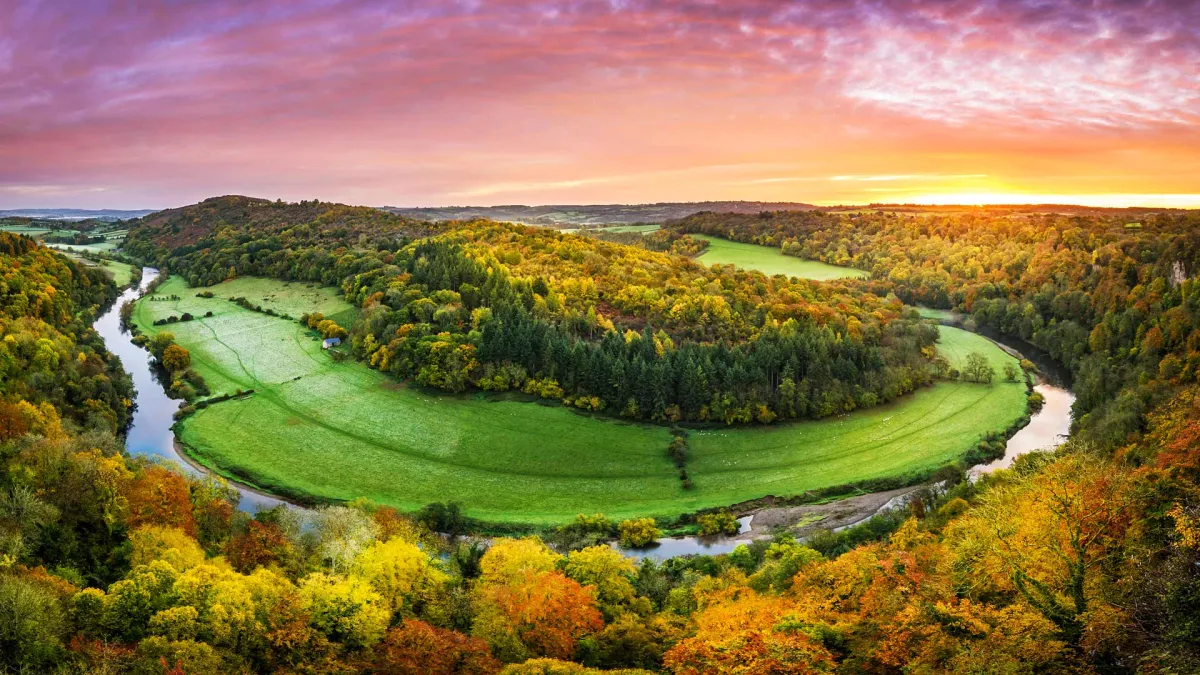 Photo: River Wye, via www.bwallpaperhd.com
What started as conservation necessity has evolved into something unexpectedly delicious. Signal crayfish, it turns out, taste remarkably like lobster—sweet, delicate, and perfectly suited to British palates weaned on shellfish from colder waters.
The River Wye: Where Conservation Meets Cuisine
The Wye Valley's fight against signal crayfish began as an environmental campaign but quickly became a culinary movement. Local restaurants now feature "invasive species menus," and the annual Crayfish Cull has evolved into a festival celebrating both conservation and gastronomy.
"We remove about 50,000 crayfish from our stretch of river each season," explains Tom Hartwell, coordinator of the Wye Crayfish Project. "Rather than waste them, we've partnered with local chefs to create a market. Now people book tables specifically to try our 'river lobster.'"
The Saracens Head Inn in Symonds Yat has built its reputation on crayfish bisque made from the day's catch. Chef Marcus Williams treats the signal crayfish with the respect due to premium shellfish: "The meat is incredibly sweet, much more delicate than you'd expect from something so destructive. We serve them simply—butter, white wine, herbs from the pub garden."
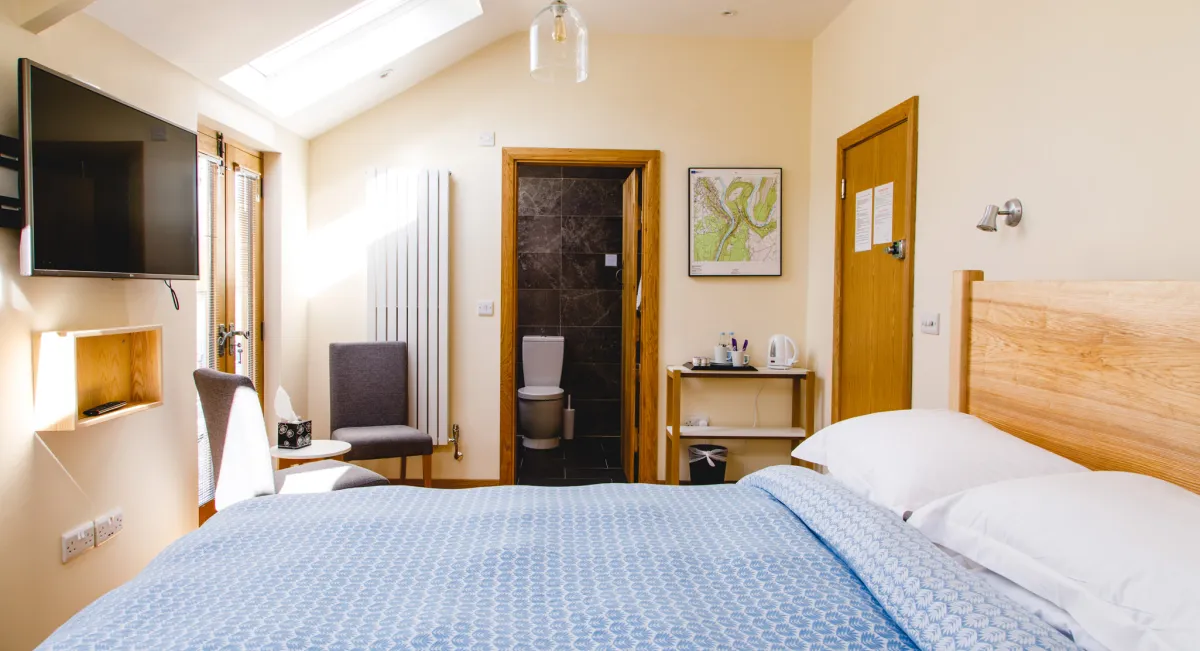 Photo: Saracens Head Inn, via www.saracensheadinn.co.uk
Local angler David Price has turned crayfish trapping into a cottage industry, supplying restaurants throughout Herefordshire and Gloucestershire. "The irony isn't lost on me," he admits. "I spent decades trying to catch fish in this river, watching these crayfish destroy the habitat. Now the crayfish pay better than the fish ever did."
The River Test: Chalk Stream Defenders
Hampshire's River Test, one of Britain's most prized chalk streams, faces particular pressure from signal crayfish. Their burrowing destabilises the gravel beds where trout spawn, while their voracious appetites compete with native fish for invertebrates.
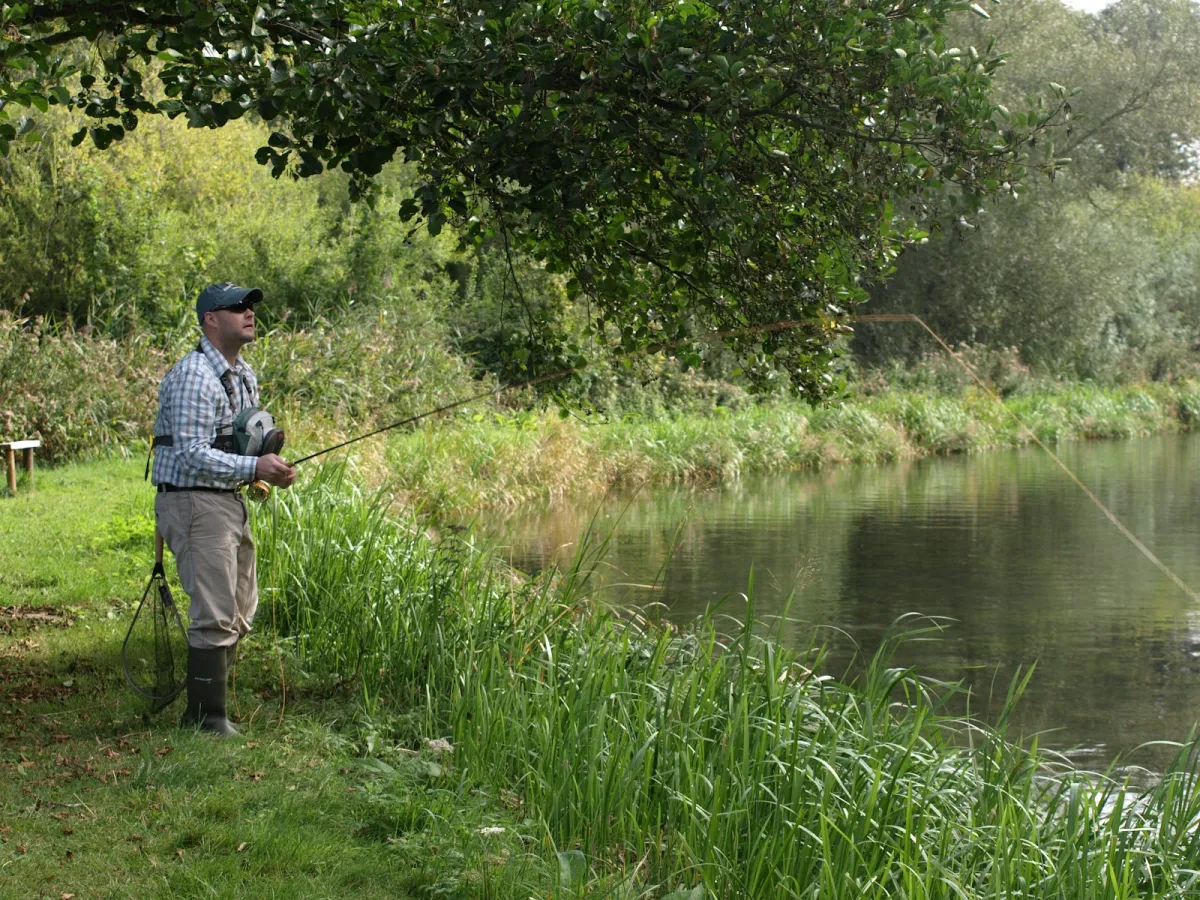 Photo: River Test, via blogger.googleusercontent.com
The Test Valley Crayfish Initiative combines scientific monitoring with practical removal. Volunteers check traps twice weekly during the summer season, recording data on population density while harvesting dinner.
"It's citizen science with benefits," jokes Dr. Emma Thornton, the project's lead researcher. "Our volunteers get excellent data on crayfish populations, and excellent meals from their efforts."
The nearby Greyhound pub in Stockbridge has become the unofficial headquarters of the initiative. Landlord James Mitchell serves fresh crayfish tails in garlic butter, crayfish thermidor, and a popular crayfish and watercress salad that celebrates both the catch and the Test's famous watercress beds.
"Locals love the idea that every crayfish on their plate is one less threat to our native wildlife," Mitchell explains. "It's conservation you can taste."
The River Kennet: Community Trapping
In Berkshire, the River Kennet Restoration Trust has mobilised an army of volunteer trappers. Monthly "crayfish pulls" combine conservation work with social events, as families gather to check traps before sharing communal meals prepared from the catch.
"We've made it a community activity," says trust coordinator Helen Barnes. "Children learn about river ecology while helping to protect it, and everyone goes home with dinner."
The trust has developed a recipe collection showcasing signal crayfish versatility: crayfish and leek soup, crayfish kedgeree, even crayfish sandwiches for the village pub. Local chef Amy Stewart has pioneered crayfish scotch eggs, using the sweet meat in place of traditional sausage.
"The flavour is so clean and delicate," Stewart explains. "It takes seasoning beautifully, works in both hot and cold dishes, and the sustainability story makes it even more appealing to diners."
The River Itchen: Scientific Supper
Winchester's River Itchen combines university research with practical crayfish management. Students from the University of Winchester monitor trap success rates while local restaurants provide the commercial outlet for the catch.
Professor Michael Davies leads the project: "We're studying population dynamics, trap efficiency, and ecological impact. But we're also demonstrating that conservation doesn't have to mean waste. These crayfish are a resource, not just a problem."
The Cathedral Refectory in Winchester has developed a signature crayfish bisque using shells and heads that might otherwise be discarded. Head chef Caroline Wright sees it as perfect nose-to-tail cookery: "We use every part—shells for stock, heads for bisque base, tails for the meat. It's respectful cooking, even for an invasive species."
The River Avon: From Pest to Profit
Warwickshire's River Avon project takes a commercial approach to crayfish control. The Avon Invasive Species Partnership works with licensed trappers who sell their catch to restaurants and fishmongers throughout the Midlands.
"We've created a sustainable economy around an ecological problem," explains partnership manager Robert Clarke. "The more valuable we make these crayfish as food, the more incentive there is to remove them from our rivers."
Stratford-upon-Avon's restaurants have embraced local crayfish with enthusiasm. The Opposition Bistro features crayfish linguine, while The Fourteas serves elegant crayfish afternoon tea sandwiches. Even pub kitchens have discovered that crayfish and chips works surprisingly well.
The Perfect Catch
Signal crayfish trapping requires skill and knowledge. The best trappers understand crayfish behaviour—they're most active at night, prefer rocky crevices during the day, and are drawn to fresh bait like bacon or fish heads.
"It's not just about dropping traps in the water," explains experienced trapper Janet Mills from the Wye project. "You need to read the river, understand where crayfish hide, know when they're most active. It's proper fieldcraft."
Traps must be checked within 24 hours to ensure the catch remains fresh. The crayfish are purged in clean water for several hours to remove any mud or debris from their systems, then either cooked immediately or stored live in cool, damp conditions.
From River to Recipe
Cooking signal crayfish requires minimal technique but maximum respect for the ingredient. The meat is delicate and easily overcooked, with a texture somewhere between prawns and lobster.
The simplest preparation—boiling in salted water with herbs—showcases the natural sweetness. More elaborate dishes like crayfish thermidor or bisque allow the flavour to shine while making the most of every part of the animal.
"They're incredibly versatile," notes chef Williams from the Saracens Head. "Cold in salads, hot in pasta, in soups, on toast—they work everywhere prawns work, but with more character."
Conservation Through Consumption
The success of these river projects demonstrates that environmental protection and culinary pleasure can work together. Every crayfish consumed represents reduced pressure on native wildlife, while creating economic incentives for continued conservation efforts.
"We've turned an ecological disaster into a local delicacy," reflects Bentley, checking her traps on the Wye. "It's proof that sometimes the best way to protect what you love is to eat what threatens it."
As these programmes expand, they offer a model for dealing with other invasive species. Grey squirrels, muntjac deer, and Japanese knotweed shoots all have potential as food sources. The crayfish pioneers have shown that Britain's approach to invasive species doesn't have to be purely defensive—sometimes, the best conservation comes with butter and a squeeze of lemon.