The Thunder of Ten Thousand Hooves
Stand quietly on the grassy ridge above Builth Wells on a misty Welsh morning, and you might almost hear them—the lowing of countless cattle, the crack of drovers' whips, and the steady drumbeat of hooves that once echoed across these hills. For centuries, this was the M1 of the medieval meat trade, where Welsh Black cattle began their epic 300-mile journey to the butchers of Smithfield Market.
These weren't mere country walks. Britain's droving routes were the arteries of a pre-industrial food system that makes today's farm-to-table movement look positively modern. Every autumn, vast herds would set off from the Scottish Highlands, Welsh valleys, and Irish ports, following ancient tracks that connected remote pastures to hungry cities.
"People think food miles are a new concept," says Dr. Sarah Whitfield, who has spent two decades mapping Britain's lost droving heritage. "But our ancestors understood the cost of distance better than we do. Every mile a beast walked was weight lost, profit diminished. These routes weren't random—they were engineered for efficiency."
Green Lanes and Ghost Roads
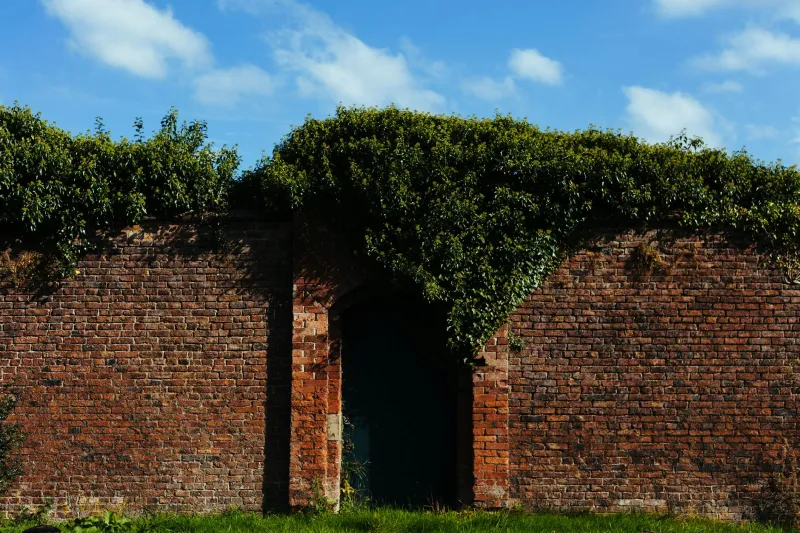
Today's ramblers know them as green lanes, bridleways, and forgotten footpaths. But scratch beneath the brambles and you'll find the bones of Britain's original food highway network. The Ridgeway, stretching from Wiltshire to Buckinghamshire, carried more than Bronze Age traders—it was a superhighway for Scottish cattle heading south. The Icknield Way guided Norfolk geese to London's Christmas tables. And the Welsh droving routes, some barely wider than a farm gate, channelled the wealth of the Welsh hills towards English markets.
Walk the Monks Trod between Strata Florida Abbey and Tregaron today, and you're following in the hoofprints of history. This 11-mile stretch through the Cambrian Mountains was one link in a chain that stretched from Anglesey to Kent. Stone bridges still bear the scars where iron-shod hooves wore grooves in the granite. Ancient inns, their names betraying their purpose—The Drovers Arms, The Black Ox—stand as monuments to an age when cattle moved at walking pace.
The Economics of Endurance
The droving trade was brutal economics disguised as pastoral romance. A Welsh drover might purchase cattle for £3 a head in Anglesey and sell them for £8 at Barnet Fair, but only if they survived the journey. Weak animals were culled along the route. The strong grew lean but valuable, their meat prized by London butchers who understood that exercise produced flavour.
"Modern farming has forgotten what the drovers knew instinctively," argues James Rebanks, a Lakeland farmer who has retraced several historic routes. "Cattle that walk develop different muscle, different fat distribution. The meat tells the story of the journey."
This wasn't factory farming. Herds rarely exceeded 200 head, and drovers knew each animal individually. They carried portable forges to re-shoe cattle, herbal remedies for sick beasts, and generations of accumulated wisdom about which grass grew sweetest, which streams ran cleanest, which innkeepers could be trusted with a night's grazing.
Revival on Ancient Ground
In an age of just-in-time delivery and global supply chains, the droving routes are experiencing an unlikely renaissance. Walking groups follow the old paths, historians map forgotten sections, and a growing number of farmers are rediscovering the benefits of moving livestock on foot rather than in lorries.
The Drovers Roads Heritage Project has identified over 2,000 miles of surviving routes across Wales alone. Volunteers armed with GPS units and 19th-century maps are piecing together a jigsaw of green lanes, many of which have been severed by modern development but remain legally protected as ancient rights of way.
"Every field boundary tells a story," explains project coordinator Megan Davies. "You'll find a perfectly straight hedge that suddenly kinks around what looks like empty ground. That's where the droving stance was—the overnight stop where hundreds of cattle rested. The grass still grows differently there."
Modern Drovers, Ancient Wisdom
A handful of contemporary farmers are taking inspiration from their predecessors. In the Scottish Borders, the Tweed Valley Initiative encourages farmers to move sheep along historic drove roads rather than using trailers. The benefits are measurable: reduced stress, better meat quality, and landscapes maintained by grazing rather than machinery.
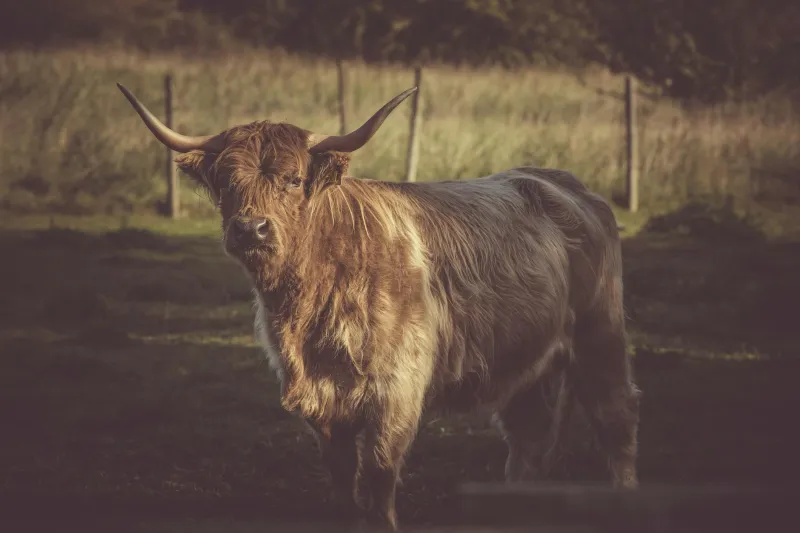
"We've got lorries carrying livestock past empty fields that could feed them," observes Tom Pearson, whose Highland cattle still walk to market along a section of the Great North Road. "The drovers understood something we've forgotten—the journey is part of the product."
This isn't mere nostalgia. As concerns grow about carbon footprints and animal welfare, the droving tradition offers practical lessons. Cattle that walk to slaughter arrive calmer, producing better meat with less waste. Fields grazed by moving herds maintain biodiversity that intensive systems destroy.
The Path Forward
Britain's droving heritage represents more than quaint history—it's a blueprint for sustainable food systems that modern farming is only beginning to rediscover. As we grapple with the environmental cost of industrial agriculture, these ancient green lanes offer a different model: one where animals lived as they evolved to live, where food production worked with landscape rather than against it, and where the distance from pasture to plate was measured not in air miles but in the steady rhythm of walking feet.
The droving routes survive as more than historical curiosity. They're a reminder that the shortest distance between farm and table isn't always a straight line—sometimes it's a winding path that honours both the land and the animals that feed us. In an age of global supply chains, perhaps it's time to remember the wisdom of those who fed Britain one careful step at a time.