Silver Tide, Empty Nets: Britain's Glass Eel Fishermen Face the Hardest Season of All
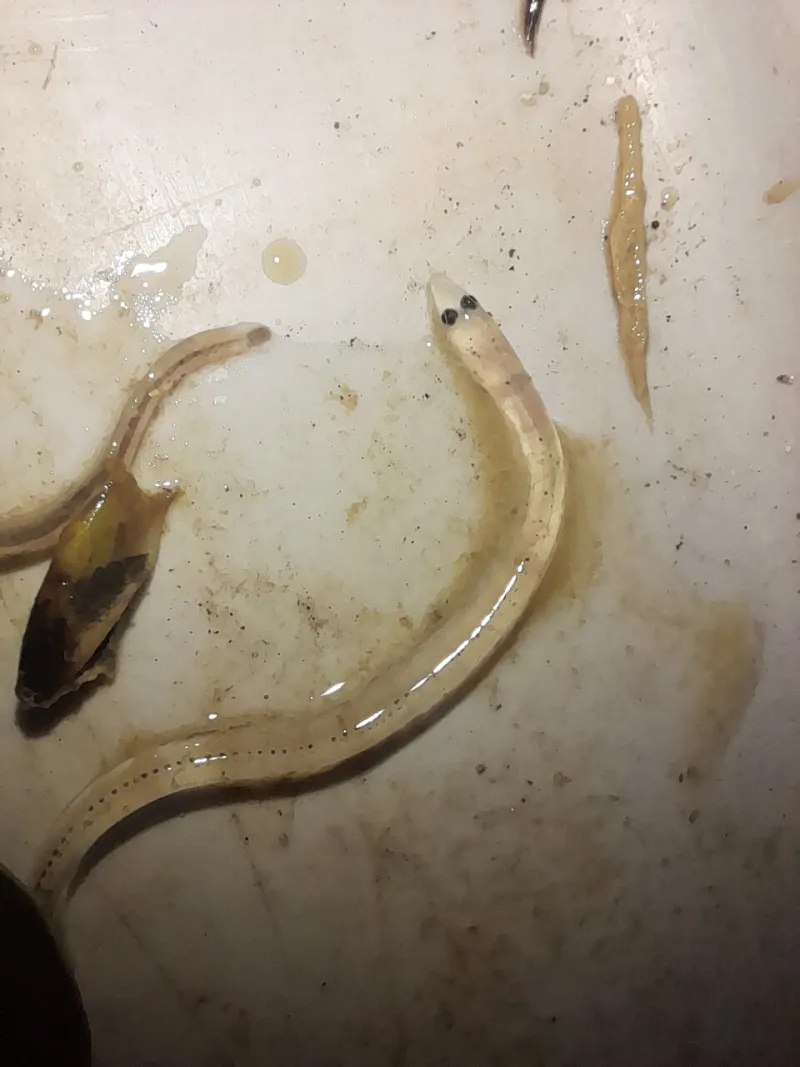
Photo: etrusko25, CC BY 4.0, via Wikimedia Commons
A Fish With Two Histories
The European eel is one of Britain's strangest food stories. It begins in the Sargasso Sea, where eels spawn, and continues as tiny glass eels drift across the Atlantic towards European rivers. They move upstream as elvers, grow as yellow eels, and eventually turn silver before returning to the sea to spawn. No one has yet managed to breed them commercially at scale. The eel does not fit neatly into farming, and it has never fitted neatly into conservation either.
In Britain, the eel is also a cultural object. London's eel pie houses and jellied eel shops made it a working-class staple. On the Severn Estuary and the Somerset Levels, elver fishing is an old seasonal trade. The glass eel is tiny and translucent, worth more per kilo than most fish on any market slab. That price is a sign of scarcity as much as demand.
The Last Elver Men
On a dark spring tide, the few remaining elver fishermen work the estuary with hand nets and headtorches. The season is short, the quota is small, and the catch is unpredictable. They are not villains in this story. They are the last link in a trade that has been passed down through families and adapted with every new regulation.
But they are also under scrutiny. Scientists warn that every glass eel taken from the wild is a fish that will never return to spawn. The stock has fallen sharply since the 1980s, and recruitment remains fragile. The fishermen know this. Many of them have seen the nets come up lighter year after year. The argument is not really about whether they care. It is about whether any commercial take can be justified while the species is critically endangered.
The Chef's Dilemma
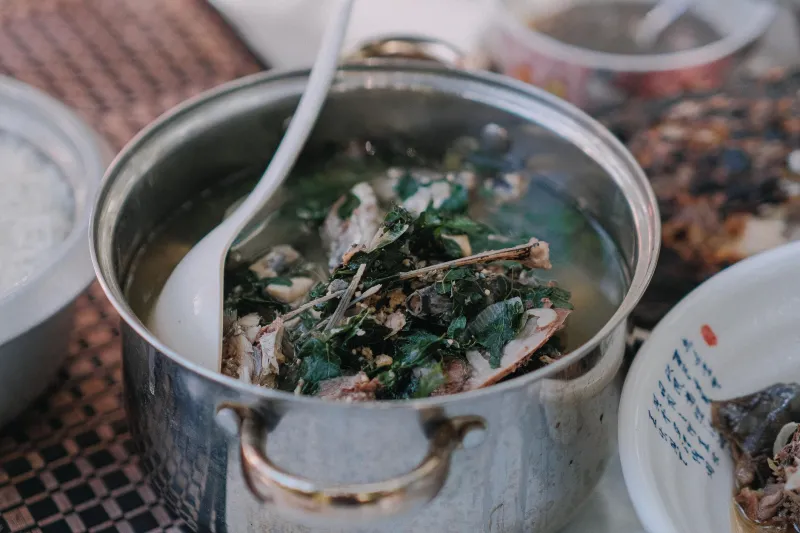
In kitchens, the eel is a difficult ingredient to love honestly. Jellied eels and eel pie are part of London's food history, but history is not a licence to fish a species to extinction. Some chefs have taken eel off their menus altogether. Others keep it as a rare seasonal dish, sourced with strict traceability, and treat it as a luxury rather than a staple.
That is a reasonable compromise, but it is not a solution. A chef who serves eel is making a statement about tradition. A chef who refuses is making a statement about survival. The two positions are not as far apart as they look. Both accept that the eel is special. The question is what special should mean in practice.
What Science Says
The decline is not down to one cause. Barriers such as weirs and sluices block migration. Wetlands and estuaries have been drained and developed. Climate change is shifting ocean currents and food supplies. Illegal trade puts further pressure on the stock. Glass eel fishing is tightly regulated, but it remains controversial because the species is so depleted.
There are practical fixes. Eel passes can help fish move past barriers. Wetland restoration gives them places to grow. Better policing of illegal trade matters. But none of these will work quickly. The eel is a long-lived, slow-maturing fish, and recovery will take decades. Local action is important, but it cannot replace a coherent national and international approach.
A Way Forward
The question is not whether eel should disappear from British food culture. It is whether it can be eaten in a way that funds recovery rather than undermines it. That means eating less of it, paying more for it, and putting money into habitat and passage. It means treating the glass eel fishermen as part of the solution, not as a folkloric remnant to be tolerated until the stock collapses.
A vanishing delicacy should be a warning, not a menu item. The eel has been on British tables for centuries. If it is to stay there, it will have to be as a rare and carefully managed luxury, not a cheap tradition. The silver tide is still running. The question is whether we will have the sense to let it recover.