Silver Threads Lost: Why Britain's Ancient Eel Harvest Hangs by a Thread
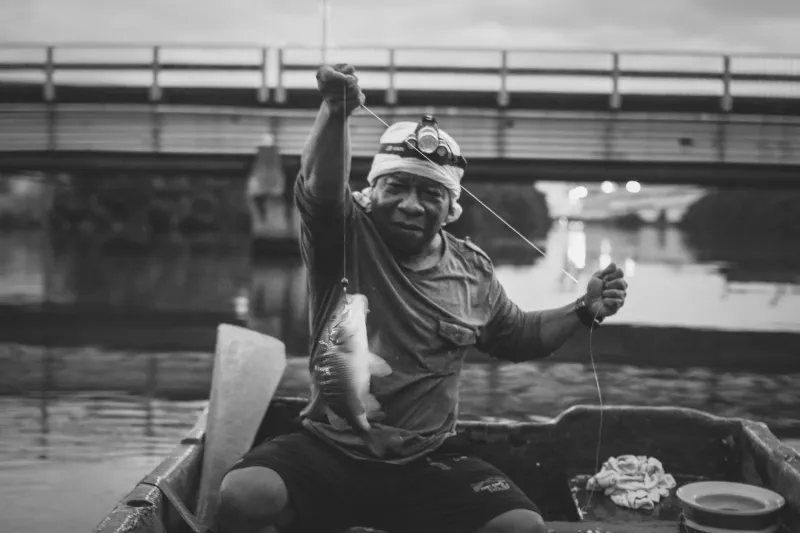
In the pre-dawn mist that clings to the Somerset Levels, Derek Hobbs pulls his weathered punt through the rhynes with the practiced ease of four decades on these waters. His hands, gnarled from years of handling nets and lines, work methodically through the fyke nets he set the evening before. Today's catch is meagre—three silver eels, barely enough to justify the petrol money to market.
"My grandfather would turn in his grave," Derek mutters, lifting an empty trap from the brackish water. "Time was, you'd pull fifty, sixty eels from a single set. Fed families for generations, we did."
The Lifeblood of Working Britain
For centuries, the European eel was as fundamental to British working-class cuisine as bread and dripping. These remarkable creatures, born in the Sargasso Sea and travelling thousands of miles to reach our rivers, sustained communities from the Fens to the Thames estuary. The eel trade wasn't merely fishing—it was a cornerstone of wetland economies, supporting entire villages through techniques passed down through generations.
In Victorian London, eel pie shops dotted the East End like modern coffee chains. The fish provided cheap, nutritious protein for dock workers and factory hands, whilst the jellied eel stalls of Billingsgate became as iconic as any monument. From the Norfolk Broads to the Severn estuary, eel fishermen worked through seasons when other catches failed, their babbing rods and eel spears as essential as any farm tool.
Ancient Arts in Modern Peril
The traditional methods these men employed—fyke netting, babbing, and the delicate art of reading water for eel runs—represent knowledge accumulated over centuries. A skilled eel man could read the subtle signs of weather and water that preceded a good catch, understanding migration patterns that modern science is only beginning to unravel.
"You can't teach this from a book," explains Jim Catchpole, one of the few remaining licensed eel fishermen working the Thames tributaries. "It's in your bones, knowing when they're moving, where they'll be. My father taught me, his father taught him. Chain's breaking now, though."
The techniques themselves are marvels of rural ingenuity. Fyke nets—cone-shaped traps that funnel eels into holding chambers—require precise placement and timing. Babbing, the art of threading worms onto wool and dangling them for eels to snag their teeth on, demands patience that modern life rarely accommodates. These aren't merely fishing methods; they're cultural practices as distinctly British as dry-stone walling or thatching.
The Perfect Storm
The decline hasn't happened overnight. Multiple forces have converged to devastate what was once Europe's most abundant fish species. River modifications—weirs, locks, and flood defences—have blocked ancient migration routes. Agricultural runoff has degraded water quality in the wetlands where young eels mature. Climate change has altered ocean currents that guide their extraordinary journey from spawning grounds to British waters.
Perhaps most critically, changing tastes have eroded demand. Post-war prosperity shifted British palates towards more exotic proteins, whilst the association of eels with working-class cuisine saw them dismissed as "poor man's food." The great eel pie shops closed one by one, taking with them not just businesses but entire cultural traditions.
"Used to be, every pub in Essex served jellied eels," recalls Mary Thornton, whose family ran an eel processing business for three generations. "Now, mention eels to young folk, they pull faces. Lost art, innit?"
Glimmers of Renaissance
Yet something curious is stirring in Britain's restaurants and markets. A new generation of chefs, driven by sustainability concerns and culinary curiosity, are rediscovering eels. High-end establishments now serve smoked eel with reverence once reserved for salmon, whilst farmers' markets see growing interest in traditional preparations.
This revival faces significant challenges. European eel populations have declined by over 95% since the 1970s, leading to strict quotas and licensing requirements. The remaining fishermen are predominantly elderly, their knowledge at risk of dying with them. Young people, understandably, see little future in a trade that offers uncertain returns and regulatory complexity.
Preserving More Than Fish
The question isn't merely whether Britain can save its eel fisheries—it's whether we can preserve the cultural knowledge they represent. These men aren't just fishermen; they're keepers of ancient ecological wisdom, understanding wetland systems in ways that complement modern conservation science.
Some initiatives offer hope. The Environment Agency has begun consulting traditional eel fishermen on habitat restoration projects, recognising their intimate knowledge of river systems. Culinary schools are inviting old-timers to demonstrate forgotten techniques, whilst food historians document recipes and methods before they vanish entirely.
"It's not just about the fish," Derek reflects, securing his punt as morning light spreads across the Levels. "It's about knowing the water, respecting the seasons, living with the land instead of against it. Lose that, and we lose something essential about being British."
The Choice Before Us
As Derek's generation ages out of the eel trade, Britain faces a stark choice. We can allow these traditions to fade quietly into history, or we can recognise that preserving our food heritage requires more than museum displays and cookbook entries. It demands supporting the practitioners who keep these skills alive, creating markets for sustainable catches, and teaching young people that our relationship with the land and water is worth maintaining.
The silver threads that once connected British tables to ancient migration patterns may be fraying, but they haven't snapped entirely. Whether they survive depends not just on conservation efforts, but on our willingness to value traditions that fed our ancestors and shaped our countryside. In the quiet waters of the Somerset Levels, that choice is being made one empty net at a time.