When Private Becomes Common
Come the first of August — Lammas Day in the old calendar — something remarkable happens in a few forgotten corners of Britain. Fields that have been jealously guarded all summer suddenly throw open their gates. Cattle wander freely across what were, just yesterday, private wheat fields and barley crops. Children chase sheep through stubble that belongs, for the next eight months, to everyone and no one.
This isn't trespass or rural anarchy. It's Lammas rights — a medieval system of seasonal commons that has somehow survived the enclosures, the wars, and the relentless march towards private ownership that has defined British agriculture for centuries.
"People think we're mad when we first explain it," laughs Sarah Whitfield, whose family has farmed at King's Somborne in Hampshire for four generations. "But come August, when those gates swing open and the whole village brings their stock onto our stubble, you understand. This isn't just about grass — it's about community."
The Medieval Bargain That Endures
The concept is beautifully simple. From Lammas (1st August) until Lady Day (25th March), certain fields revert to common grazing. Villagers with ancient rights — some dating back to the Domesday Book — can turn their cattle, sheep, and geese onto the stubble. The landowner gets their fields cleared and fertilised for free. The commoners get eight months of grazing that might otherwise cost them hundreds of pounds.
But Lammas lands are vanishing. Where once thousands of British villages practised this seasonal sharing, fewer than a dozen communities maintain active rights. Most fell victim to the great enclosures of the 18th and 19th centuries, when common lands were carved up and privatised in the name of agricultural improvement.
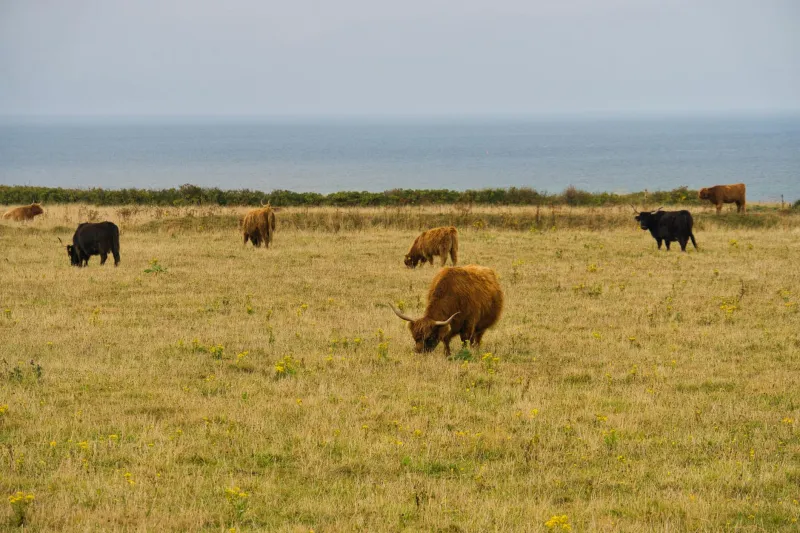
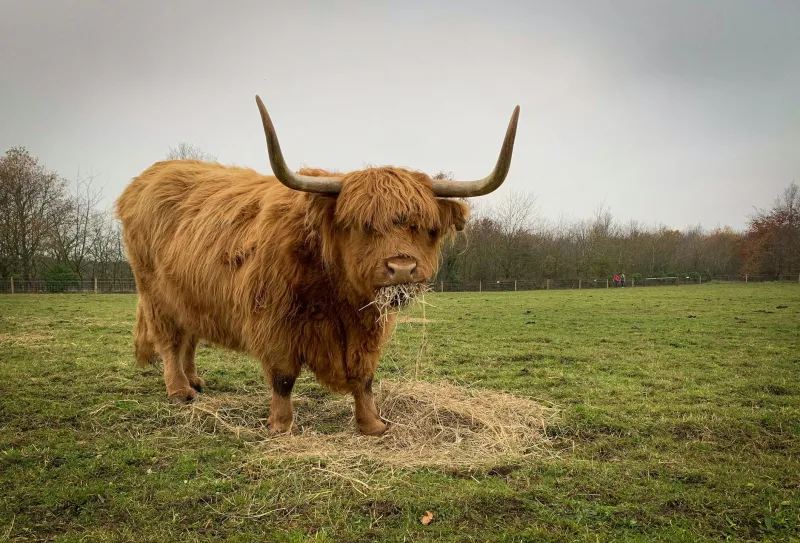
"We're like living fossils," admits Tom Hartwell, who exercises grazing rights inherited from his grandfather on the Lammas lands near Martham in Norfolk. "But we're fossils that work. My Highland cattle get the best winter grazing in the county, and the arable farmers get their fields cleaned up beautifully."
More Than Just Grazing
What strikes you most about these surviving Lammas communities isn't the quaintness — it's how practical they remain. In an age of rising feed costs and environmental scrutiny, the system offers solutions that feel startlingly modern.
The cattle and sheep that graze these seasonal commons aren't just any livestock. They're often rare breeds — hardy animals that can thrive on rough grazing and poor weather. Highland cattle, Hebridean sheep, and ancient breeds of goose find perfect conditions on the aftermath of harvest.
"The stubble and weeds that remain after combining are exactly what these old breeds evolved to eat," explains Dr. Margaret Fleming, who studies traditional farming systems at the Royal Agricultural University. "They're clearing the fields naturally, returning nutrients to the soil, and maintaining genetic diversity that commercial agriculture has largely abandoned."
At Mousehold Heath near Norwich, the Lammas rights support a herd of Konik ponies — semi-feral descendants of wild European horses. Their winter grazing on the common creates the perfect conditions for rare wildflowers and ground-nesting birds come spring.
The Social Fabric of Sharing
But perhaps the most remarkable thing about Lammas lands isn't agricultural — it's social. In communities where these rights survive, you find something increasingly rare in modern Britain: genuine interdependence between neighbours.
"Everyone knows everyone else's animals," says Mary Blackwood, whose family has exercised Lammas rights at Burwell in Cambridgeshire for over 200 years. "If someone's cow gets into trouble, we all help. If the weather turns nasty, we all check on each other's stock. It creates bonds you don't get in normal farming."
The annual ritual of 'turning out' — releasing animals onto the commons — becomes a village celebration. Families gather to watch their cattle and sheep explore their temporary freedom. Children learn to identify animals and understand the rhythms of the farming year.
Challenges in a Changing World
Yet these ancient systems face modern pressures. Insurance companies struggle to understand liability on shared grazing. European subsidy systems weren't designed for seasonal commons. Young people leave rural communities, taking their grazing rights with them.
"We've lost three families with rights in the last decade," admits James Morton, who helps coordinate the Lammas grazing at Kington St. Michael in Wiltshire. "Their rights just lie dormant now. Once that knowledge goes, it's very hard to revive."
Environmental regulations, too, can clash with ancient practices. Modern fertiliser applications must be carefully timed around grazing periods. Organic certification requires detailed records of animals that have traditionally wandered freely between multiple owners.
A Template for Tomorrow
Yet for all their challenges, Britain's surviving Lammas lands offer something precious: proof that collective land stewardship can work. In an age of climate change and biodiversity loss, their example feels prophetic rather than primitive.
"What we're doing here is carbon sequestration, soil improvement, wildlife habitat creation, and community building all rolled into one," reflects Sarah Whitfield. "And we've been doing it for nearly a thousand years. Perhaps it's time the rest of the country caught up."
As autumn settles over Britain's fields and the last combines finish their work, the gates swing open once again on these forgotten commons. Cattle amble onto stubble, children chase sheep through the fading light, and an ancient bargain renews itself for another season. In a world obsessed with innovation, sometimes the most radical thing you can do is remember what worked before.