The First Cut of August
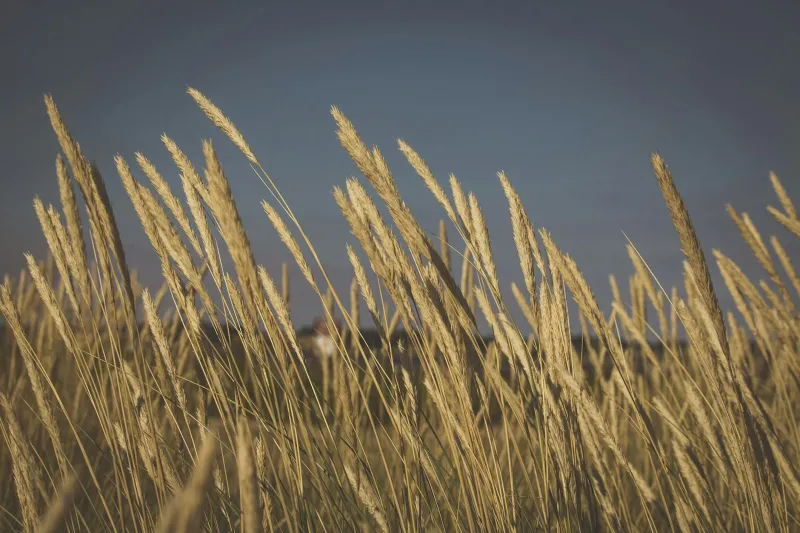
In the rolling fields of Suffolk, dawn on 1st August carries more than morning mist. It carries memory. As combine harvesters begin their steady march through golden wheat, a handful of farmers still pause to remember Lammas — the ancient festival that once marked Britain's most sacred agricultural moment.
"When I cut the first sheaf, I'm not just harvesting grain," explains Tom Whitfield, whose family has farmed the same Cambridgeshire acres for four generations. "I'm completing a conversation that started when my great-grandfather planted his first Red Lammas wheat in 1920."
Whitfield is part of a quiet revolution spreading across Britain's grain belt. From the chalk downs of Wiltshire to the fertile plains of East Anglia, farmers, millers, and bakers are deliberately reviving Lammas traditions — not as museum pieces, but as living practices that connect modern tables to ancient rhythms.
More Than Ceremony
Lammas, derived from the Anglo-Saxon 'hlaf-mass' or 'loaf mass', once bound every farming community in Britain. On 1st August, the first wheat of the harvest was ground, baked into ceremonial loaves, and blessed at the local church. These weren't mere symbols — they were promises. Promises that the harvest would sustain the community through winter, that the cycle of sowing and reaping would continue, that the land itself remained sacred.
"People think of Lammas as quaint tradition," says heritage grain specialist Sarah Pask, who works with the John Innes Centre in Norfolk. "But it was actually sophisticated agricultural wisdom. Communities were celebrating varieties that had proven themselves in local conditions — grains that carried the genetic memory of specific soils, specific climates."
Those varieties — Red Lammas, Maris Widgeon, Old Kent Red — nearly disappeared during the agricultural revolution of the 20th century. High-yielding modern wheats promised efficiency, but at the cost of flavour, local adaptation, and the cultural threads that once wove farming communities together.
The Bakers' Awakening
In a converted mill beside the River Test, baker James Morton is proving that ancient grains offer more than nostalgia. His wood-fired ovens turn heritage wheats into loaves that taste of place — nutty, complex, carrying flavours that modern bread has forgotten.
"When I first baked with Red Lammas wheat grown on Hampshire chalk, it was revelation," Morton explains, his hands dusted with flour milled from grain harvested just miles away. "The bread didn't just taste different — it told a story. You could taste the terroir, the way the grain had adapted to this specific soil over centuries."
Morton's bakery is one of dozens across Britain deliberately seeking out heritage grains. From the Cotswolds to the Scottish Borders, artisan bakers are forging new partnerships with farmers willing to grow old varieties. It's painstaking work — heritage wheats yield less, require more careful handling, demand different milling techniques.
But the results speak for themselves. Bread with character. Loaves that connect eaters to the landscape that created them.
Fields of Memory
At Wakelyns Agroforestry in Suffolk, farmer Martin Wolfe has spent three decades proving that heritage grains can thrive in modern conditions. His fields showcase evolutionary plant breeding — allowing wheat populations to adapt naturally to local conditions rather than forcing uniformity.
"Each field develops its own wheat community," Wolfe explains, walking between plots where Red Lammas mingles with Maris Widgeon and half a dozen other heritage varieties. "After twenty years, the grain from this field tastes subtly different from grain grown just half a mile away. That's terroir in action."
Wolfe's approach mirrors traditional farming wisdom that Lammas once celebrated. Instead of fighting natural variation, he embraces it. The result is grain that's not just productive, but resilient — adapted to local conditions in ways that modern monocultures cannot match.
The Circle Closes
This August, as harvest begins across Britain, dozens of communities will mark Lammas again. Churches in Norfolk villages will bless loaves made from grain grown in sight of their spires. London restaurants will serve bread that carries the flavour of specific Kentish fields. Home bakers will knead dough made from wheat varieties their grandparents might have recognised.
"It's not about going backwards," insists Pask. "It's about moving forwards with wisdom. Understanding that the best bread comes from the marriage of place, season, and skill — the same principles that made Lammas meaningful for a thousand years."
As climate change challenges modern agriculture and consumers hunger for authentic flavours, perhaps Britain's forgotten grain festivals offer more than nostalgia. Perhaps they offer a map back to farming that works with nature rather than against it. Back to bread that tastes of the land that made it.
This Lammas, when you break your morning bread, consider the journey from field to table. Consider the hands that planted, tended, harvested. Consider the mill stones that ground grain into flour, the ovens that transformed flour into sustenance.
Consider that some conversations between land and table are too important to forget.
Finding Lammas Bread
Several UK bakeries now specialise in heritage grain loaves, particularly around harvest time. The Real Bread Campaign maintains a directory of artisan bakers working with local grains, while organisations like the Heritage Grain Trust connect consumers with farmers growing traditional varieties.
For those inspired to bake their own Lammas loaves, heritage grain suppliers like Shipton Mill and Gilchesters Organics offer Red Lammas and other traditional wheats to home bakers willing to experiment with flavours their ancestors knew by heart.