When Dawn Breaks Over Haytor
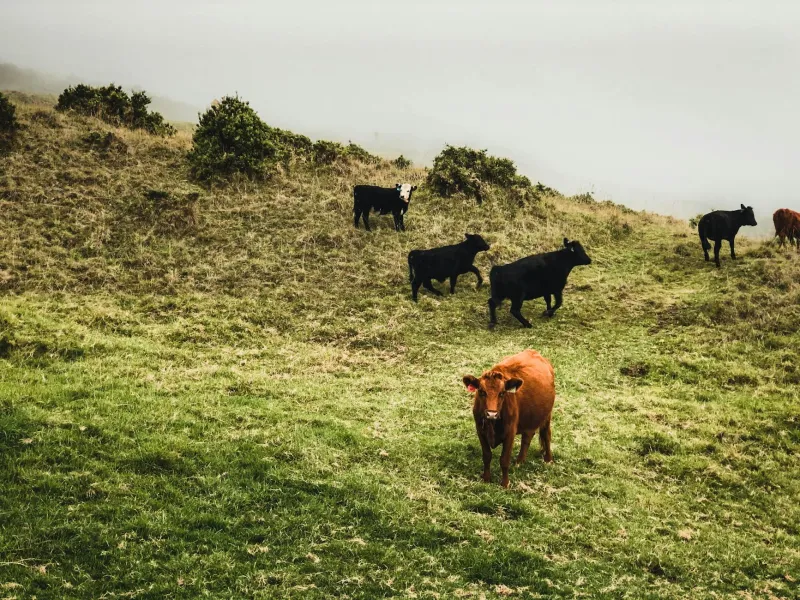
The mist clings to the bracken as Tom Blackmore adjusts his flat cap and surveys the herd scattered across Widecombe Common. At sixty-three, he's led these seasonal drives for four decades, following routes carved by his grandfather's grandfather and countless generations before. The Dartmoor ponies lift their heads as his voice carries across the moor, calling the South Devon cattle to begin their ancient journey.
"People think we're playing at being farmers," Tom says, his weathered hands steady on the reins. "But this isn't theatre. This is how we've always done it, and how we always will."
The Blackmore family represents something increasingly rare in modern Britain: unbroken agricultural continuity. Their seasonal cattle movements across Dartmoor follow patterns established when the moor was divided into ancient parishes, each with carefully negotiated grazing rights that survive in legal documents dating back to the Domesday Book.
The Geography of Tradition
Dartmoor's 368 square miles of moorland present unique challenges that shaped these driving traditions. Unlike the structured enclosures of lowland farming, the moor demands intimate knowledge of weather patterns, water sources, and the subtle gradations of grazing quality that change with elevation and season.
The Blackmores move their cattle—a carefully curated mix of South Devon Rubies and hardy Devon crosses—between winter quarters near Buckfastleigh and summer pastures on the high moor. This isn't mere convenience; it's ecological necessity. The rich grass of the valley floors provides essential nutrition during harsh winter months, whilst the sparse but mineral-rich moorland grazing creates the distinctive flavour that defines true Dartmoor beef.
"The cattle know the routes better than any satnav," explains Tom's daughter Sarah, who's gradually taking over the family operation. "They remember water sources, sheltered spots, the best grazing. It's instinct bred over centuries."
Ancient Rights, Modern Pressures
The legal framework supporting these drives dates to medieval times, when Commoners' Rights were first codified. These ancient privileges—to graze cattle, collect furze, and take granite—created the intricate web of land use that defines Dartmoor today. Yet maintaining these traditions requires constant negotiation with modern realities.
National Park regulations, designed to protect the landscape, sometimes clash with traditional practices. Insurance costs for driving cattle across public land have soared. Access routes once taken for granted now require formal permissions as private landowners change hands.
"Every year brings new challenges," Sarah admits. "But every year, we find ways to adapt whilst keeping the heart of it intact."
The Blackmores have embraced selective modernisation. GPS tracking helps monitor scattered herds across vast moorland, whilst social media connects them with customers seeking authentic Dartmoor beef. Yet the fundamental rhythms remain unchanged: reading weather signs, understanding animal behaviour, moving with the seasons rather than against them.
The Flavour of the Moor
This ancient husbandry produces beef with distinctive characteristics. The combination of mineral-rich moorland grasses, constant movement, and unhurried maturation creates meat with deep flavour and firm texture. Local restaurants prize Dartmoor beef for its complexity—a taste profile impossible to replicate in intensive systems.
In the Blackmore farmhouse kitchen, these flavours translate into traditional recipes that have sustained moorland families for generations. Sarah's slow-braised brisket, cooked overnight in the range with root vegetables from their kitchen garden, represents comfort food at its most elemental. Her clotted cream pasties—a local variation on the Cornish classic—showcase the moor's dual heritage of cattle and dairy.
"You taste the landscape in every bite," she explains, ladling rich gravy over tender beef. "The heather, the granite springs, the salt wind from the coast—it all comes through."
Living Heritage
What sets the Dartmoor drovers apart from heritage demonstrations elsewhere is their commercial viability. These aren't museum pieces preserved in aspic, but working farms adapting ancient practices to contemporary markets. Their success challenges assumptions about industrial agriculture's inevitability.
The Blackmores sell directly to local restaurants, farmers' markets, and a growing network of customers who value provenance over convenience. Their beef commands premium prices not through marketing gimmicks but through genuine quality rooted in traditional methods.
"We're not trying to turn back the clock," Tom reflects, watching his grandson help sort cattle for the summer drive. "We're proving that old ways can work alongside new ones."
The Future of the Drove
As climate change and food security dominate agricultural discussions, the Dartmoor model offers compelling alternatives to industrial farming. Extensive grazing systems require minimal external inputs whilst maintaining biodiversity and landscape character. The cattle drives themselves serve conservation purposes, preventing scrubland encroachment and maintaining the open moorland that defines Dartmoor's character.
Young farmers across Devon are taking notice. Sarah Blackmore now mentors several families interested in reviving traditional practices, sharing knowledge accumulated over generations. Local agricultural colleges have begun incorporating traditional husbandry into their curricula, recognising skills once dismissed as obsolete.
The mist lifts as the herd begins its slow progress across Widecombe Common, following paths worn smooth by countless hooves over countless seasons. In an age of rapid change, the sight offers reassurance that some things endure—not through resistance to progress, but through the quiet confidence of practices proven over time.
For the Blackmores and families like them, every sunrise over Dartmoor brings the same choice: honour the past whilst embracing the future. Their success proves that in the right hands, tradition isn't a burden but a foundation for sustainable prosperity.