The Dawn Patrol
Four-thirty on a September morning in the Lake District, and Tom Alderson is already checking his flock on High Fell. The mist clings to the bracken as his two Border Collies work the slope, their whistled commands echoing off the ancient dry-stone walls. This isn't just farming—it's conservation in its purest form, a dance between shepherd, sheep, and landscape that's been choreographed over a thousand years.
Tom's grandfather worked these same fells, as did his great-grandfather before him. The Herdwick sheep they tend are as much a part of the Lake District as Helvellyn itself, their grey-white fleeces blending into the rocky outcrops like living stones. "People see pretty sheep on a postcard," Tom says, pausing to examine a ewe's hooves. "What they don't see is that without us, half the Lake District would be impenetrable scrubland within a decade."
The Architects of the Uplands
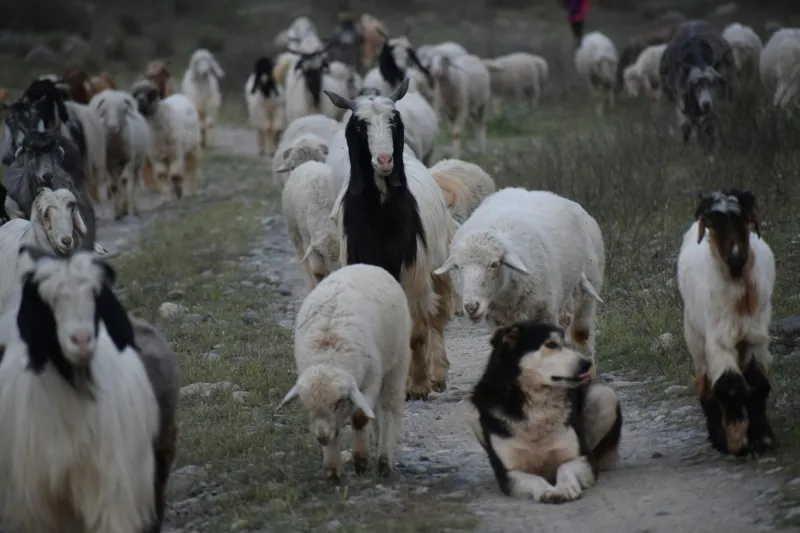
Britain's hill farmers are ecosystem engineers, though they'd never use such fancy terminology. Their flocks of Herdwicks, Swaledales, Scottish Blackfaces, and Welsh Mountains don't just graze—they sculpt. Each bite creates the short, sweet turf that supports rare wildflowers, ground-nesting birds, and the intricate web of life that makes our uplands unique.
The process is deceptively simple. Hardy native breeds, evolved over centuries to thrive on poor pasture and harsh weather, crop the vegetation in patterns that would be impossible to replicate mechanically. They create a mosaic of habitats: closely grazed areas where orchids and gentians flourish, rougher patches where voles shelter, and the network of sheep tracks that prevent erosion on steep slopes.
"A Swaledale ewe knows every inch of her hefted ground," explains Sarah Metcalfe, whose family has farmed in the Yorkshire Dales for six generations. "She'll pass that knowledge to her daughters, and they to theirs. It's a living map of the landscape, written in wool and memory."
The Seasonal Symphony
Spring arrives late on the moors, but when it does, the hills come alive with the bleating of new lambs. This is when the shepherd's year truly begins. The hardy ewes, having survived winter storms that would defeat lowland breeds, drop their lambs on ground their ancestors have grazed for generations.
Summer brings the ancient ritual of gathering—the spectacular sight of shepherds and their dogs bringing flocks down from the high ground for shearing, marking, and worming. It's a skill that takes decades to master, reading the landscape and the flock's behaviour like an open book.
Autumn is tupping season, when rams are turned out with the ewes, and the cycle begins anew. But it's also when many hill farmers face their hardest decisions. With wool prices at historic lows and lamb values barely covering costs, each season could be the last.
Winter tests everything—sheep, shepherd, and the bond between them. While lowland flocks shelter in barns, the hill breeds remain on their hefted ground, their thick fleeces and centuries of natural selection keeping them alive through blizzards that would claim softer stock.
The Plate and the Landscape
The lamb that comes from these hardy flocks is unlike anything produced in intensive systems. Slow-grown on wild herbs, heather tips, and mountain grasses, it carries the taste of the landscape itself. The meat is lean, flavourful, and distinctly seasonal—a true expression of terroir that connects the plate directly to the place.
Chefs are beginning to recognise this connection. "Herdwick lamb tastes of the fells," says Marcus Thompson, head chef at a Michelin-starred restaurant in Windermere. "You can taste the wild thyme, the mountain air. It's not just protein—it's the landscape on a plate."
The Gathering Storm
Yet this ancient system faces unprecedented challenges. Brexit has disrupted subsidy payments that often mean the difference between survival and surrender. Climate change brings unpredictable weather patterns that test even these hardy breeds. Most critically, the next generation is walking away.
"My son's at university studying engineering," Tom admits, watching his Herdwicks move across the fell. "Can't blame him. There's no money in this anymore, and the work's getting harder every year."
The statistics are stark. Britain has lost 40% of its hill farms in the past three decades. Each closure doesn't just end a family tradition—it begins the ecological unravelling of landscapes that took millennia to create.
What We Stand to Lose
Without grazing, the uplands transform rapidly. Bracken advances, scrubland takes hold, and the diverse plant communities that support everything from butterflies to grouse disappear. The tourist industry, worth billions to rural economies, depends on landscapes maintained by sheep that many visitors barely notice.
More profoundly, we lose a way of understanding the land that can't be replicated in textbooks. The knowledge of weather patterns, plant succession, and animal behaviour accumulated over generations disappears when the last shepherd leaves the hills.
A Future in Balance
Yet there are reasons for hope. New payment schemes reward farmers for environmental benefits rather than just production. Consumers increasingly value provenance and sustainability over price alone. And a growing movement recognises that the future of conservation lies not in excluding people from landscapes but in supporting those who shape them sustainably.
"We're not museum pieces," Sarah Metcalfe insists. "We're the future of land management, if people will let us be."
As autumn mist rises from the valleys and the first frost touches the high ground, the ancient partnership between shepherd and sheep continues. Each day they write another page in Britain's longest-running story of sustainable agriculture, one flock, one fell, one carefully tended acre at a time.
The question isn't whether we can afford to support our hill farmers—it's whether we can afford to lose them.