The Authentic Dram Revolution
In the rolling farmland of Aberdeenshire, John Stirling walks through fields of Golden Promise barley, running the grain through weathered fingers. This isn't just any barley — it's the same variety that built Scotland's whisky reputation, before industrial agriculture discarded it for higher-yielding modern strains. "Flavour was sacrificed for efficiency," Stirling reflects, watching the wind ripple through his heritage crop. "We're bringing it back, one field at a time."
Stirling's Burnside Farm Distillery represents a growing movement across Scotland: producers who refuse to accept that great whisky begins with anonymous grain from commodity markets. Instead, they're closing the loop between field and still, creating spirits that capture not just alcohol but the very essence of Scottish terroir.
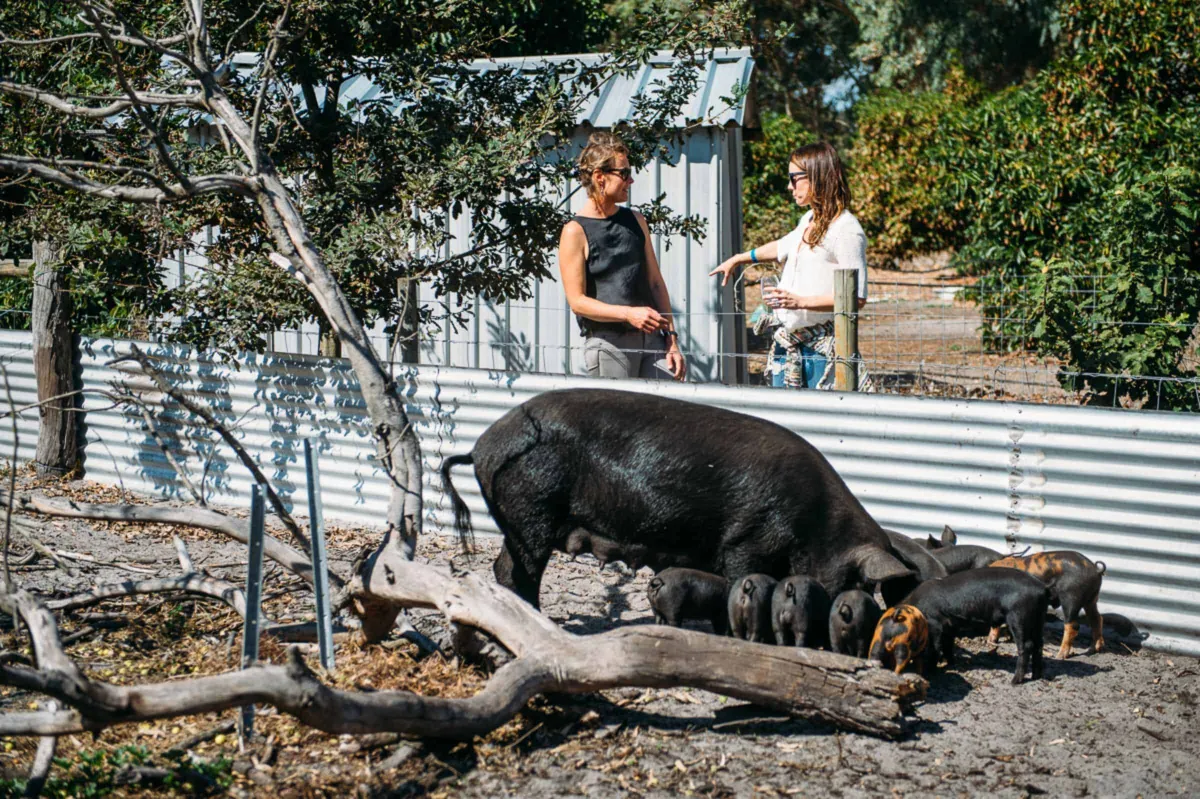 Photo: Burnside Farm Distillery, via burnsideorganicfarm.com.au
Rediscovering Forgotten Varieties
For decades, whisky production became increasingly divorced from agriculture. Distilleries bought malted barley from industrial suppliers, prioritising consistency and cost over character. Heritage varieties like Golden Promise, Plumage Archer, and Spratt-Archer — each with distinct flavour profiles developed over generations — vanished from commercial production.
Today's farm distillers are reversing this trend. At Daftmill in Fife, the Cuthbert brothers grow their own barley on the same fields their family has farmed for generations. "Every season tastes different," explains Francis Cuthbert. "Wet years produce different sugars than dry ones. Our whisky reflects these variations — it's alive, not standardised."
The commitment runs deep. These producers select varieties for flavour characteristics, not yield. They accept lower harvests in exchange for complex, distinctive spirits. Some, like Waterford in Ireland and now several Scottish operations, create single-field whiskies, proving that location matters as much in whisky as it does in wine.
The Lost Art of Floor Malting
Beyond growing their own grain, farm distillers are reviving traditional malting techniques nearly extinct in commercial production. Floor malting — spreading barley on stone floors, turning it by hand with wooden shovels, controlling germination through skill rather than computer programs — produces fundamentally different results than industrial drum malting.
At Kilchoman on Islay, they maintain one of Scotland's few working floor maltings. "The barley speaks to you," says head maltman Eddie MacAffer. "You smell when germination begins, feel the temperature rising, judge by touch when to halt the process. Machines can't replicate that intuition."
The difference appears in the glass. Floor-malted grain produces more complex enzymes, different protein structures, subtle flavours that industrial processes eliminate. It's labour-intensive, requiring constant attention, but the results justify the effort. These whiskies possess depth and character that mass-produced spirits simply cannot match.
Peat: The Soul of the Landscape
Perhaps nowhere is the connection between land and liquid more apparent than in peat selection. Industrial distilleries source peat from commercial suppliers, standardising smoke levels for consistency. Farm distillers cut their own peat, understanding that different bogs impart different flavours.
On Orkney, Highland Park still cuts peat from Hobbister Moor, where heather roots create distinctive honeyed smoke. The distillery's team knows every section of the bog, selecting peat based on plant composition, age, and moisture content. "This peat can't be replicated elsewhere," explains master distiller Gordon Motion. "It's our signature, written in the landscape."
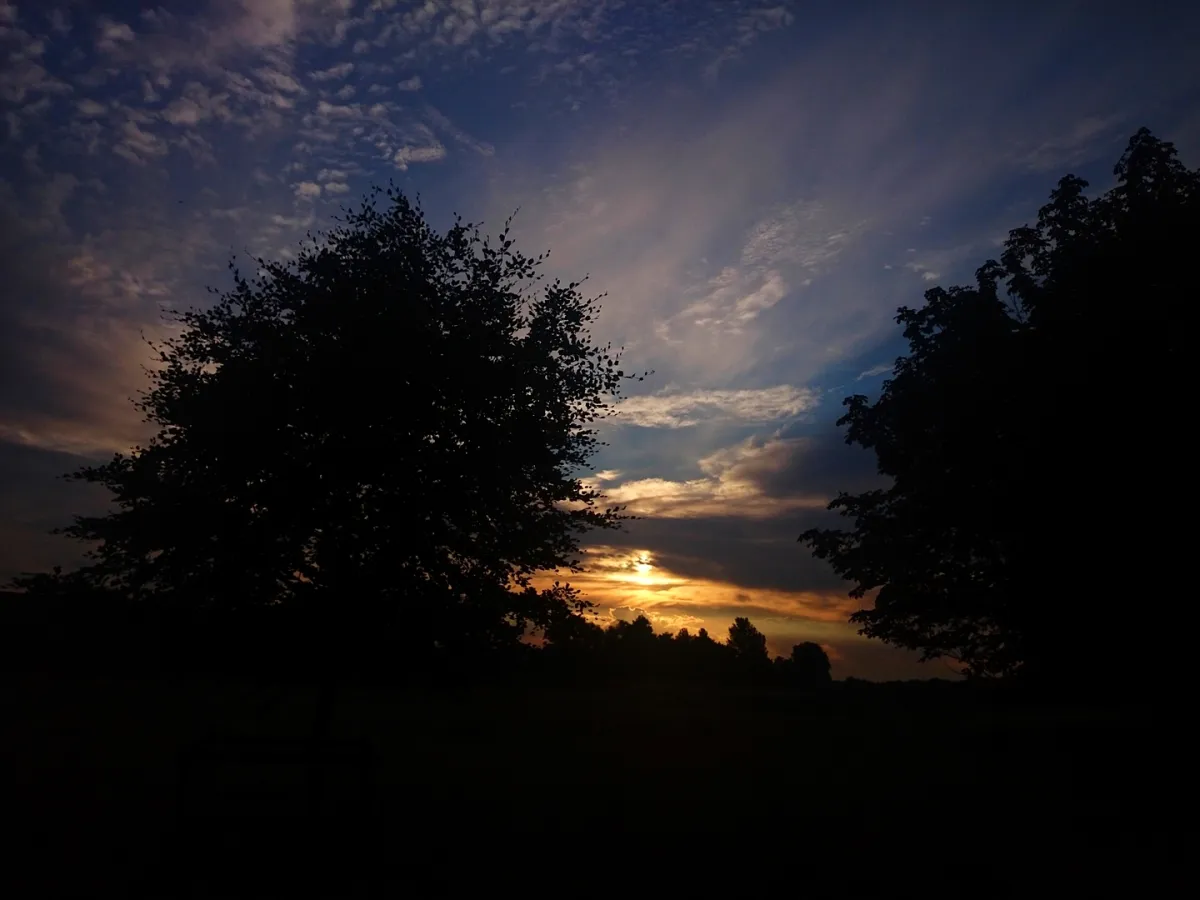 Photo: Hobbister Moor, via friendsofhobmoor.org.uk
Other farm distillers are exploring previously unknown peat sources. Some experiment with different plant compositions — bog cotton versus heather, sphagnum moss versus grass. Each creates unique flavour profiles, expanding whisky's aromatic vocabulary beyond traditional Islay smoke.
Seasonal Rhythms and Ancient Wisdom
Farm distilleries operate on agricultural rhythms lost to industrial production. Harvest determines production schedules. Weather affects not just barley quality but fermentation characteristics. Traditional knowledge — passed down through farming families — guides decisions that computer algorithms cannot make.
At Lone Wolf in Ellon, the distillery adjusts production based on barley moisture content, fermentation temperature, even atmospheric pressure. "Our ancestors understood these connections," notes master distiller David Stirk. "We're rediscovering wisdom that industrial production discarded."
This seasonal approach creates natural variation that purists celebrate. No two batches taste identical, reflecting the unique conditions of their creation. It's the antithesis of industrial consistency — and increasingly, it's what discerning drinkers seek.
The Taste of Place
The results speak for themselves. These farm whiskies possess distinctive character that reflects their origins. Coastal distilleries capture salt air and seaweed. Highland operations express heather and granite. Lowland producers showcase rich agricultural soils and gentle climates.
Tasting notes read like landscape descriptions: "morning mist over barley fields," "peat smoke drifting across moorland," "apple orchards in autumn sunshine." These aren't marketing fantasies — they're genuine expressions of place, captured through traditional methods and passionate craftsmanship.
Challenges and Rewards
The farm distillery movement faces significant obstacles. Growing your own barley requires agricultural expertise alongside distilling knowledge. Weather can destroy crops, affecting production for years. Traditional methods demand higher labour costs and longer timescales.
Regulatory challenges complicate matters. Planning permissions, environmental regulations, and tax structures often favour large-scale operations. Small producers navigate complex bureaucracy whilst managing farms and distilleries simultaneously.
Yet demand continues growing. Whisky enthusiasts increasingly seek authentic expressions over manufactured consistency. Premium prices reward quality and story. International markets embrace Scottish terroir as eagerly as they do French wine regions.
The Future of Scottish Spirit
As climate change and supply chain disruptions threaten industrial agriculture, farm distilleries offer resilient alternatives. Local production reduces transportation costs and carbon footprints. Heritage varieties preserve genetic diversity. Traditional knowledge maintains skills that mechanisation cannot replace.
These distillers aren't rejecting progress — they're defining it differently. Success means creating exceptional spirits that capture Scotland's landscape in liquid form. It's a return to whisky's agricultural roots, proving that the best drams still begin where they always have: in Scottish soil, tended by Scottish hands, distilled with Scottish passion.
In an age of global brands and industrial efficiency, farm distillers are writing a different story — one that tastes unmistakably of home.