The Thunder of Ten Thousand Hooves
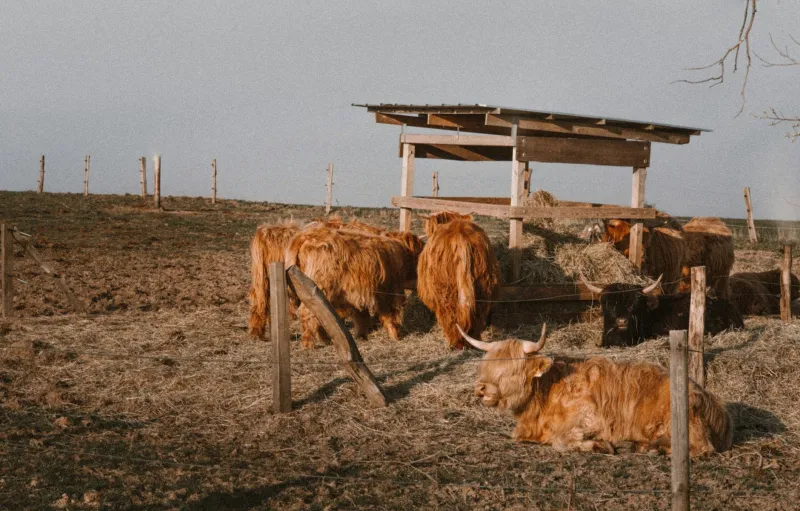
Stand quietly on the Lairig Ghru pass in the Cairngorms on a misty morning, and you might almost hear them still—the thunderous passage of Highland cattle that once flowed like a living river through Scotland's mountain passes. These weren't the romantic Highland coos of tourist postcards, but lean, hardy beasts driven by weathered men on a journey that would reshape Britain's culinary landscape forever.
The great cattle drives of the 17th to 19th centuries represent one of our most extraordinary agricultural traditions, yet their story remains largely untold beyond the dusty pages of local history books. From the remote glens of Skye to the rolling hills of Powys, thousands of cattle embarked each autumn on epic journeys that could stretch over 400 miles, following ancient tracks that are now among our finest walking routes.
Following the Ancient Paths
Today's ramblers treading the Pennine Way or exploring the quiet lanes of Shropshire are often walking in the literal footsteps of history. The droving routes—known as 'green roads' in Wales and 'drove roads' in Scotland—form an intricate web across Britain's uplands, many now designated as public footpaths or bridleways.
Take the famous route from Crieff to Falkirk, once Scotland's great cattle highway. Modern walkers can still follow much of this ancient path, passing through landscapes that haven't changed dramatically since the days when Highland drovers guided their charges towards the great cattle fairs of central Scotland. The old stance fields where cattle rested overnight have become village greens, whilst the inns that once refreshed both man and beast now welcome today's hikers.
"The landscape still bears the scars and stories of the droving trade," explains Dr. Margaret Campbell, a historian who has spent decades mapping Scotland's drove roads. "You can read the history in the width of the tracks—they needed to accommodate not just cattle, but the packhorses carrying provisions, and the drovers themselves walking alongside."
The Men Who Made the Journey
The drovers themselves were remarkable characters—part cowboy, part navigator, part diplomat. They needed to know not just the geography of Britain's wildest places, but the complex web of tolls, markets, and local customs that governed the trade. Many were Gaelic speakers venturing into an increasingly English-speaking world, carrying letters and news between remote communities.
James MacDougall, whose great-great-grandfather was a drover from Mull, still farms the family croft today. "My ancestor would set off each September with maybe fifty head of cattle, walking them all the way to the markets at Crieff or even further south to England. It wasn't just about moving livestock—these men were the internet of their day, carrying information, money, and goods between communities that might otherwise be cut off for months."
The drovers developed their own culture and customs. They slept rough under the stars, wrapped in their plaids, or sought shelter in the network of drovers' inns that sprang up along the major routes. These establishments, many of which survive today as country pubs and hotels, were specifically designed to cater for the trade—with large yards for cattle, stabling for horses, and communal rooms where drovers could share news and plan their onward journeys.
Shaping the Landscape We Love
The impact of the droving trade on Britain's countryside cannot be overstated. The routes themselves carved permanent tracks across our uplands—many now cherished as some of our finest walking paths. The Ridgeway, parts of the Pennine Way, and countless green lanes in Wales all bear the imprint of centuries of cattle movement.
More subtly, the trade shaped the very genetics of our landscape. Scottish Highland cattle, hardy beasts capable of surviving the long journey south, were gradually improved through selective breeding. The famous Blackface sheep that now dot our hills were often driven alongside the cattle, creating the mixed farming systems that define much of upland Britain today.
The droving routes also created Britain's first truly national food distribution network. Cattle fattened on the sweet grass of English lowlands had begun their lives on the rough grazings of Scottish islands or Welsh mountains. This movement of livestock created a culinary connection between regions that persists today—the beef that graced Georgian dinner tables in London might well have started life gazing across the Sound of Sleat.
Walking with Ghosts
For today's countryside enthusiast, following the old drove roads offers a unique way to connect with our agricultural heritage. The ancient track from Dolgellau to Shrewsbury takes modern walkers through some of Wales' most spectacular scenery, whilst the drove road from Skye to Falkirk reveals the grandeur of the Scottish Highlands from a perspective unchanged since the 18th century.
Local walking groups and heritage organisations now organise 'droving walks'—multi-day treks that follow the historic routes whilst exploring their cultural significance. These aren't just nostalgic rambles, but genuine opportunities to understand how our ancestors moved food across vast distances using nothing but their own knowledge and determination.
The Legacy Lives On
Whilst the great cattle drives ended with the coming of the railways, their legacy endures in unexpected ways. Many of Britain's finest country pubs began life as drovers' inns, their thick walls and large fireplaces testimony to their origins. The wide verges of many Highland roads were designed to accommodate cattle being driven to railheads, whilst the genetic heritage of our native breeds still carries the influence of those hardy travelling herds.
Perhaps most importantly, the drove roads remind us that our countryside has always been a working landscape, shaped by the need to move food from producer to consumer. In an age of global supply chains and industrial agriculture, there's something profoundly moving about walking these ancient paths and remembering a time when feeding Britain required nothing more sophisticated than strong legs, local knowledge, and an unshakeable understanding of the land.
The next time you're planning a countryside walk, consider following in the footsteps of those who truly knew every hill, stream, and pasture. The drove roads are waiting, and they have stories to tell.