Pass the Plate: The Farm Supper Clubs Closing the Gap Between Field and Fork
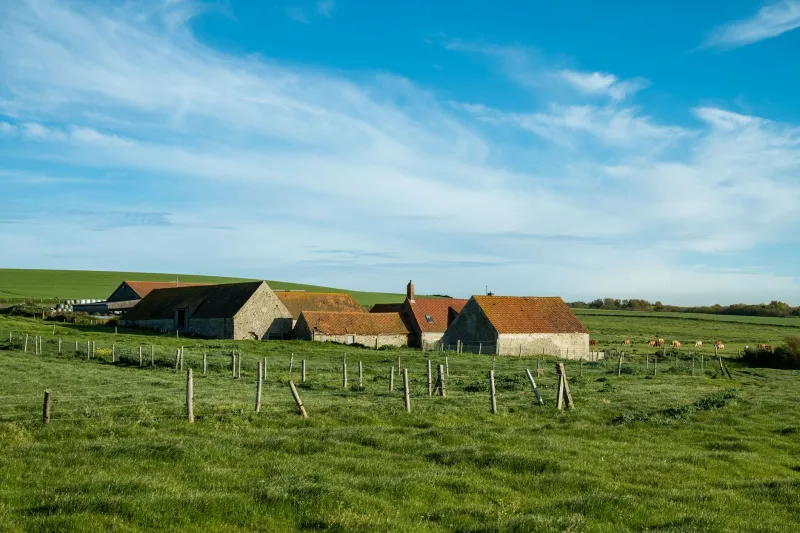
There's a moment, somewhere between the soup course and the main, when it tends to happen. A guest sets down their fork, glances out of the barn window at the field they drove past twenty minutes ago, and says something like: I had no idea it was like this. It happens at almost every farm supper club, according to the people who run them. And it's precisely why they keep doing it.
Farm-hosted supper clubs — invitation-only, intimate, often unlicensed in the traditional sense — have been quietly multiplying across rural Britain. They are not pop-ups. They are not agritourism packages dressed up in linen tablecloths. At their best, they are something closer to an act of faith: a farmer cooking their own produce, at their own table, for people who've never met a farmer before.
Bread Broken, Trust Built
Jemima Holt farms just under 80 acres of mixed pasture in the Shropshire hills. Three years ago, frustrated by what she describes as the "invisible wall" between her gate and the people eating her lamb in city restaurants, she started hosting monthly suppers in her stone-floored kitchen. Eight guests, one long table, three courses built entirely from the farm.
"The first one was terrifying," she admits. "I'm not a chef. I'm a farmer who can cook. But that's actually the point — people aren't coming for cheffy food. They're coming because they want to understand where it's from."
Holt's menus are seasonal to the point of inflexibility. In autumn, guests might eat mutton broth made from an old ewe, followed by slow-braised shoulder with root vegetables pulled that morning. In spring, there's milk-fed lamb and the first of the kitchen garden's broad beans. There is no menu card. She simply tells people what they're eating and why she chose it. The conversation that follows, she says, is worth more than any marketing campaign she could run.
This is the thing that separates farm supper clubs from the broader farm-to-table trend: proximity. Not just physical proximity — though eating thirty metres from the field where your dinner was grazing does concentrate the mind — but the proximity of the person who grew it sitting across the table from you, answering questions, telling you about the drought last summer, explaining why the carrots are smaller this year.
Something Older Than Restaurants
There's a historical argument to be made that this is simply how food used to work. Before supply chains stretched to invisibility, before supermarkets created the fiction of endless, sourceless abundance, food was local by necessity and social by nature. The harvest supper, the sheepdog trial tea, the farmhouse kitchen open to neighbours and labourers — these were not quaint traditions. They were the operating system of rural life.
What the modern farm supper club does is revive the spirit of that system without pretending the intervening century hasn't happened. The farmers running these evenings are not nostalgists. They're pragmatists who've worked out that the most powerful way to communicate the value of what they produce is to cook it themselves and hand it to someone in person.
Daniel Okafor, who runs a regenerative market garden in Norfolk with his partner, started hosting suppers after a particularly bruising season of wholesale prices that barely covered costs. "We were growing extraordinary food and getting paid ordinary money for it," he says. "Hosting suppers changed the economics completely — but more than that, it changed how we felt about the work."
His guests arrive to find a table set among the polytunnels. The meal is vegetable-led and extraordinary in its specificity: heritage tomatoes explained by variety and flavour profile, squash roasted with fat rendered from a neighbour's rare-breed pigs, salad leaves that have no name most people recognise. Guests leave with seed packets and a list of where to find similar produce locally.
The Guest's Side of the Table
It would be easy to caricature the guests at these events — city professionals in search of rural authenticity, guilty about their food choices, looking for absolution over a bowl of broth. The reality is more varied and more interesting.
Many guests are people who grew up in the countryside and feel disconnected from it. Others are professionals in food-adjacent industries — buyers, chefs, food writers — who want a more honest relationship with their supply chains. Some are simply curious. A fair number, farmers note, arrive slightly defensive and leave converted.
"I had a man last autumn who spent the first hour telling me he thought farming subsidies were a waste of money," says Holt, with a laugh that suggests this is not an unusual experience. "By the time we'd finished eating he was asking me how he could get his firm's canteen to buy direct from farms like mine. The food did that. I couldn't have argued him round — but the meal did."
That's the cultural significance of these evenings that goes beyond the plate. In a moment when trust between countryside and city is threadbare — when arguments about land use, rewilding, food imports, and farming subsidies play out in newspapers with neither side truly understanding the other — sitting down together and eating the same food has a quiet, almost unreasonable power.
What Makes It Work
Not every farm supper club succeeds. Some try to be too much — too polished, too expensive, too performative. The ones that endure, the farmers who run them agree, are the ones that stay honest. The table doesn't need to be beautiful. The food doesn't need to be technically flawless. What it needs is authenticity: the sense that this is genuinely how this family eats, grown from this particular piece of ground.
There are practical considerations too. Licensing, food hygiene regulations, and insurance all require attention. Several farmer-cooks operate under the radar, accepting donations rather than charging formally. Others have worked through local authorities to establish proper frameworks. The regulatory picture is patchy, and a clearer national approach would help the sector grow.
But grow it will. Because something about the current moment — the anxiety about food systems, the hunger for connection, the sense that the distance between producer and consumer has become unhealthy — is pushing people towards exactly this kind of evening. A long table. A farmer at the head of it. Food that came from the land outside the window.
Perhaps that's the oldest story in British food. It just needed someone to set the table again.