The Return to Stone and Shadow
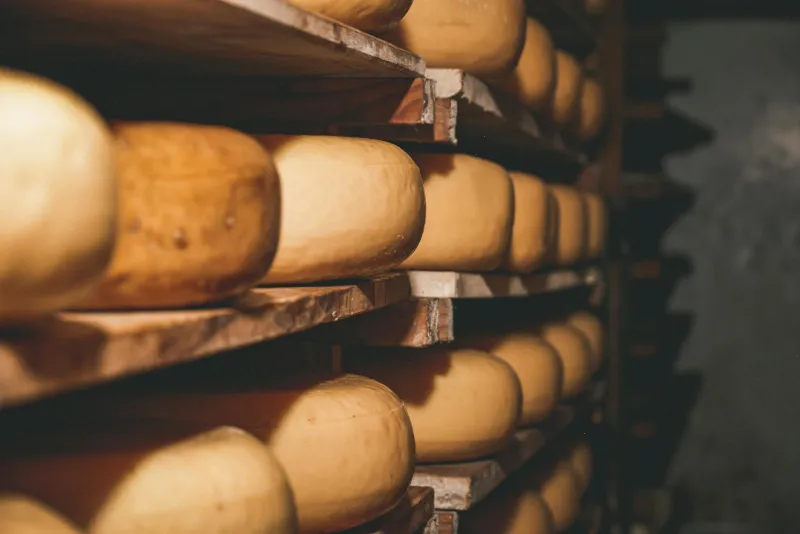
Deep beneath a Somerset hillside, wheels of cheddar rest in chambers carved by generations of quarrymen. The air tastes of mineral water and ancient stone, carrying the kind of natural humidity that no modern facility can replicate. Here, at Westcombe Dairy's underground ageing rooms, Tom Calver tends cheeses that breathe with the rhythm of the earth itself.
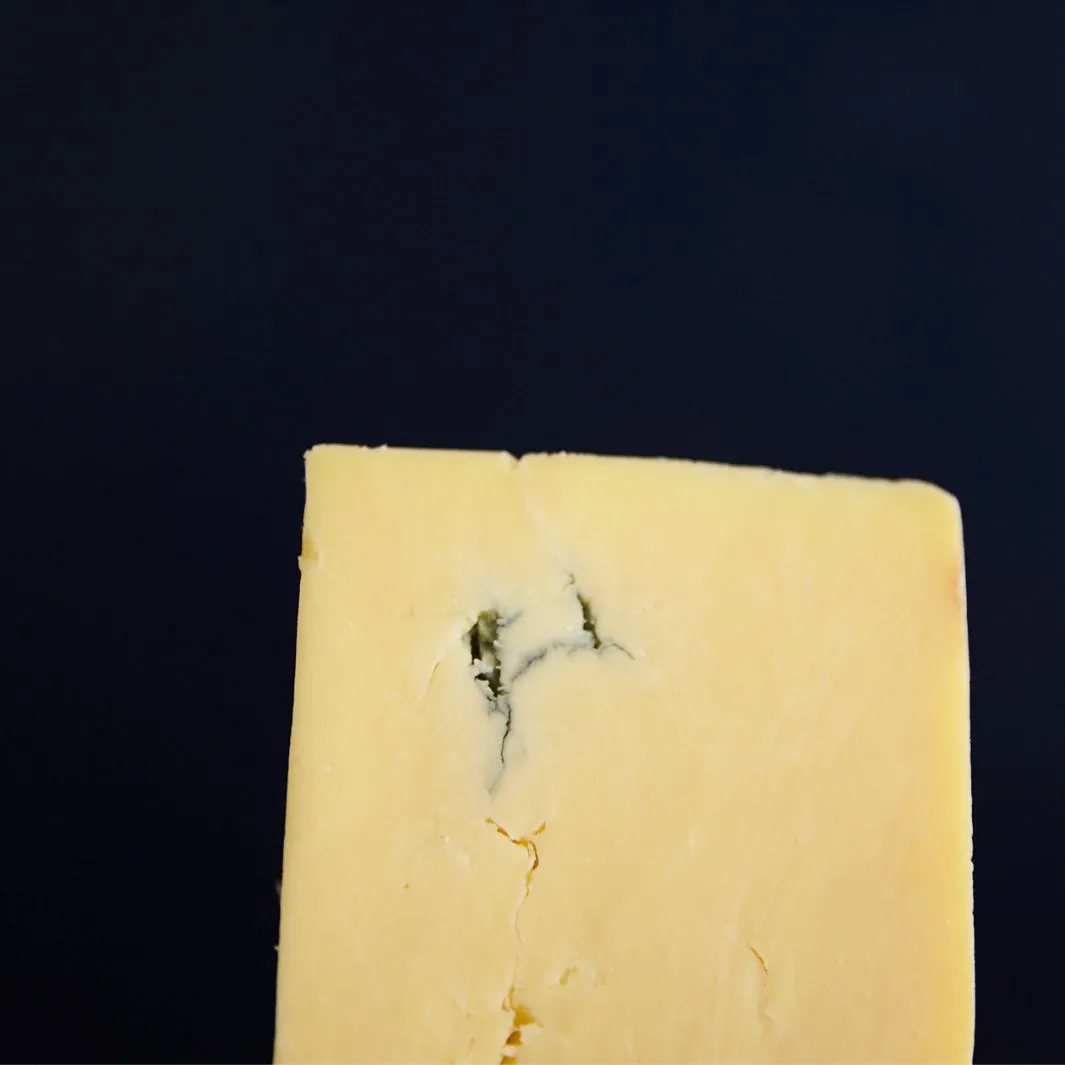 Photo: Westcombe Dairy, via www.nealsyarddairy.co.uk
"You can't manufacture this environment," Calver explains, running his hand along wheels that bear the grey-green bloom of native cave moulds. "These limestone caverns have been ageing cheese for over a century. The temperature never varies more than a degree year-round, the humidity is perfect, and the native microflora creates flavours we simply cannot achieve above ground."
Across Britain, a growing band of cheesemakers is abandoning temperature-controlled warehouses for the subterranean chambers that once defined regional dairy character. From Yorkshire's natural limestone caves to converted railway tunnels in the Welsh valleys, these underground pioneers are rediscovering what their great-grandparents knew: that the finest cheeses are born not just from milk and skill, but from place itself.
Ancient Wisdom, Modern Rebellion
The movement represents more than nostalgia—it's a direct challenge to the industrialisation that swept through British dairy in the post-war decades. When factory farming and controlled environments promised consistency and efficiency, traditional cave ageing was abandoned as unpredictable and old-fashioned.
Yet what was lost in that transition, argues Yorkshire cheesemaker Andy Swinscoe of The Wensleydale Creamery, was the very soul of regional cheese. "Every cave system creates its own microclimate," he explains from within the natural limestone caverns beneath his dairy. "The indigenous moulds, the mineral content of the stone, even the way air moves through the chambers—it all imparts character that defines not just our cheese, but our place."
Swinscoe's Wensleydale wheels spend months in caves where the temperature holds steady at 8°C, wrapped in the kind of natural humidity that encourages the development of complex flavour compounds. The result is cheese that tastes unmistakably of the Yorkshire Dales—mineral, grassy, with a depth that speaks of limestone pastures and ancient stone.
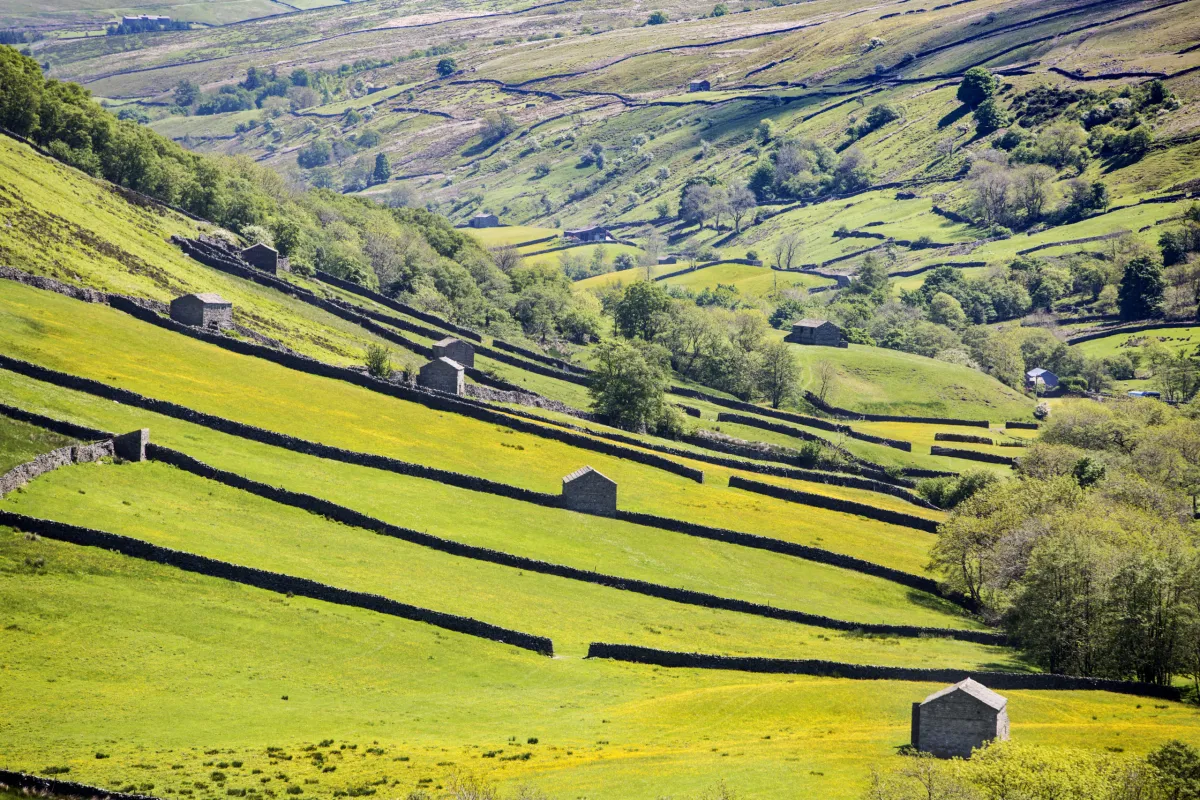 Photo: Yorkshire Dales, via www.yorkshiredales.org.uk
The Taste of Time and Place
What exactly does cave-aged cheese offer that its warehouse cousins cannot? The answer lies in the slow dance between cheese and environment that unfolds over months in these underground chambers.
Native cave moulds—Penicillium species that have colonised these spaces for centuries—work differently from the standardised cultures used in modern facilities. They develop more slowly, creating complex networks of flavour that penetrate deep into the cheese. The constant temperature and humidity allow for the kind of gradual moisture migration that develops the crystalline texture prized in aged hard cheeses.
"It's the difference between listening to music on a phone speaker and hearing a live orchestra," explains Sarah Stewart, whose Scottish Highland cheeses age in converted sandstone cellars near Inverness. "The flavours are deeper, more nuanced. You can taste the patience."
Stewart's cave-aged Highland Blue develops a complexity that has caught the attention of Michelin-starred chefs across Scotland. The sandstone cellars, originally carved for storing whisky, provide the perfect environment for the slow development of the cheese's characteristic blue veining and nutty, mineral finish.
Challenges in the Dark
Yet the path back to traditional cave ageing is fraught with challenges that explain why so many producers abandoned it decades ago. Food safety regulations designed for industrial facilities often struggle to accommodate the natural variability of cave environments. Insurance companies balk at covering products aged in uncontrolled conditions. And the financial reality is stark—cave ageing ties up capital for months longer than standard processes.
"Every wheel is a gamble," admits Tom Calver. "We lose more cheese to natural spoilage than any modern facility would tolerate. But what we gain in the successful wheels more than compensates. These cheeses command premium prices because they offer something genuinely unique."
The market seems to agree. Cave-aged British cheeses are finding eager customers among restaurants seeking authentic provenance and consumers willing to pay for genuine craft. Harrods' cheese counter now features a dedicated section for cave-aged varieties, while specialist shops report waiting lists for limited production wheels.
The Future Underground
As the movement grows, a new generation of cheesemakers is exploring creative adaptations of the cave-ageing principle. Converted railway tunnels in Wales house wheels of Caerphilly that develop their characteristic lemony tang in the cool, humid darkness. Disused mine shafts in Cornwall are being transformed into ageing chambers for local goat's cheeses.
Perhaps most ambitiously, a collective of small producers in the Cotswolds has pooled resources to restore a network of medieval stone cellars, creating a shared cave-ageing facility that allows smaller makers to access the benefits of underground maturation without the prohibitive individual investment.
"We're not trying to turn back the clock," insists Andy Swinscoe. "We're using ancient wisdom to create something entirely contemporary. These cheeses couldn't exist without modern understanding of food safety and quality control, but they're rooted in techniques that predate industrialisation."
The revival of cave ageing represents something larger than cheese—it's part of a broader rediscovery of place-based food production that values character over consistency, story over standardisation. In an age of global supply chains and identical products, these underground chambers offer something increasingly rare: the authentic taste of somewhere specific.
As Britain's artisan food movement continues to mature, the ancient caves and cellars that once defined regional food character are proving that sometimes the oldest solutions are the most innovative. Deep beneath the ground, in chambers carved by water and time, the future of British cheese is taking shape in the darkness.