The Underground Architecture of Flavour
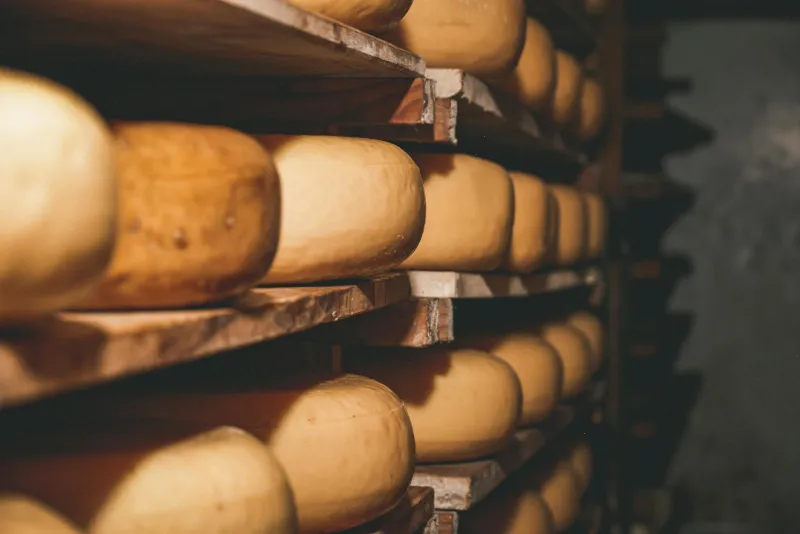
Three metres beneath John Hargreaves' farmyard in Upper Wensleydale, the temperature holds steady at eight degrees Celsius year-round. The humidity hovers at precisely 85 per cent. No electric bills, no mechanical failures, no carbon footprint — just the patient breathing of Yorkshire limestone that has been conditioning cheese for eight centuries.
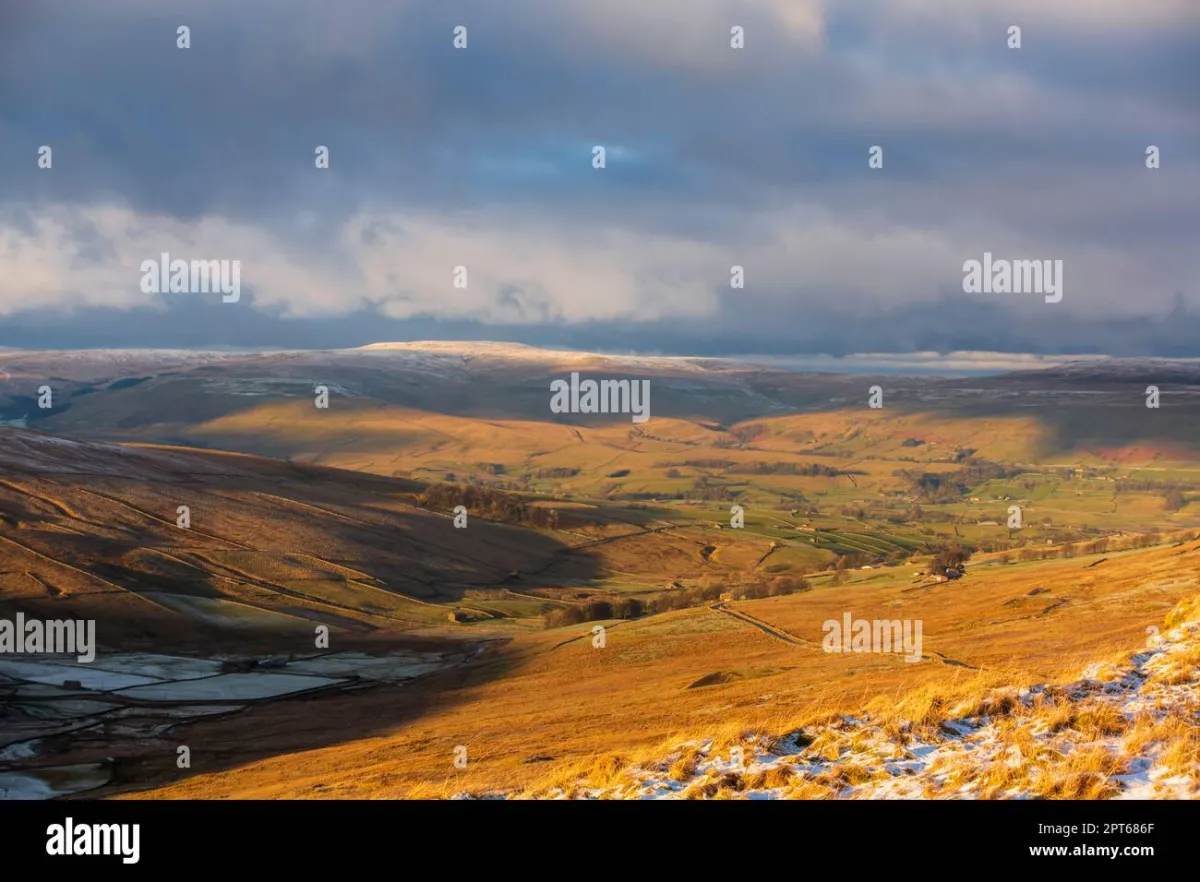 Photo: Upper Wensleydale, via c8.alamy.com
"My grandfather sealed this entrance in 1962," Hargreaves explains, running his hand along the rough-hewn walls of what was once the farm's principal cheese store. "Said refrigeration was the future. Took me forty years to realise he might have been wrong."
Across the Yorkshire Dales, a quiet revolution is happening underground. Artisan cheesemakers are reopening limestone caves, converting old mine shafts, and even excavating new chambers to age their wheels in conditions that no modern technology can replicate. The results speak for themselves: cheese with complexity that develops over months, not weeks, in environments where beneficial moulds and bacteria create flavour profiles impossible to achieve above ground.
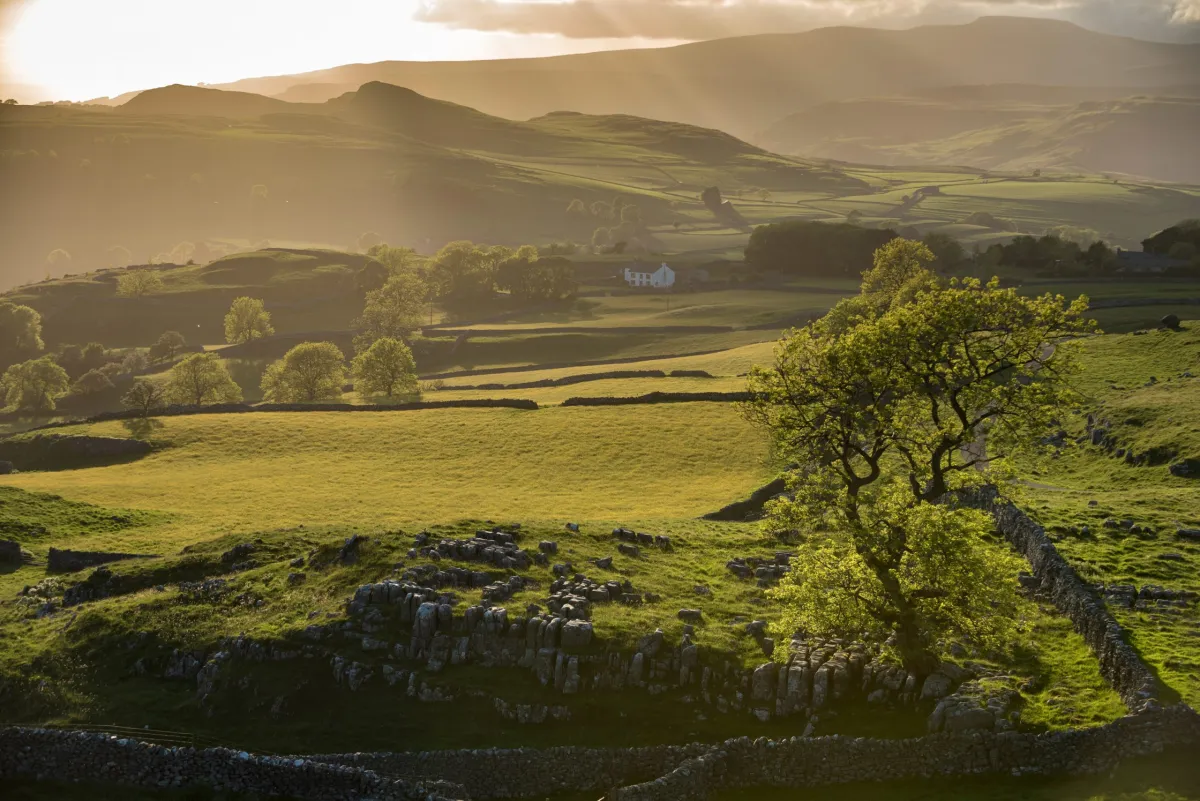 Photo: Yorkshire Dales, via www.yorkshiredales.org.uk
The Geology of Great Cheese
The Yorkshire Dales sit atop some of Britain's most perfect cheese-ageing geology. Carboniferous limestone, laid down 350 million years ago, creates natural temperature regulation through thermal mass whilst maintaining consistent humidity through its porous structure. The rock breathes, allowing just enough air circulation whilst protecting cheese from the temperature swings that destroy delicate bacterial cultures.
"It's not just about storage," explains Dr Sarah Pemberton, a food scientist who has studied traditional cheese caves across Europe. "These limestone environments create unique microclimates. The mineral content of the rock, the native moulds in the stone, even the way air moves through the chambers — it all contributes to flavour development you simply cannot achieve in a modern cold room."
At Thornton Dale Creamery, cheesemaker Emma Richardson has spent three years developing her underground ageing program. Her cave-aged Yorkshire Blue develops a complexity that surprises even veteran cheese judges. "The same milk, the same starter cultures, the same recipe — but six months in the cave creates something completely different from our conventional storage," she notes, breaking open a wheel that reveals veining like marbled paper.
Rediscovering Ancient Knowledge
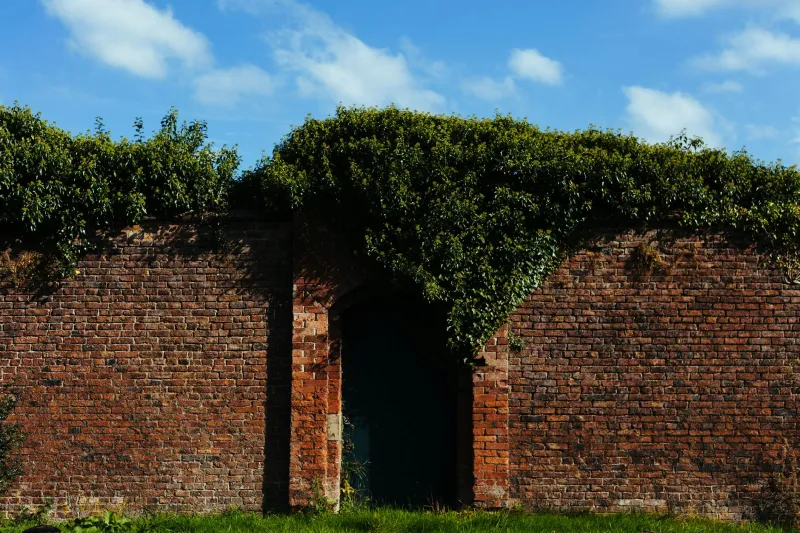
The tradition of cave-ageing cheese in Yorkshire stretches back to medieval monasteries, where monks discovered that certain underground chambers produced superior results. Fountains Abbey's cheese stores, carved directly into hillsides, supplied wheels across northern England until the Dissolution. Many farm caves remained in use well into the 20th century, only abandoned when electrification made refrigeration seem more reliable.
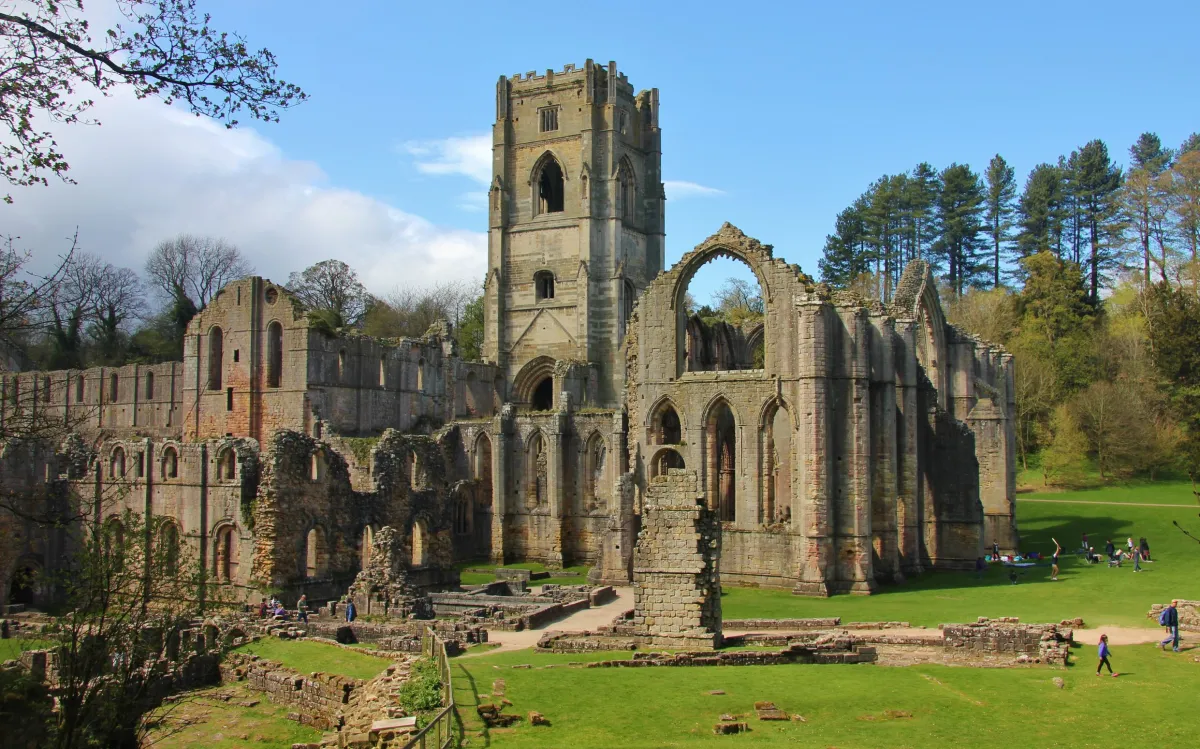 Photo: Fountains Abbey, via www.theculturemap.com
Now, with energy costs rising and consumers demanding more complex, artisanal products, the economics are shifting back toward ancient methods. Cave-aged cheese commands premium prices, with some wheels selling for three times the cost of conventionally stored equivalents.
"We're not being romantic about the past," insists David Thornton, whose family has farmed in Wharfedale for six generations. "This is about understanding that our ancestors solved problems we're only now appreciating. Climate control without electricity, flavour development through environmental partnership rather than industrial intervention."
The Patience of Stone
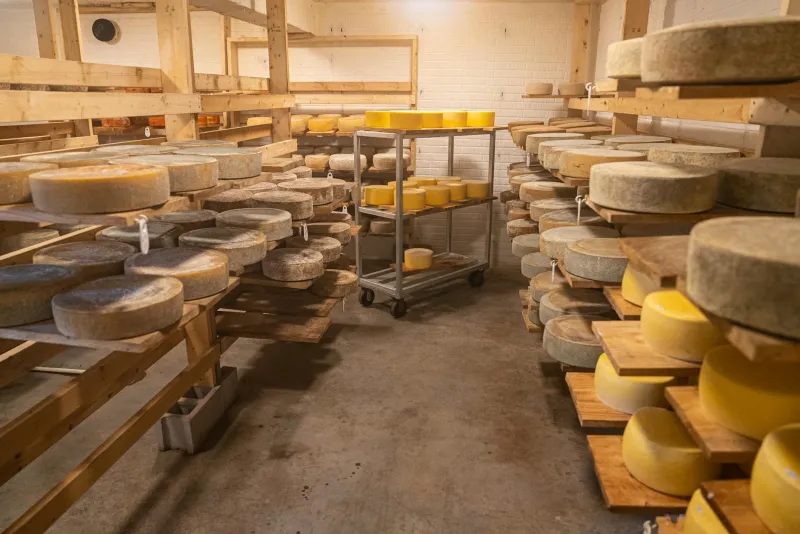
Cave ageing demands different thinking about time and process. Wheels must be turned by hand, monitored individually, and allowed to develop at their own pace. Some cheeses emerge ready after three months; others require a full year underground before reaching their potential.
The work attracts a particular type of cheesemaker — those willing to surrender some control to natural processes. "You become a curator rather than a manufacturer," reflects Richardson. "The cave teaches you patience. The cheese tells you when it's ready, not your production schedule."
Modern food safety regulations initially created barriers for cave-ageing operations, but the Food Standards Agency now recognises traditional methods that demonstrate consistent results. Several Yorkshire producers have achieved certification for their underground operations, proving that ancient techniques can meet contemporary safety standards.
Tasting the Difference
The flavour impact of cave ageing extends beyond mere complexity. Limestone environments encourage the development of specific mould strains that create unique taste profiles. Cave-aged Wensleydale develops notes of honey and wildflower that reflect the mineral content of the surrounding stone. Hard cheeses gain crystalline textures impossible to achieve through conventional ageing.
Chefs across Britain are taking notice. Marcus Wareing sources cave-aged Yorkshire cheeses for his London restaurants, whilst local establishments throughout the Dales build entire cheese courses around these underground treasures.
"It's about terroir," explains Hargreaves, whose cave-aged Swaledale now appears on tables from Michelin-starred restaurants to village pubs. "The same way wine reflects its vineyard, our cheese reflects the very stones beneath our feet. You can taste Yorkshire in every bite — not just the grass our cows eat, but the ancient sea that once covered these hills."