The Sleeping Giants of British Horticulture
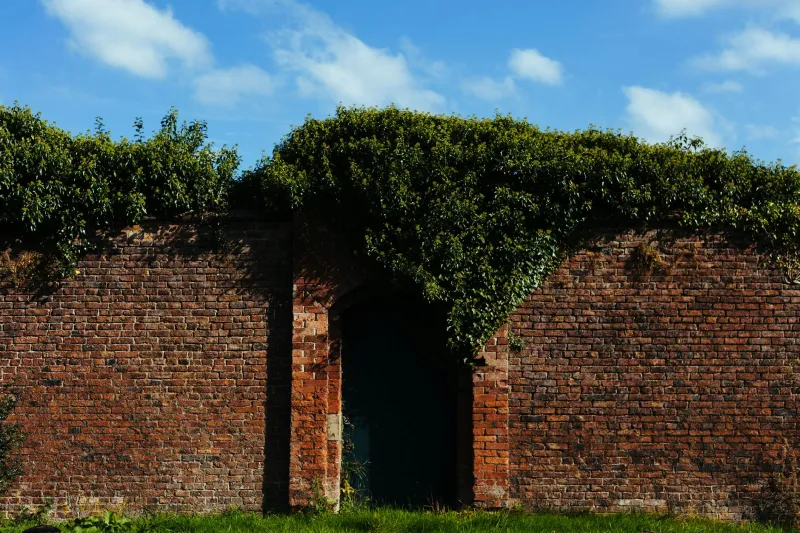
Tucked behind the grand facades of Britain's country estates, hidden from casual view by towering brick walls and rusted iron gates, lie some of the most remarkable growing spaces ever conceived. The Victorian walled kitchen garden — once the beating heart of every great house's self-sufficiency — has slumbered for decades, overgrown and forgotten. Yet across the country, from the Scottish Borders to the Cornish coast, these sleeping giants are stirring back to life.
At Heligan in Cornwall, what was once a wilderness of brambles and fallen glass now produces heritage varieties that would make any Victorian head gardener weep with pride. "When we first broke through that wall in 1990," recalls garden manager Sue Pomeroy, "it was like opening a time capsule. The infrastructure was all there — the heating systems, the potting sheds, even some of the original fruit trees still clinging to life."
Engineering Eden: The Science Behind the Walls
These weren't mere gardens — they were precision-engineered ecosystems designed to feed an empire. Victorian garden architects understood microclimates long before the term entered common usage. South-facing walls captured and stored heat throughout the day, releasing it slowly through the night. Sloping beds maximised sun exposure whilst ensuring perfect drainage. Glass houses, heated by intricate networks of hot-water pipes and flues, created tropical conditions in the depths of a Yorkshire winter.
The walls themselves tell stories of ingenuity. Built from local materials — Yorkshire stone, Cheshire brick, Cotswold limestone — they were constructed with cavities and flues that channelled warm air from furnaces, creating perfect conditions for exotic fruits. Peaches, nectarines, and grapes flourished against these heated barriers, whilst the sheltered interior courtyards protected tender vegetables from Britain's unpredictable weather.
From Ruin to Renaissance
Today's revival isn't merely about nostalgia — though there's plenty of that. At Audley End in Essex, the restored kitchen garden produces over 100 heritage varieties, many of which had vanished from commercial cultivation. Head gardener Rupert Kirby explains: "We're not museum curators. We're active growers, feeding people, supplying local restaurants, proving these old varieties still have relevance."
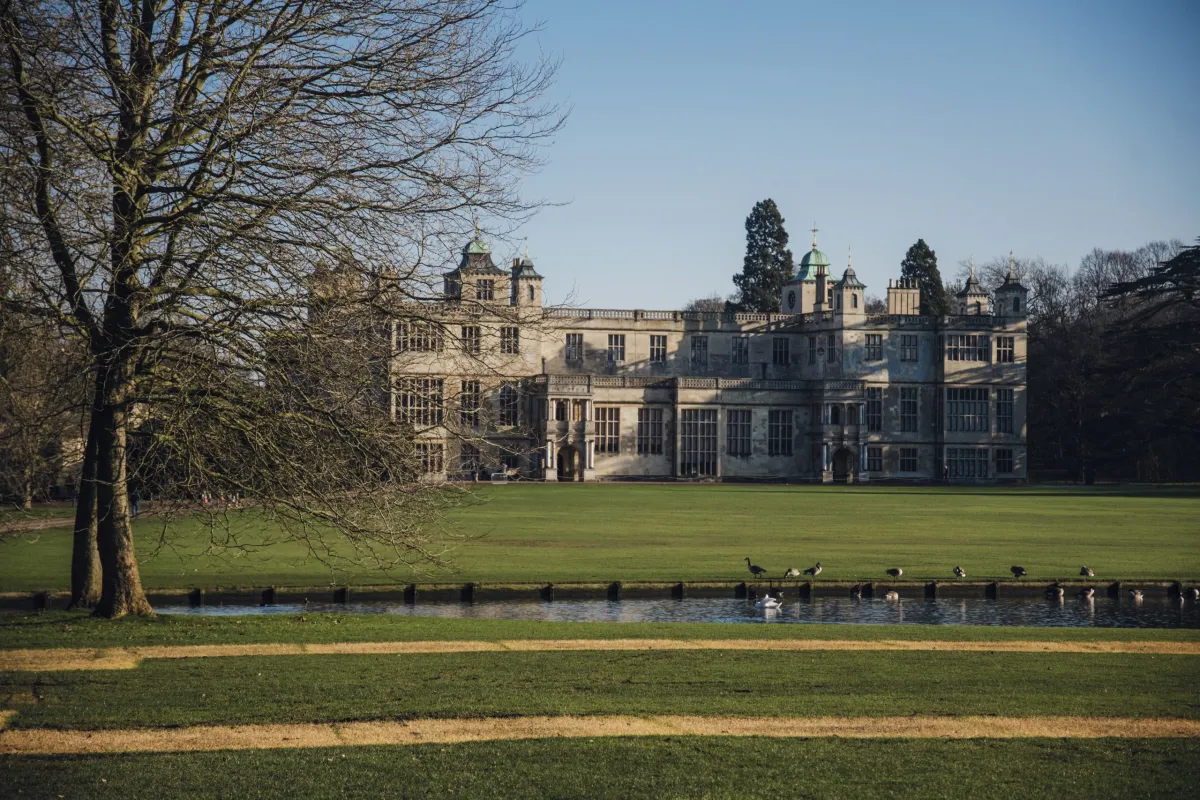 Photo: Audley End, via www.essexmums.com
The economics are compelling. Unlike modern polytunnels or greenhouse complexes, these Victorian structures were built to last centuries. The infrastructure — walls, paths, water systems — requires restoration rather than replacement. Once productive again, they yield harvests that commercial growers would envy, all whilst supporting biodiversity levels that put industrial agriculture to shame.
The New Custodians
Across Britain, a diverse community has emerged to tend these spaces. National Trust volunteers work alongside professional gardeners. Young entrepreneurs lease abandoned plots from cash-strapped estates. Community groups transform derelict gardens into local food hubs.
At West Dean in Sussex, the kitchen garden supplies not only the estate's restaurant but local farm shops and London's finest establishments. "Chefs seek us out," explains garden manager Sarah Wain. "They want vegetables with stories, varieties they can't get anywhere else. Our Purple Top turnips, our Tennis Ball lettuces — these aren't just crops, they're cultural artefacts."
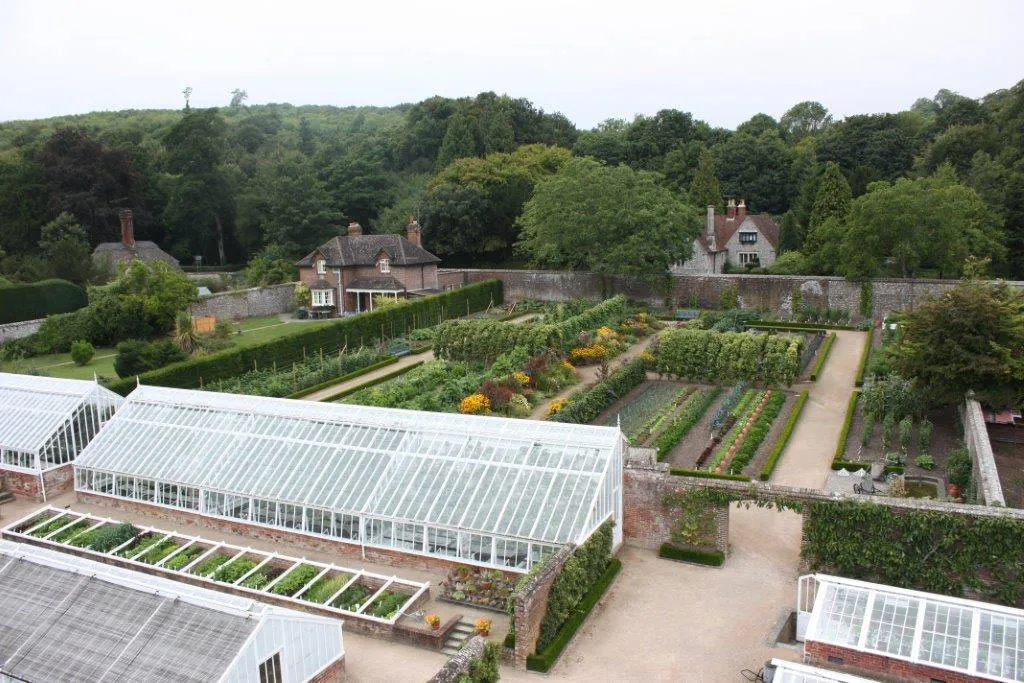 Photo: West Dean, via www.hbgtp.org.uk
Heritage on the Plate
The revival extends beyond production to preservation. Seed libraries now catalogue varieties once thought extinct. The Henry Doubleday Research Association maintains a living collection of heritage vegetables, many sourced from restored walled gardens. Each saved variety represents generations of selection, adaptation to local conditions, flavours developed over centuries.
These aren't curiosities for gardening enthusiasts — they're ingredients that defined British cuisine before standardisation stripped flavour from our food system. The difference is immediate: carrots that taste of earth and sunshine, apples with complexity that makes supermarket fruit seem like cardboard, herbs so aromatic they transform simple dishes into memorable meals.
Challenges in Paradise
Yet the revival faces obstacles. Skilled gardeners command premium wages. Heating costs for glasshouses can be prohibitive. Planning restrictions often prevent necessary modernisation. Many estates lack the capital for proper restoration, whilst others prioritise more immediately profitable ventures.
Climate change presents both opportunities and threats. Warmer summers extend growing seasons but increase water demands. Extreme weather events can devastate tender crops. Traditional varieties, selected for flavour rather than resilience, sometimes struggle with new pest pressures.
The Future Behind Old Walls
Despite challenges, the momentum builds. Government grants support heritage garden restoration. Horticultural colleges offer specialised training in traditional techniques. A new generation of growers combines Victorian wisdom with modern knowledge, creating sustainable systems that feed communities whilst preserving irreplaceable genetic heritage.
These gardens represent more than agricultural history — they're blueprints for resilient local food systems. In an age of supply chain vulnerabilities and environmental concerns, the Victorian model of intensive local production within sustainable boundaries offers valuable lessons.
As we face an uncertain food future, perhaps salvation lies not in the next technological breakthrough but behind those ancient walls, where forgotten wisdom waits to feed a new generation. The walled garden revival isn't just about preserving the past — it's about cultivating hope for Britain's culinary future.