In the mist-shrouded hills of the Scottish Borders, Tom Morrison watches his herd of Belted Galloways—their distinctive white 'belts' making them look like walking Oreo biscuits—graze contentedly on rough pasture that would challenge any commercial breed. These aren't the black-and-white Holsteins you'll find on most dairy farms, nor the Continental crosses that dominate modern beef production. These are living pieces of British agricultural heritage, and they're quietly staging a comeback.
The Weight of History
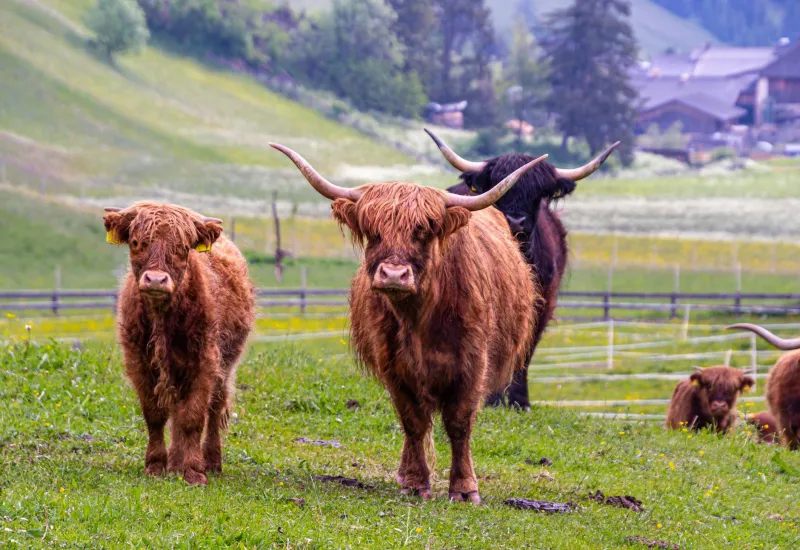
Britain's native cattle breeds carry stories that stretch back centuries. The White Park, with its distinctive black ears and muzzle against a ghostly pale coat, roamed these islands when the Romans first arrived. Highland cattle, with their magnificent russet coats and sweeping horns, were driving hardy Highland warriors to market when the rest of Europe was still figuring out feudalism.
Yet by the 1970s, many of these breeds teetered on the edge of extinction. The Gloucester, once the pride of the Severn Vale, had dwindled to fewer than 100 animals. The Norfolk Red, perfectly adapted to East Anglian conditions, had all but vanished. Post-war agriculture's drive for efficiency had pushed aside anything that didn't fit the new industrial model.
"We nearly lost something irreplaceable," reflects Sarah Henderson, who keeps a small herd of Dexters on her Cotswold farm. "These weren't just cattle—they were the product of thousands of years of careful breeding, perfectly adapted to British conditions."
The Flavour Revolution
What's drawing farmers back to these ancient breeds isn't nostalgia—it's flavour. Heritage cattle, raised slowly on natural pasture, produce beef with a complexity that makes supermarket steaks taste like cardboard in comparison.
James Golding, head chef at The Pig Hotel group, has been championing native breeds for over a decade. "When you taste properly aged Longhorn beef, or a steak from a grass-fed Galloway, it's a revelation," he explains. "The marbling is different, the flavour is deeper, more complex. It's what beef used to taste like."
The difference lies in the breeding. While commercial cattle are selected for rapid weight gain and high milk yield, native breeds developed their characteristics over centuries of natural selection. They're hardier, living outdoors year-round, converting rough grass and moorland plants into premium protein.
Economic Realities
But passion for flavour doesn't pay the bills. Heritage breed farmers face constant economic pressure. A Longhorn steer might take 30 months to reach slaughter weight, compared to 18 months for a Continental cross. The mathematics are brutal: longer finishing times mean higher costs per animal.
"The supermarkets want cheap, consistent product," explains David Baines, who switched from commercial farming to rare breeds fifteen years ago. "They're not interested in the fact that my Devon Rubies have been grazing these Somerset hills since before the Domesday Book."
The solution, for many farmers, has been to bypass the industrial food chain entirely. Farm shops, farmers' markets, and direct-to-consumer sales allow them to capture the premium their beef deserves. Online platforms have opened new markets, connecting discerning customers with farmers hundreds of miles away.
The Chef's Perspective
In restaurant kitchens across Britain, a growing number of chefs are seeking out heritage breeds. At The Sportsman in Seasalter, Stephen Harris sources Galloway beef from a farm just twenty miles away. "The consistency is different—each animal has its own character," he notes. "But that's what makes it interesting to cook with."
The trend extends beyond fine dining. Butchers like Danny Lidgate in Holland Park and James Elliott in Yorkshire have built reputations on sourcing rare breed beef, educating customers about the differences between breeds and cuts.
Conservation Through Consumption
Perhaps the most compelling argument for heritage breeds is conservation. These cattle are living gene banks, preserving genetic diversity that commercial breeding has winnowed away. Climate change makes this diversity increasingly valuable—breeds like the hardy Highland or the heat-tolerant White Park may prove crucial as weather patterns shift.
The Rare Breeds Survival Trust monitors population numbers, moving breeds between 'critical,' 'endangered,' and 'vulnerable' categories as numbers fluctuate. Success stories like the revival of the British White give hope, but many breeds remain precariously positioned.
Looking Forward
The future of Britain's heritage cattle depends on finding the sweet spot between tradition and commerce. Some farmers are exploring new markets—heritage breed burger chains, subscription box services, even cattle-themed agritourism.
Government policy could help. Post-Brexit agricultural subsidies increasingly reward environmental benefits over pure production. Native breeds, with their ability to thrive on marginal land and their lighter environmental footprint, fit perfectly into this new paradigm.
"We're not trying to feed the world," reflects Tom Morrison, watching his Galloways navigate terrain that would defeat a Holstein. "We're trying to preserve something precious and produce the best beef we can. If we can make a living doing it, these breeds have a future."
As consumers become more conscious of provenance and flavour, Britain's ancient cattle breeds may find their moment has come again. After all, they've survived Vikings, plagues, and two world wars. The supermarket age might just be another challenge to overcome.