The Last of the Weavers
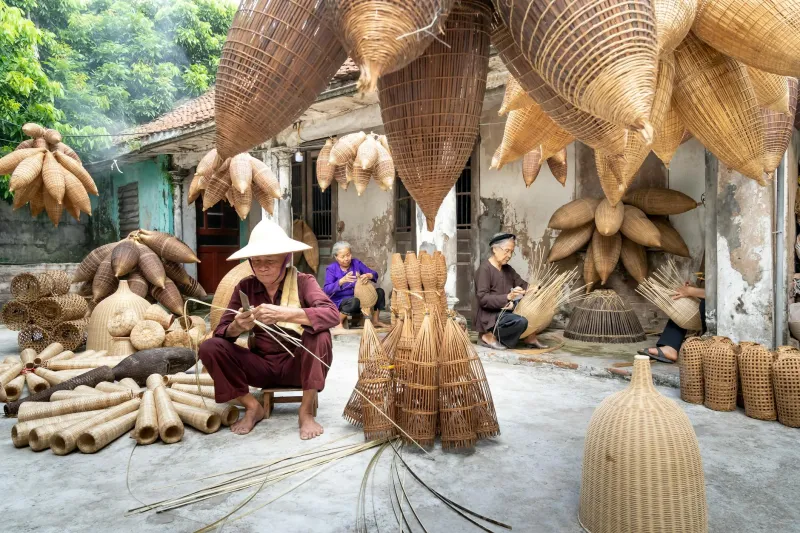
In a converted barn overlooking the Severn Estuary, 73-year-old Dai Williams works with hands that remember rhythms older than memory. Strips of golden willow flow between his fingers, forming the intricate basket-work of a putcheon—the traditional eel trap that once lined every bend of the river. The craft has barely changed since medieval times, yet Dai may be among the last to practice it.
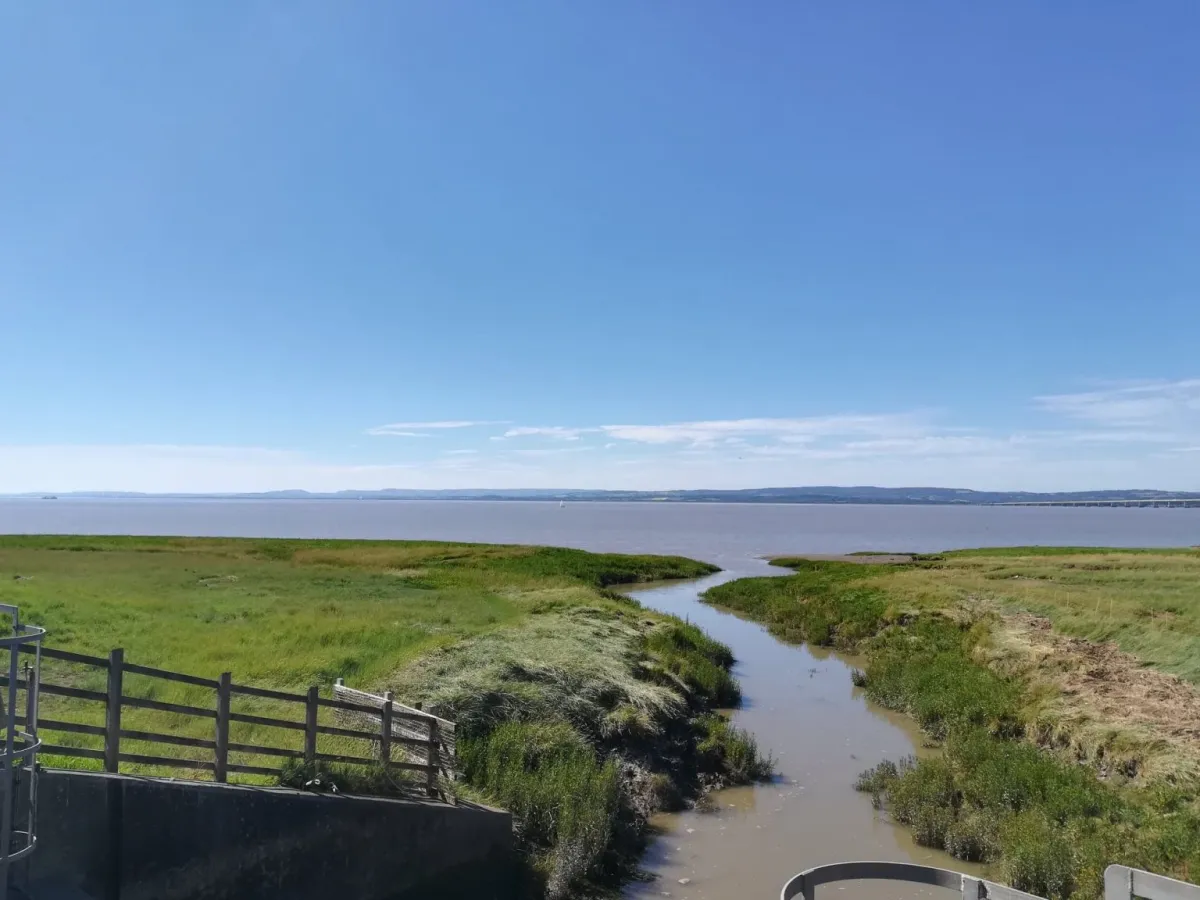 Photo: Severn Estuary, via severnestuarypartnership.org.uk
"My grandfather taught me, his grandfather taught him," Dai explains, never pausing in his weaving. "But who's left to learn? The young ones don't see the point when you can buy a plastic trap for a tenner."
What they don't see, Dai argues, is that these handwoven traps represent far more than fishing gear. They embody a complete understanding of water, season, and quarry that took centuries to develop. More urgently, they offer a path toward fishing practices that work with nature rather than against it.
The Ecology of Craft
Across Britain, the handful of remaining trap weavers share Dai's frustration—and his hope. In Orkney, Magnus Sinclair still crafts the traditional lobster pots that his family has made for six generations. The creels, woven from locally harvested hazel and weighted with beach stones, reflect an intimate knowledge of tidal patterns and crustacean behaviour.
"These pots fish themselves," Magnus explains from his workshop overlooking Scapa Flow. "The shape, the weave, the way they sit on the seabed—everything is designed to work with the lobster's natural movement. They catch what they should catch, when they should catch it."
 Photo: Scapa Flow, via c.orkney.com
Unlike their modern plastic and metal counterparts, traditional woven traps are completely biodegradable. A lost putcheon will dissolve harmlessly into the riverbed within months. A plastic trap can ghost-fish for decades, continuing to capture and kill long after it's abandoned.
This environmental advantage is drawing attention from marine conservation groups and sustainable fishing advocates. The Marine Conservation Society has begun documenting traditional trap designs, recognising them as models for truly sustainable fishing gear.
Rivers of Memory
On the banks of the River Wye, Sarah Jenkins tends her willow beds with the same care her ancestors devoted to their fishing grounds. As one of only three people in Wales still making traditional coracle fishing baskets, she understands that her craft connects directly to the health of the river ecosystem.
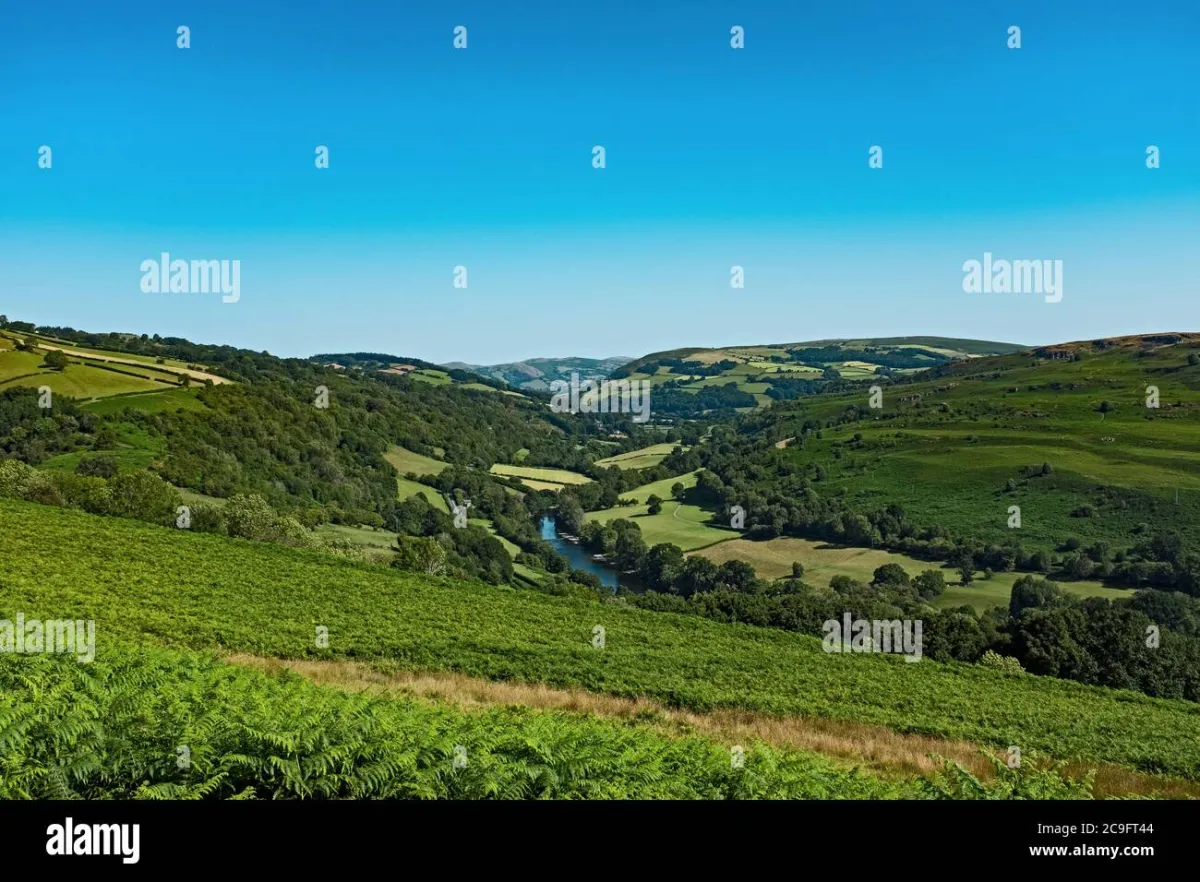 Photo: River Wye, via c8.alamy.com
"The willows tell you about the river," she explains, selecting young shoots for their flexibility and strength. "If the trees are healthy, the water's clean. If the water's clean, the fish thrive. It's all connected."
Sarah's baskets, woven in patterns passed down through generations of Wye fishermen, are designed for specific species and seasons. The mesh size, the entry funnel's angle, even the basket's overall proportions reflect centuries of accumulated knowledge about salmon behaviour, water temperature, and seasonal migration patterns.
Yet this knowledge is disappearing as rapidly as the craftspeople who hold it. When Sarah's mentor died five years ago, decades of refinement to traditional designs died with him. "I'm still learning things about these patterns," she admits. "Sometimes I'll discover a detail in an old basket that I'd never noticed before. It's like reading a book written in a language that's being forgotten."
The New Apprentices
However, a small but growing movement is working to preserve these skills. At the National Trust's Wicken Fen, young conservationists are learning traditional reed and willow weaving as part of habitat restoration projects. The handwoven fish traps they create serve both practical and educational purposes, demonstrating sustainable fishing methods while providing authentic tools for research.
"We're not trying to turn back the clock," explains project coordinator James Mitchell. "But these traditional methods offer solutions to problems we're only just beginning to understand. Climate change, plastic pollution, overfishing—the old ways often point toward better approaches."
Similar programmes are emerging across the country. In Cornwall, the National Maritime Museum has established a workshop where master craftsman Peter Tregear teaches traditional crab pot weaving to anyone willing to learn. His students range from retired fishermen seeking to preserve their heritage to young marine biologists interested in sustainable fishing gear.
"The knowledge is still there," Peter insists, guiding a student's hands through the complex weave of a traditional crab pot. "It's just waiting for people to value it again."
Beyond Nostalgia
What distinguishes this revival from mere heritage preservation is its practical application to contemporary challenges. Research at Plymouth Marine Laboratory has shown that traditional woven traps have significantly lower bycatch rates than modern alternatives. The natural materials and time-tested designs allow non-target species to escape while effectively retaining the intended catch.
Fishermen using traditional methods also report better-quality catches. The gentle capture method reduces stress on the fish, resulting in better flavour and longer shelf life. High-end restaurants are beginning to specify traditionally caught seafood, recognising the superior quality and environmental credentials.
Chef Mark Hix, whose Dorset restaurant champions local and sustainable ingredients, works exclusively with fishermen using traditional methods. "The difference in quality is remarkable," he explains. "Fish caught in handwoven traps arrive in perfect condition. They taste of the sea, not stress."
Weaving the Future
The economic argument for traditional trap weaving is becoming increasingly compelling. While initial costs are higher—a handwoven lobster pot costs ten times more than a plastic alternative—the traditional traps last longer and fish more effectively. More importantly, they appeal to a growing market segment willing to pay premium prices for genuinely sustainable seafood.
Dai Williams has begun taking orders from young fishermen interested in differentiating their catch in an increasingly competitive market. His putcheons, marked with traditional makers' symbols, allow fishmongers to trace each eel back to specific stretches of river.
"It's not about going backwards," Dai reflects, examining a newly completed trap. "It's about remembering what worked before we forgot why it worked. These rivers fed people for thousands of years. They can do it again, if we're wise enough to listen to what the old ones knew."
As Britain grapples with the challenge of feeding itself sustainably, the wisdom held in these ancient crafts offers more than historical curiosity. In the patient rhythm of willow weaving and the precise geometry of traditional trap design lies a blueprint for fishing that serves both human need and environmental health. The question is whether we can learn fast enough to preserve what remains before the last weavers lay down their tools forever.