The Land Rover bumps along the narrow track, its tyres squelching through puddles that taste of brine. Ahead, the Northumberland coast stretches endlessly, and somewhere between the grey North Sea and the rolling hills, magic happens twice daily.
"You've got to time it right," says Tom Hedley, pulling on his wellington boots as we approach the salt marsh. "The tide waits for no shepherd."
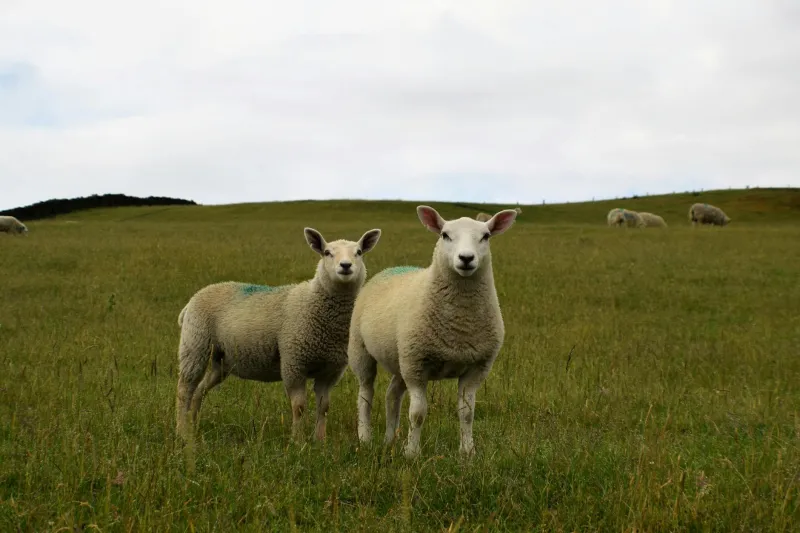
This is Holy Island's approach causeway at low tide, where Hedley's North Country Cheviot sheep graze on pastures that disappear beneath saltwater every twelve hours. It's farming on nature's terms, and it produces some of the most extraordinary lamb Britain has ever tasted.
When the Sea Becomes Chef
Salt marsh lamb isn't new—our ancestors grazed sheep on tidal pastures for centuries. What's remarkable is how few people know about it today. While French agneau de pré-salé commands premium prices in Michelin-starred restaurants, British salt marsh lamb remains largely undiscovered, even by many chefs.
The science behind the flavour is fascinating. As seawater floods these coastal grasslands, it deposits minerals and salts that ordinary pasture simply cannot provide. The grasses—samphire, sea lavender, thrift, and dozens of other halophytic plants—absorb these minerals through their roots. When sheep graze on this botanical treasure trove, the complex mineral profile transfers directly into their meat.
"It's like the sheep are seasoned from the inside out," explains Dr Sarah Metcalfe, a grassland ecologist at Newcastle University. "The sodium, magnesium, and trace elements create flavour compounds you simply cannot replicate inland."
The Gower's Ancient Tradition
Six hundred miles south, on Wales's Gower Peninsula, the Beynon family has been grazing sheep on Llanrhidian salt marsh for four generations. Here, the Burry Inlet creates one of Britain's most extensive tidal grasslands, supporting both cockle beds and some of the country's finest lamb.
"My grandfather always said the sheep knew when the tide was turning," recalls David Beynon, watching his Welsh Mountain flock pick their way across the marsh. "They'd start moving inland twenty minutes before the water appeared. Never needed a tide table."
The Gower tradition differs from Northumberland's approach. Here, sheep graze year-round on the marsh, developing an almost wild hardiness. Their meat carries intense mineral notes—iron from the mud, salt from the spray, and something indefinable that speaks of ancient coastlines.
"City chefs don't understand it at first," Beynon admits. "They're expecting mild, consistent lamb. This has character. It tells a story with every bite."
Romney's Tidal Calendar
Perhaps nowhere demonstrates salt marsh farming's complexity better than Kent's Romney Marsh. This vast expanse of reclaimed medieval marshland still floods selectively, creating a patchwork of brackish pastures that challenge conventional farming wisdom.
James Finn manages 800 Romney sheep across this landscape, moving flocks according to tide tables, weather patterns, and grass growth. It's farming that requires intimate knowledge of both livestock and landscape.
"You can't rush salt marsh lamb," Finn explains, checking his flock near Dungeness. "The lambs need at least three months on tidal pasture before slaughter. Any less, and you don't get the full mineral development."
The Romney system produces lamb with subtle salinity—less intense than Welsh or Northumbrian marsh lamb, but with complex herbal notes from the diverse plant communities. Local restaurants have started featuring "Romney Marsh lamb" on seasonal menus, finally recognising what farmers have known for generations.
Ecology and Economics
Salt marsh farming serves conservation as well as cuisine. These tidal grasslands support extraordinary biodiversity—from nesting birds to rare plants—but they need grazing to maintain their ecological balance. Without sheep, many marshes would revert to scrubland or suffer from invasive species.
"The sheep are ecosystem engineers," notes RSPB warden Lisa Morgans. "Their grazing creates the habitat mosaic that supports everything from skylarks to sea asters."
Economically, salt marsh lamb commands premium prices—when farmers can access appropriate markets. The challenge isn't quality; it's education. British consumers, trained to expect consistent, mild lamb, often don't understand what makes salt marsh meat special.
Seasonal Rhythms
Timing defines salt marsh lamb production. Spring lambs benefit from young, tender marsh grasses rich in minerals. Autumn lambs, having grazed all summer on established pastures, develop deeper, more complex flavours.
"September lamb is completely different from May lamb," observes chef Marcus Richardson, who sources from three different marshes. "Spring meat is bright, almost lemony. Autumn has depth, like aged cheese."
The tidal cycle adds another layer of complexity. Sheep grazing immediately after spring tides—when the highest waters deposit fresh nutrients—produce meat with particularly intense mineral character.
Challenges and Opportunities
Climate change poses new challenges for salt marsh farmers. Rising sea levels and increased storm frequency threaten traditional grazing patterns. Some marshes flood more frequently than sheep can tolerate; others face saltwater intrusion into freshwater systems.
Yet opportunity exists. As consumers seek authentic, traceable food with genuine terroir, salt marsh lamb offers everything modern food culture values: sustainability, tradition, unique flavour, and connection to place.
"We're not trying to compete with New Zealand lamb on price," reflects Tom Hedley, watching his sheep navigate the returning tide. "We're offering something completely different—meat that tastes of this exact place, at this exact time."
The Future of Tidal Farming
A new generation of farmers is rediscovering salt marsh grazing, often combining traditional knowledge with modern marketing. Social media showcases the dramatic landscapes; farmer's markets introduce consumers to unfamiliar flavours; progressive restaurants celebrate regional specialties.
The future of British salt marsh lamb depends on education—helping consumers understand why this ancient farming system produces such extraordinary meat. It's not just about flavour; it's about preserving landscapes, supporting biodiversity, and maintaining connections between land and plate that industrial agriculture has largely severed.
As the tide turns on Holy Island, covering the marsh in silver water, Hedley's sheep move instinctively inland. They'll return when the sea retreats, continuing a dance between livestock and landscape that has shaped British coastlines for a thousand years. The least we can do is taste the results.