Dawn Patrol
Four-thirty in the morning, and Danny Treloar is already checking weather apps on his phone. Wind southwest, force 3-4, easing later. Good enough. By five, he's backing his trailer down the slipway at Sennen Cove, launching Mary Rose, his 18-foot punt, into waters that have supported his family for four generations.
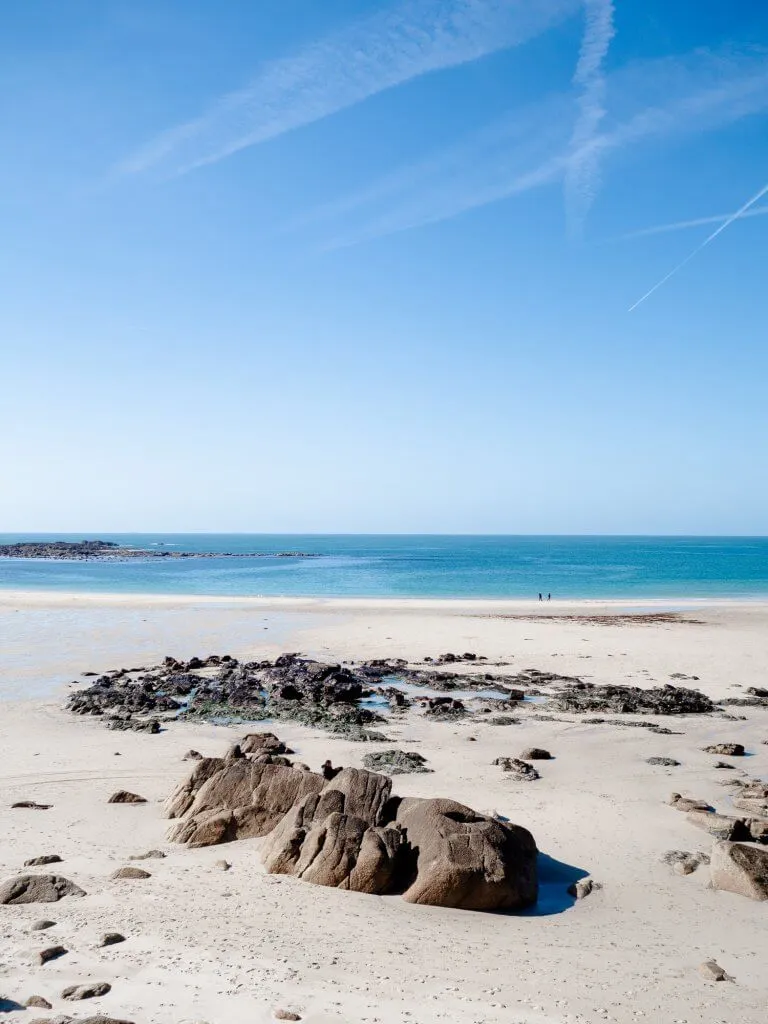 Photo: Sennen Cove, via thecornishlife.co.uk
Treloar fishes alone, as his father and grandfather did before him. His boat carries 40 crab pots, each baited with fresh mackerel and lowered onto rocky ground two miles offshore. The work demands intimate knowledge of tides, weather, and the seasonal movements of crustaceans that most people only encounter on restaurant plates.
"Big boats get the headlines," Treloar says, hauling his first string of pots as the sun clears the horizon. "But we're the ones feeding the country, one pot at a time."
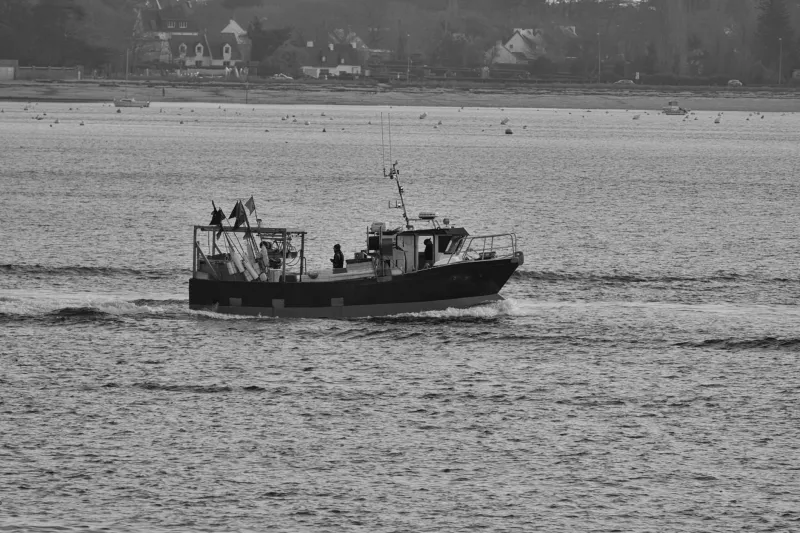
Across Britain's coastline, thousands of fishermen like Treloar operate what the industry calls 'under-10-metre vessels' — boats small enough to launch from beaches, work close to shore, and return the same day with catches that command premium prices. This is inshore fishing at its most sustainable and its most precarious.
The Rhythm of the Pots
Inshore pot fishing follows rhythms older than memory. Fishermen work with tides rather than against them, setting pots during slack water when currents allow precise placement. Spring tides mean stronger flows and better fishing; neap tides bring calmer conditions but slower catches.
Crab and lobster move seasonally, following water temperatures and food availability. Summer brings peak catches as crustaceans feed heavily in warming waters. Autumn sees the beginning of migrations to deeper water. Winter fishing can be profitable but dangerous, with shorter days and rougher seas testing both equipment and nerves.
"You learn to read the water," explains Sarah Boniface, one of the few women working pots single-handed from her base in Devon. "Crab like different ground than lobster. Rocky reefs hold lobster; sandy patches between rocks are crab territory. Get it wrong, and you're hauling empty pots all day."
The work is physically demanding. Each pot weighs 15-20 kilograms when hauled, multiplied by dozens of pots per trip. Hauling by hand builds distinctive upper body strength, but it also means fishermen can feel exactly what's happening on the seabed — whether pots are fishing clean, getting fouled by weed, or sitting in productive spots.
Sustainable by Necessity
Inshore pot fishing represents one of the most sustainable forms of seafood production in British waters. Pots are selective, targeting specific species whilst allowing undersized animals and non-target species to escape. There's no bycatch problem, no seabed damage from trawling, no fuel-intensive searches for fish schools.
"We're conservation fishermen by default," notes Dr James Ellis, who studies small-scale fisheries for the Marine Management Organisation. "Economic incentives align perfectly with conservation goals. Pot fishermen want healthy stocks because their livelihoods depend on them. They self-regulate because overfishing destroys their own future."
The small scale enforces sustainability in ways that regulation alone cannot achieve. Fishermen know individual fishing marks, can adjust effort based on catches, and have strong incentives to maintain productive grounds. Many return undersized animals even when not legally required, understanding that today's juvenile is next year's breeding stock.
Lobster fishermen particularly exemplify this approach. Catching berried (egg-bearing) females is legal but economically foolish — those eggs represent future catches. Most inshore fishermen release berried females without hesitation, sometimes notching their tails to ensure other fishermen do likewise.
Markets and Chefs
The small-boat fleet supplies a premium market that values quality over quantity. Day-boat crab and lobster command prices 30-50% higher than imported or factory-ship alternatives. Restaurants increasingly promote 'boat-to-plate' sourcing, connecting diners with individual fishermen and specific fishing grounds.
"There's no comparison between day-boat crab and imported stuff," insists Rick Stein, whose Cornish restaurants have long championed local inshore catches. "You can taste the difference — the sweetness, the texture, the sense that this animal was alive and healthy hours ago, not weeks."
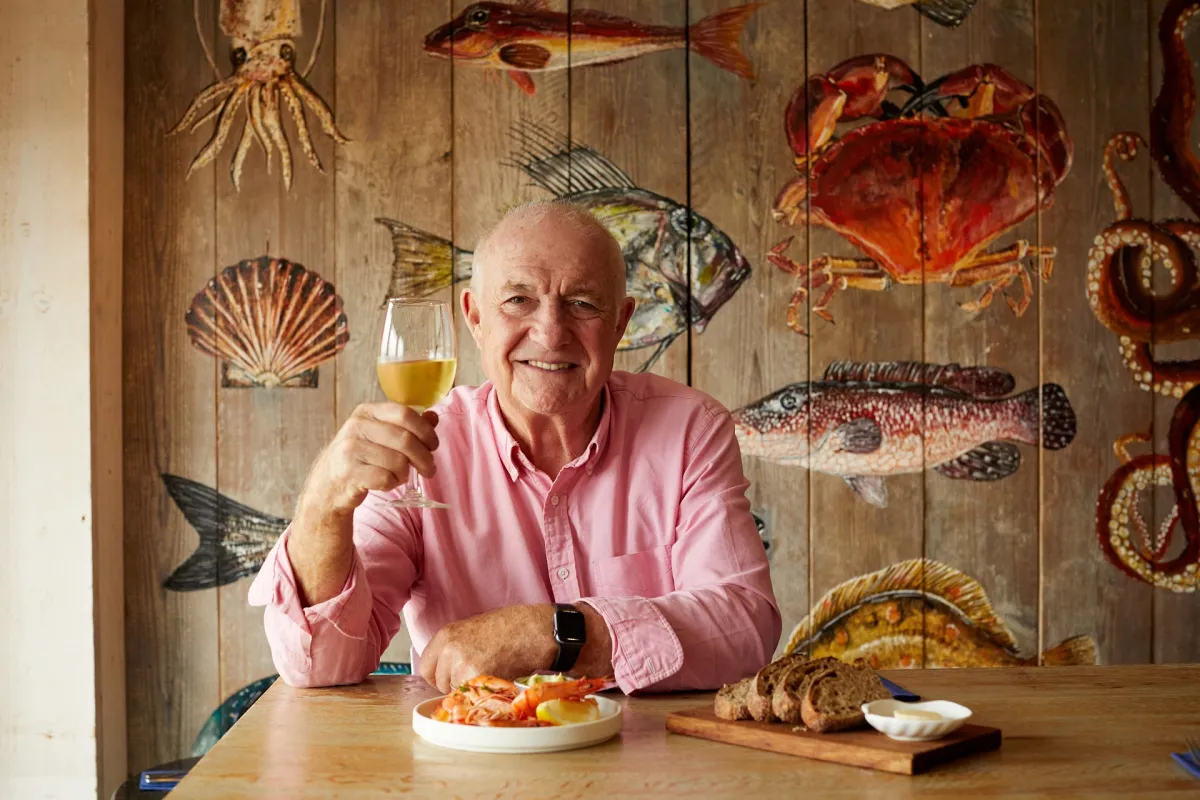 Photo: Rick Stein, via rickstein.com
London's finest seafood restaurants now maintain direct relationships with inshore fishermen, sometimes taking entire catches from individual boats. The River Café sources Dorset crab directly from fishermen working from Chesil Beach. Fishmongers like Matthew Stevens of The Fish Shop in Kensington build reputations around day-boat catches from named vessels.
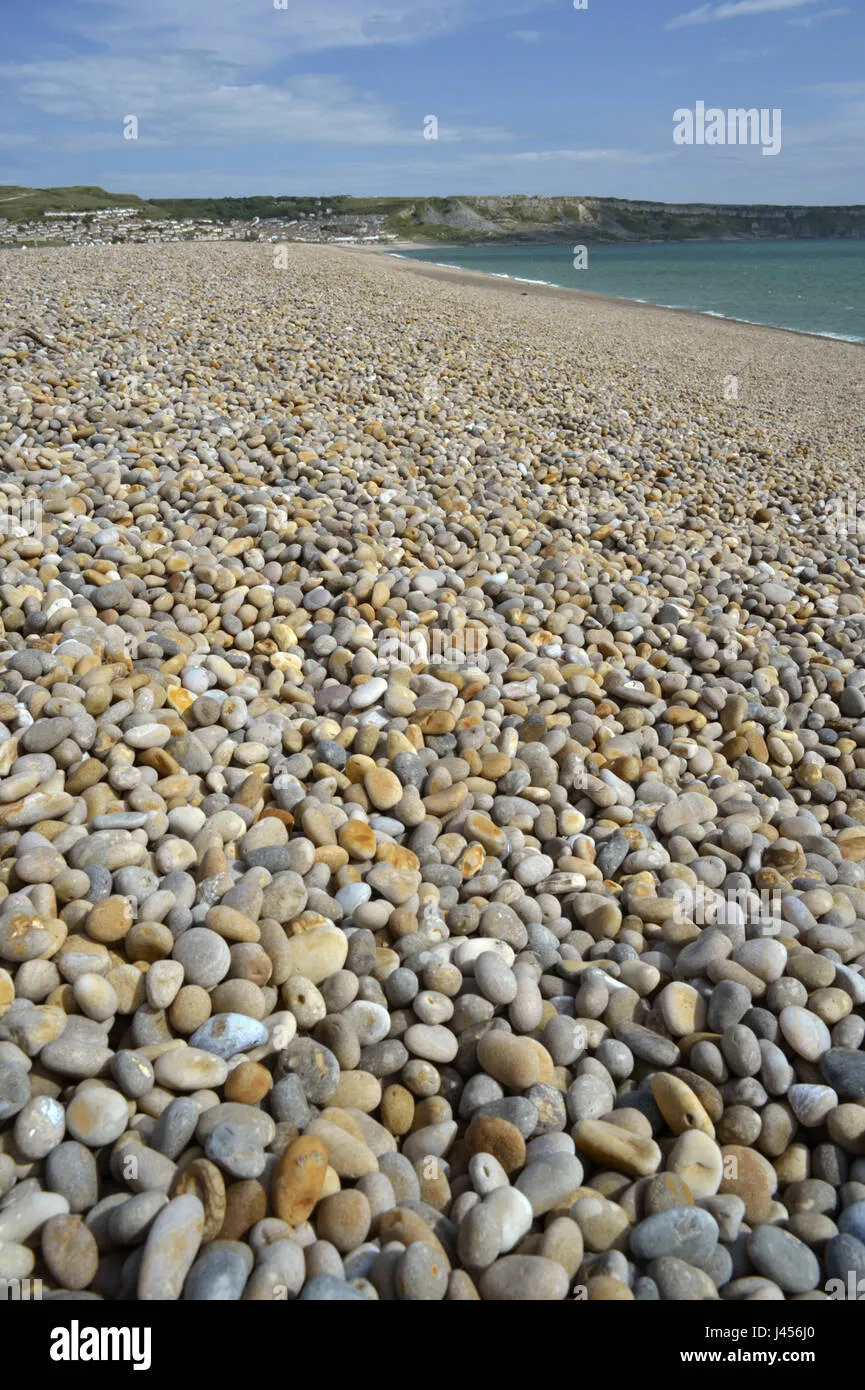 Photo: Chesil Beach, via c8.alamy.com
This direct marketing allows fishermen to capture more value from their catches whilst giving consumers unprecedented traceability. QR codes on restaurant menus now link to individual fishing boats, showing exactly where and when seafood was caught.
Weather, Tides, and Economics
Inshore fishing operates within narrow economic margins that make every trip count. Fuel costs, bait prices, and equipment maintenance consume significant portions of gross income. Weather windows determine when fishing is possible, whilst tides dictate optimal timing.
"You fish when you can, not when you want to," explains Tom Mahon, whose boat Celtic Dawn works from Newlyn. "Miss a good weather window, and you might not get another for a week. Miss too many, and you don't make the mortgage payment."
Climate change is altering traditional patterns. Warmer waters bring southern species northward whilst changing the timing of traditional migrations. Storm frequency increases whilst storm intensity grows more severe. Fishermen adapt by diversifying target species, adjusting seasonal patterns, and investing in better weather forecasting.
Brexit created new challenges as export markets became more complex, but it also opened opportunities. Reduced access for foreign vessels in UK waters benefits inshore fishermen who never ventured far from home anyway. Increased quotas for some species provide new opportunities, whilst growing consumer interest in local sourcing supports premium pricing.
The Next Generation
Despite challenges, young people continue entering inshore fishing. The combination of independence, connection to place, and potential for good earnings attracts those seeking alternatives to conventional career paths. Training programs now support new entrants whilst established fishermen mentor newcomers.
"It's not an easy life," admits Treloar, whose son is considering joining the family business. "But it's an honest one. You work with your hands, you're your own boss, and you're producing food that people value. Not many jobs offer that combination."
The small boats that dot Britain's harbours and beaches represent more than fishing vessels — they're symbols of communities that maintain direct connections to the sea. In an age of industrial food production, these fishermen offer something increasingly rare: seafood with a story, caught by people with names, from waters you can visit.
As Treloar hauls his final pots of the day, Mary Rose rides low with a hold full of prime crab and lobster. Tonight, these crustaceans will reach tables across Cornwall and beyond, carrying with them the taste of clean waters and the skill of fishermen who understand that the smallest boats often tell the biggest stories.