Salt Winds and Sea Spinach: The Women Who Fed Britain's Fishing Villages from Tide and Cliff
While their husbands hauled nets through grey waters, the women of Britain's fishing villages turned to an equally demanding harvest — one that required reading the moods of tide and season as carefully as any fisherman reads the sea. From the salt marshes of Norfolk to the granite cliffs of Cornwall, these coastal foragers built a culinary tradition around plants that thrived where land meets water, creating a parallel economy of wild greens that sustained families through storm seasons and lean catches.
The Mudflat Gatherers of Essex
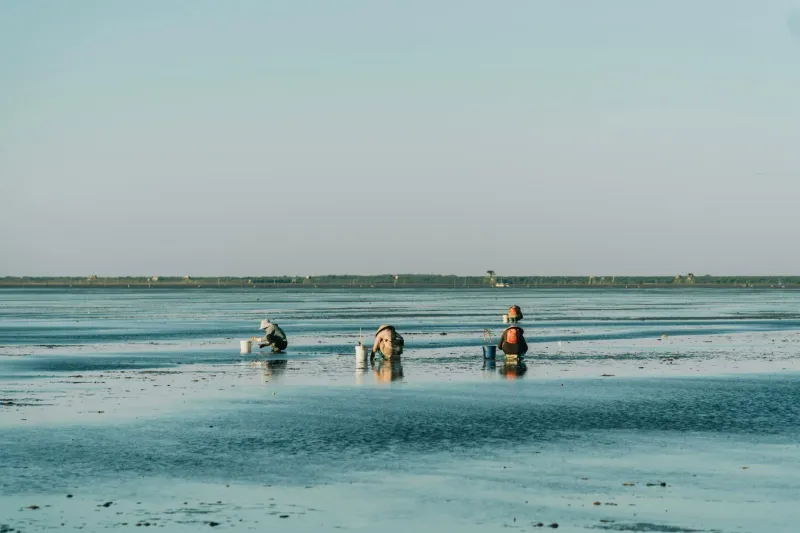
On the Blackwater estuary, where centuries of tidal flow have deposited rich sediment across miles of mudflats, sea purslane still carpets the marsh edges in thick, succulent mats. Mary Wickford, whose family has worked these waters for six generations, remembers her grandmother's wicker basket, permanently stained green from decades of foraging expeditions.
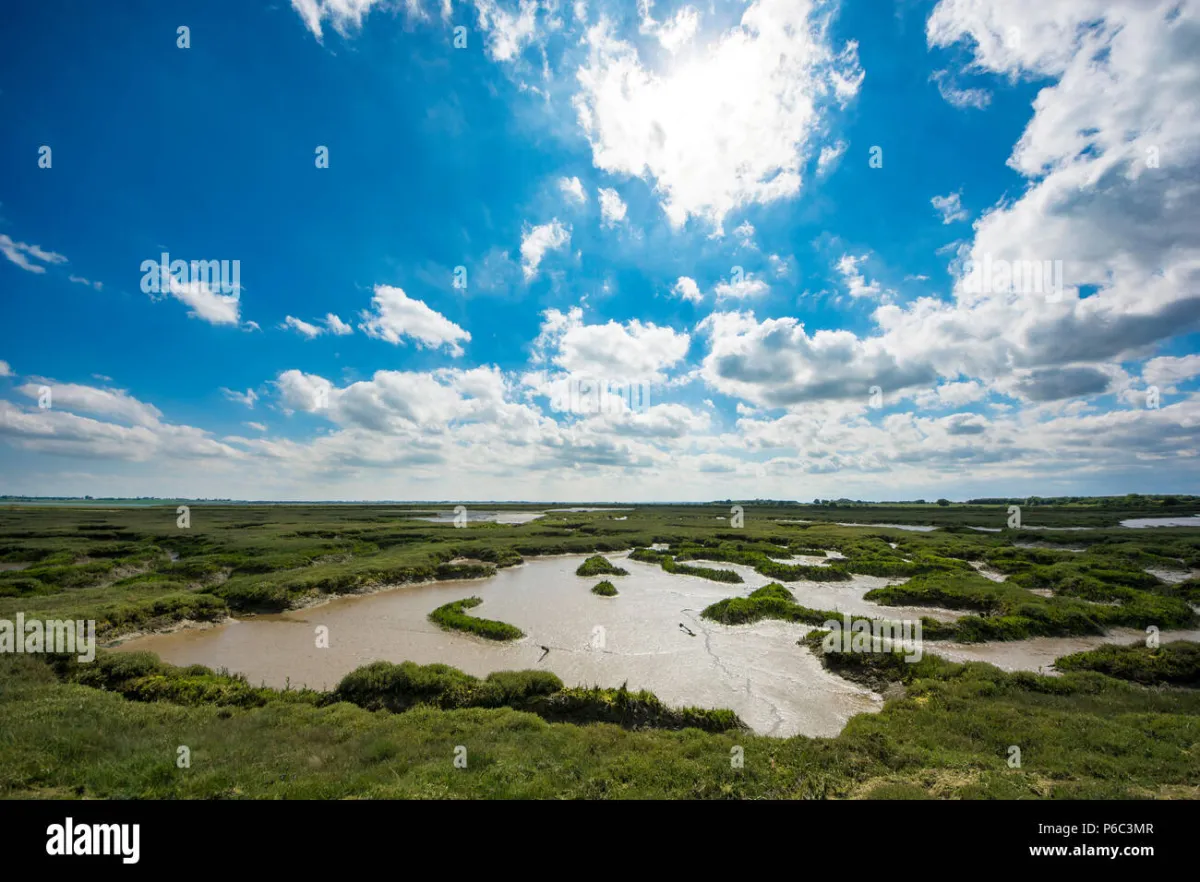 Photo: Blackwater estuary, via c8.alamy.com
"She'd know exactly when the purslane was ready," Mary recalls, watching curlews pick their way across the exposed mud. "Too early and it's bitter. Too late and it goes woody. There's maybe a three-week window when it's perfect — salty and crisp, with just enough bite."
The timing mattered because purslane formed the backbone of what locals called 'fisherman's salad' — a mixture of wild greens that accompanied every meal when the boats came in heavy with herring or cod. Mixed with young alexanders and sea beet, it provided essential vitamins during long winter months when fresh vegetables were scarce.
Cliff-Hanging Traditions of the Southwest
Further west, where Atlantic swells crash against granite faces, rock samphire clings to seemingly impossible ledges, its fleshy leaves storing salt spray and surviving conditions that would kill most plants. The women of Cornish fishing villages developed an almost supernatural ability to spot the best patches, often rappelling down cliff faces with ropes and baskets to reach plants growing in the spray zone.
"It's not just about being brave," explains Janet Trelawny, whose great-grandmother was legendary among St Ives fishermen for her samphire gathering. "You need to understand the rock, the way water moves, where the plants will be fattest. My nan could tell you which ledges would have the best samphire just by looking at how the waves hit them."
 Photo: St Ives, via i.pinimg.com
Samphire season — roughly June through September — coincided perfectly with the height of the fishing season. Pickled in vinegar and stored in stone jars, it provided a sharp, salty accompaniment to fresh mackerel and bass throughout the year. The pickle was so valued that fishing families would trade jars of samphire for winter supplies of flour and sugar.
The Seaweed Scholars of Scotland
In the Hebrides, where Atlantic storms deposit ribbons of kelp across white sand beaches, communities developed perhaps the most sophisticated understanding of marine plants anywhere in Britain. Here, the distinction between seaweed and sea vegetable blurred into a complex taxonomy that recognised dozens of edible species, each with its own season, preparation method, and culinary purpose.
Dulse, gathered from rock pools at low tide, was dried on cottage roofs and chewed like tobacco during long fishing expeditions. Carrageen moss, harvested after winter storms, was boiled into puddings that sustained families through the lean months. Sea lettuce, paper-thin and emerald green, was wrapped around fresh fish before baking in stone ovens.
"Every woman knew her seaweeds," says Morag MacLeod, whose family has lived on South Uist for twelve generations. "You'd learn from your mother, who learned from hers. It wasn't just food — it was medicine, animal feed, fertiliser for the potato plots. The sea provided everything if you knew how to ask."
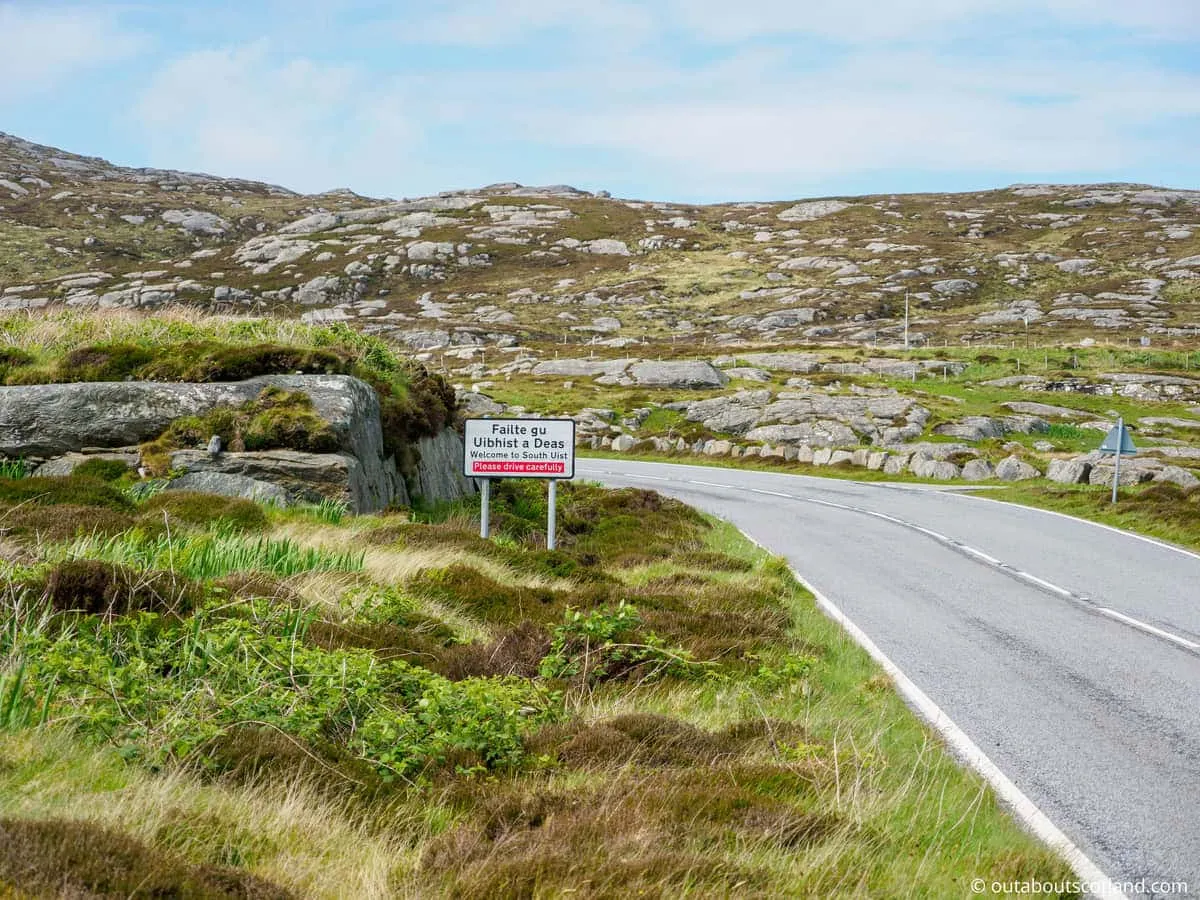 Photo: South Uist, via outaboutscotland.com
Reading the Tides, Reading the Land
What united these coastal foraging traditions was an intimate understanding of timing that modern life has largely forgotten. The best sea purslane grew on mudflats exposed only during spring tides. Rock samphire was sweetest when gathered just after rain, when the salt had been washed from its leaves. Sea beet thrived in the narrow zone where storm debris created rich soil but salt spray kept competing plants at bay.
This knowledge was passed down through generations of women who walked the same paths, gathered from the same patches, and developed an almost mystical understanding of how coastal plants responded to weather, season, and tide. They knew that alexanders grew best in the shelter of abandoned fish cellars, that sea rocket preferred the disturbed ground around boat launches, that marsh samphire was always fattest on the seaward side of salt marshes.
The Modern Revival
Today, a new generation of chefs and smallholders is rediscovering these coastal treasures, though often through books and courses rather than family tradition. Restaurants across Britain now feature sea purslane salads and samphire tempura, while farmers' markets sell foraged seaweeds to urban customers who've never seen a mudflat.
Yet something essential has been lost in translation. The old foraging traditions weren't just about gathering wild food — they were about reading landscape, understanding season, and maintaining a relationship with coastal environments that sustained communities for centuries. They represented a form of ecological knowledge that modern food systems, for all their efficiency, struggle to replicate.
As climate change alters coastlines and industrial fishing transforms traditional communities, the wisdom of Britain's coastal foragers offers more than culinary inspiration. It suggests a different way of thinking about food security, one based on intimate knowledge of place rather than global supply chains. In a world increasingly disconnected from the sources of its sustenance, perhaps it's time to remember what the women of fishing villages always knew — that the richest harvests often come from learning to see abundance in the most unlikely places.