The Purple Pilgrimage
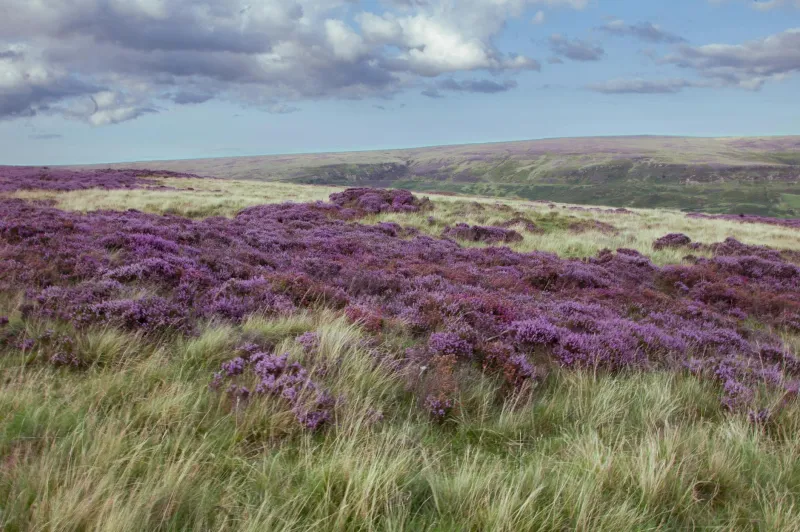
At four in the morning on a drizzly August day, Tom McNeil is loading forty beehives onto the back of his converted farm trailer. By dawn, he'll be navigating narrow moorland tracks above Ilkley, positioning his colonies within metres of the first heather blooms. For the next three weeks, these bees will work some of the most demanding terrain in Britain to produce honey that defies every expectation of what honey should be.
"People taste heather honey for the first time and think something's gone wrong," McNeil laughs, spooning out a sample that clings to the spoon like amber jelly. "It doesn't pour, it doesn't spread easily, and it tastes like nothing else in the British Isles. That's exactly what makes it precious."
Heather honey — specifically from the common heather, Calluna vulgaris, that carpets Britain's upland moors — represents one of the most distinctive regional foods in the country. Its thick, gelatinous texture and complex flavour profile, ranging from bitter to sweet with notes of wine and wildness, has captivated food writers and chefs for generations. Yet producing it requires knowledge, timing, and physical effort that puts it beyond the reach of commercial honey operations.
The Flowering Window
The heather honey season operates on nature's schedule, not human convenience. Common heather blooms for just four to six weeks across the British uplands, typically from late July through early September. Miss this window, and another year passes without harvest.
"Everything has to align perfectly," explains Margaret Sinclair, whose family has kept bees on the Scottish Borders for three generations. "The weather during bloom, the strength of your colonies going into the season, even the timing of when you move the hives — it all matters. One wet week during peak flower can write off an entire year's heather crop."
 Photo: Scottish Borders, via i0.wp.com
The blooming itself follows elevation and latitude. Moors in the Yorkshire Dales and Peak District typically flower first, followed by the Scottish Highlands and Welsh mountains. Experienced heather beekeepers track this progression like wine makers follow grape ripening, sometimes moving hives twice during the season to catch peak nectar flows.
Weather plays the decisive role. Heather nectar only flows during warm, dry spells following sufficient rainfall to establish the bloom. Too much rain during flowering washes away nectar; too little means flowers abort early. The perfect heather season requires a delicate balance that occurs perhaps three years out of every five.
The Unique Challenge of Moorland Beekeeping
Working bees on heather moors demands skills that lowland beekeepers never develop. Hives must be positioned to catch morning sun whilst sheltering from the fierce winds that sweep across exposed moorland. Access tracks barely wide enough for a Land Rover test the limits of equipment and patience. And the bees themselves behave differently on heather, becoming more defensive and harder to manage.
"Heather bees are wild bees," notes David Harper, who runs hives across the North York Moors. "They're working harder, flying further, dealing with weather that would keep lowland colonies inside. They develop an edge that you have to respect."
The physical demands extend to honey extraction. Heather honey's gel-like consistency means it cannot be spun from comb using conventional extractors. Instead, beekeepers must press the comb, squeezing honey out like juice from fruit — a labour-intensive process that yields perhaps half the volume of conventional honey extraction.
Flavour Beyond Description
What makes this effort worthwhile becomes clear the moment heather honey touches the tongue. Unlike the flowing sweetness of conventional honey, heather honey arrives in waves — initial bitterness giving way to complex floral notes, then a lingering finish that speaks of wild places and ancient landscapes.
"It's the taste of the moor itself," describes chef Tommy Banks, whose Black Swan restaurant in Yorkshire showcases local heather honey in both sweet and savoury applications. "There's something almost medicinal about it, but in the best possible way. It carries the essence of places where humans are visitors, not residents."
The texture adds another dimension to culinary applications. Heather honey doesn't dissolve readily in cold liquids, making it ideal for applications where honey flavour is wanted without excessive sweetness. It pairs remarkably with strong cheeses, cuts the richness of game dishes, and adds complexity to traditional British puddings.
The Economics of Rarity
Heather honey commands prices three to five times higher than conventional honey, reflecting both its scarcity and production costs. A good heather season might yield 20-30 pounds per hive compared to 60-80 pounds for lowland honey production. Factor in the transport costs, equipment wear, and labour intensity, and heather honey becomes one of the most expensive foods produced in Britain.
Yet demand consistently outstrips supply. Specialist food shops across the country maintain waiting lists for genuine heather honey, whilst restaurants prize it as a signature ingredient that cannot be sourced elsewhere.
"We sell out every year," confirms McNeil, whose Yorkshire heather honey reaches customers from London to Edinburgh. "People who discover real heather honey become customers for life. They understand they're tasting something that connects them to landscapes that have remained unchanged for thousands of years."
Guardians of the Moor
The beekeepers who pursue heather honey see themselves as more than honey producers — they're guardians of moorland ecosystems that support this extraordinary flowering. Many work closely with landowners, conservation groups, and other stakeholders to maintain the delicate balance that keeps heather moors productive.
"Heather honey is an indicator species for moorland health," explains Sinclair. "When the honey is good, it means the entire ecosystem is functioning. We're not just harvesting a crop — we're monitoring one of Britain's most important wildlife habitats."
As climate change alters flowering patterns and extreme weather becomes more frequent, these seasonal migrations take on added significance. The beekeepers following Britain's purple bloom carry forward a tradition that connects modern tables to landscapes shaped by ice, wind, and time immemorial.