The Ground Truth: How Britain's Forgotten Soil Stories Are Reshaping Our Understanding of Flavour
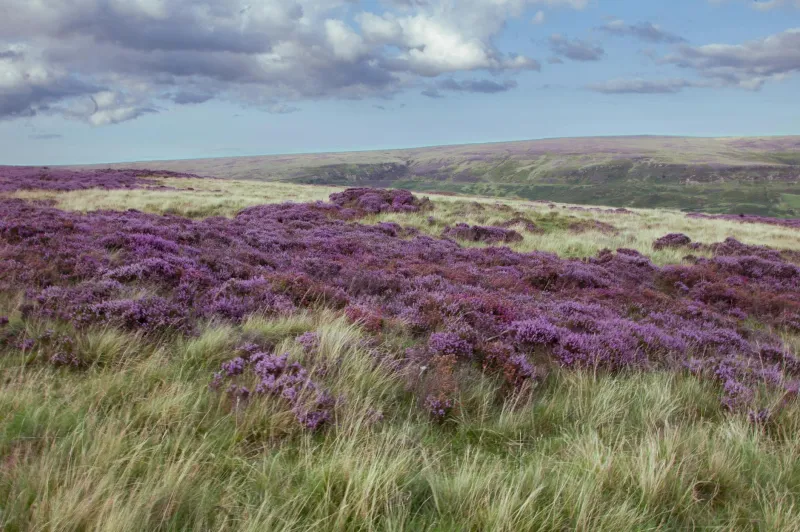
For too long, British food has suffered from a peculiar blindness. While French vintners wax lyrical about limestone and schist, and Italian olive growers speak reverently of volcanic soil, we've reduced our own landscape to little more than postcard scenery. Yet beneath every British pasture lies a geological story that shapes flavour as surely as any chef's technique — and a growing movement of farmers, producers, and scientists is finally learning to read these buried narratives.
The revelation isn't entirely new. Medieval farmers knew that cattle grazed on limestone pastures produced sweeter milk, that sheep raised on salt marshes developed distinctive flavours, that barley grown on certain soils made better ale. But somewhere between industrialisation and globalisation, we lost the language to describe these connections. Now, as British food culture rediscovers its confidence, that language is being rebuilt from the ground up.
Reading the Rocks
"People think terroir is just French wine nonsense," says David Thornton, whose family has farmed the same Wiltshire valley for four generations. "But every morning when I walk my fields, I'm reading a story that's been writing itself for millions of years."
Thornton's farm sits atop chalk downland, where ancient sea creatures left their calcium-rich shells in sediment that became the foundation of southern England. This geology doesn't just determine which plants thrive — it fundamentally alters how those plants taste. The chalk acts as a natural filter, creating water that's mineral-rich but never harsh, supporting grasses that are naturally sweet and herbs that concentrate essential oils in ways that heavy clay soils never could.
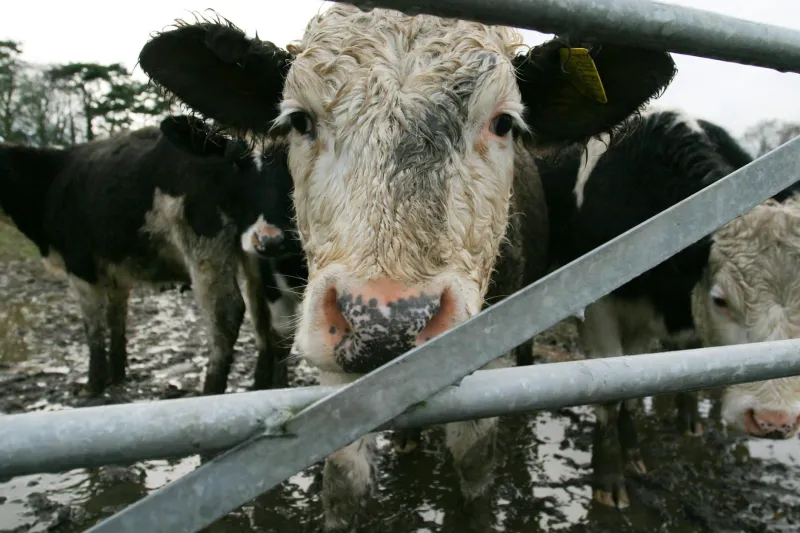
His Dexter cattle, grazing on pastures where wild thyme and marjoram grow between the grasses, produce beef with a complexity that supermarket meat rarely achieves. The chalk-filtered water they drink, the mineral-rich plants they eat, even the way the free-draining soil affects root development — everything contributes to flavour in ways that industrial farming systems struggle to replicate.
Clay Stories from Suffolk
Two hundred miles east, Sarah Mitchell works very different soil with equally dramatic results. Her Suffolk farm sits on heavy London clay, the kind of waterlogged, difficult ground that modern agriculture often writes off as marginal. Yet Mitchell has learned to work with her clay rather than against it, discovering that what makes her soil challenging also makes it uniquely flavourful.
 Photo: Sarah Mitchell, via www.wallofcelebrities.com
"Clay holds everything," she explains, crouching to examine soil that sticks to her boots in thick clumps. "Minerals, organic matter, moisture — it's all locked up in there. When plants finally manage to extract what they need, they're getting incredibly concentrated nutrition."
Her slow-growing vegetables develop intense flavours that reflect this struggle. Carrots that take twice as long to mature as those grown in sandy soil concentrate sugars and develop complex mineral notes. Her honey, produced by bees that forage on clay-loving plants like meadowsweet and comfrey, has a richness and depth that speaks directly to the soil beneath the hives.
The clay also creates unique microclimates. Water pools in depressions, creating boggy areas where different plants thrive. Raised patches drain better, supporting Mediterranean herbs that shouldn't survive British winters. This mosaic of conditions, all determined by soil structure, creates biodiversity that translates directly into flavour complexity.
The Science of Taste
Dr. Emma Rawlings, a soil scientist at Rothamsted Research, has spent the last decade trying to quantify these traditional observations. Her work reveals that soil mineral content doesn't just affect plant nutrition — it fundamentally alters how plants produce the compounds that create flavour.
"Take two identical apple trees," she explains. "Plant one in sandy soil, one in clay, and within five years you'll have fruit that tastes completely different. The clay-grown apples will have higher concentrations of phenolic compounds — the molecules that create complexity and depth of flavour."
Her research suggests that plants grown in challenging soils often develop more interesting flavour profiles as they adapt to their environment. Stress — whether from mineral-poor soil, drought, or competition — forces plants to produce defensive compounds that happen to taste good to humans. It's why mountain-grown herbs are more aromatic than their lowland cousins, why wild strawberries taste more intense than cultivated ones.
This understanding is revolutionising how progressive British producers think about quality. Rather than fighting their soil conditions, they're learning to celebrate them, recognising that difficult ground often produces the most characterful food.
The Terroir Revolution
At restaurants like Felin Fach Griffin in Wales and The Sportsman in Kent, chefs are building entire menus around soil stories. They source ingredients not just locally, but from specific geological formations, creating dishes that express the mineral character of limestone, the richness of alluvial soil, the intensity of volcanic rock.
"When I serve Pembrokeshire lamb, I'm not just serving meat," says chef James Sommerin. "I'm serving slate and sea air, ancient rock and salt spray. The geology of that landscape is in every bite."
This approach challenges diners to think differently about provenance. Instead of simply knowing that food is local, they're invited to understand how place shapes flavour at the most fundamental level. It's a more sophisticated conversation than British food culture has traditionally embraced, but one that's gaining ground among producers and consumers alike.
Beyond the Plate
The implications extend far beyond restaurants. Artisan cheesemakers are mapping their products to specific geological formations, discovering that the same recipe produces entirely different results when milk comes from cows grazing on different rock types. Craft distillers are exploring how local geology affects water chemistry and, by extension, the character of their spirits.
Even honey producers are joining the conversation. Beekeeper Tom Seeley, whose hives sit on the boundary between limestone and sandstone in the Peak District, produces two distinct honeys from colonies just half a mile apart. The limestone honey is delicate and floral; the sandstone honey is darker and more complex, reflecting the different plant communities that thrive on each soil type.
Challenges and Opportunities
This geological awakening faces significant challenges. Modern food systems prioritise consistency over character, efficiency over expression. Supermarkets struggle to communicate soil stories to consumers accustomed to simple origin labels. Many farmers lack the knowledge to read their own land's geological story, having been trained to see soil as a medium for inputs rather than a source of flavour.
Yet the potential rewards are enormous. As consumers become more sophisticated about food quality, and as environmental concerns drive interest in sustainable farming, understanding terroir offers British producers a powerful tool for differentiation. It provides a framework for celebrating the diversity of British landscapes, for connecting food with place in ways that go deeper than simple geography.
More importantly, it suggests a different relationship with the land itself — one based on listening rather than imposing, on working with natural systems rather than overriding them. In an age of climate change and environmental degradation, perhaps it's time British food culture learned what wine makers have always known: that the best flavours come from understanding the ground beneath our feet.
The soil stories are there, waiting to be read. The question is whether we have the patience to listen to what they're trying to tell us.