The Return of the Horned Wanderers
Across the windswept fells of northern England, something remarkable is happening. Where once bracken and gorse choked ancient pastures, native wildflowers are blooming again. The secret? A handful of dedicated farmers who've chosen to work with nature's original landscape architects: British Longhorn cattle.
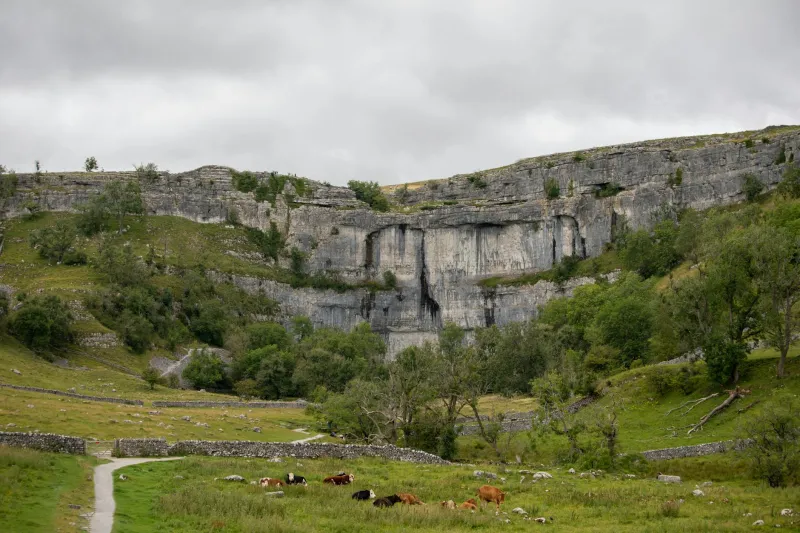
"People think I'm mad, keeping these old girls up here," chuckles Tom Whitfield, surveying his herd of distinctive red-coated Longhorns as they graze the steep slopes above Ribblesdale. "But they're doing work no machine ever could."
Whitfield is part of a growing movement of upland farmers who've discovered that Britain's rarest native cattle breed possesses an almost supernatural ability to restore degraded hill country. Unlike modern commercial breeds that cluster around feed stations and shelter, Longhorns actively seek out the toughest terrain, their powerful frames and sweeping horns perfectly adapted for navigating dense scrubland.
Ancient Wisdom, Modern Science
The ecological benefits are becoming impossible to ignore. Dr Sarah Pemberton from the Yorkshire Dales National Park Authority has been monitoring sites where Longhorns have been reintroduced over the past decade.
"What we're seeing is extraordinary," she explains. "These cattle don't just graze—they create mosaic landscapes. They'll push through brambles that sheep avoid, opening up corridors for smaller wildlife. Their hooves create perfect seed beds for native plants, and their selective browsing maintains the structural diversity that upland ecosystems need."
This isn't romantic nostalgia—it's cutting-edge conservation. The Longhorns' grazing patterns mirror those of their ancestors, the wild aurochs that once roamed Britain's forests. Their ability to thrive on poor ground whilst improving it makes them invaluable partners in landscape restoration.
From Cumbria to the Cambrians
The revival spans the country's spine. In the Lake District, Helen Morrison runs a small herd on National Trust land, where her Longhorns have transformed bracken-dominated slopes into species-rich grassland. "The botanists can't believe the flowers that have appeared," she says. "Plants that hadn't been seen here for decades."
Further south, along the Welsh borders, the Edwards family have been pioneering what they call 'conservation beef' on their Shropshire hills. Their Longhorns spend eighteen months to two years reaching slaughter weight—double the time of conventional cattle—but the results speak for themselves.
"The meat's completely different," explains butcher Martin Hughes, who sources from upland Longhorn herds across mid-Wales. "It's darker, more complex. There's a mineral quality you just don't get from lowland beef. Chefs are starting to understand what they've been missing."
The Flavour of the Fells
This isn't just about conservation—it's about rediscovering flavours that industrial agriculture forgot. Longhorn beef carries the signature of its environment in ways that factory-farmed meat never could. The cattle's varied diet of mountain grasses, herbs, and browse creates meat with remarkable depth and character.
Chef Marcus Brennan of The Fell Runner in Grasmere has built his reputation around showcasing upland Longhorn beef. "It's like comparing a supermarket tomato to one grown in your grandmother's garden," he says. "Same species, completely different experience. This beef tells the story of where it came from."
Challenges on the High Ground
Yet the path isn't without obstacles. Longhorns require patient handling and understanding. Their independent nature and impressive horns demand respect and skill. Many farmers have forgotten the old ways of working with these cattle, making each successful herd a repository of recovered knowledge.
Financially, the mathematics are challenging. Longhorns mature slowly, produce less milk than commercial breeds, and command premium prices that not all consumers are willing to pay. Government support for conservation grazing helps, but many farmers rely on direct sales and speciality markets to make the numbers work.
"It's not a get-rich-quick scheme," admits Whitfield. "But when you see what these cattle do for the land, how they bring it back to life, you realise some things are worth more than money."
A Living Heritage
The Longhorn revival represents something profound about our relationship with the British landscape. These cattle are living links to a time when farming and wildlife conservation were the same thing. Their return to the uplands isn't just about producing exceptional beef—it's about remembering how to work with nature rather than against it.
As climate change and biodiversity loss challenge conventional agriculture, the wisdom of these hardy hill cattle becomes increasingly relevant. They offer a glimpse of farming's future that's rooted firmly in its past—sustainable, resilient, and deeply connected to place.
For the growing number of farmers, chefs, and consumers embracing this quiet revolution, the message is clear: sometimes the best way forward is to look back, to the time when Britain's uplands rang with the sound of cattle bells and bloomed with native flowers. The Longhorns are leading us home.