The Hidden Larder
To most eyes, the Cambridgeshire Fens present a landscape of industrial agriculture—endless fields of potatoes and sugar beet stretching toward distant horizons, interrupted only by drainage channels and the occasional farmstead. Yet venture beyond the main roads into the fragments of surviving wetland, and an entirely different food landscape reveals itself.
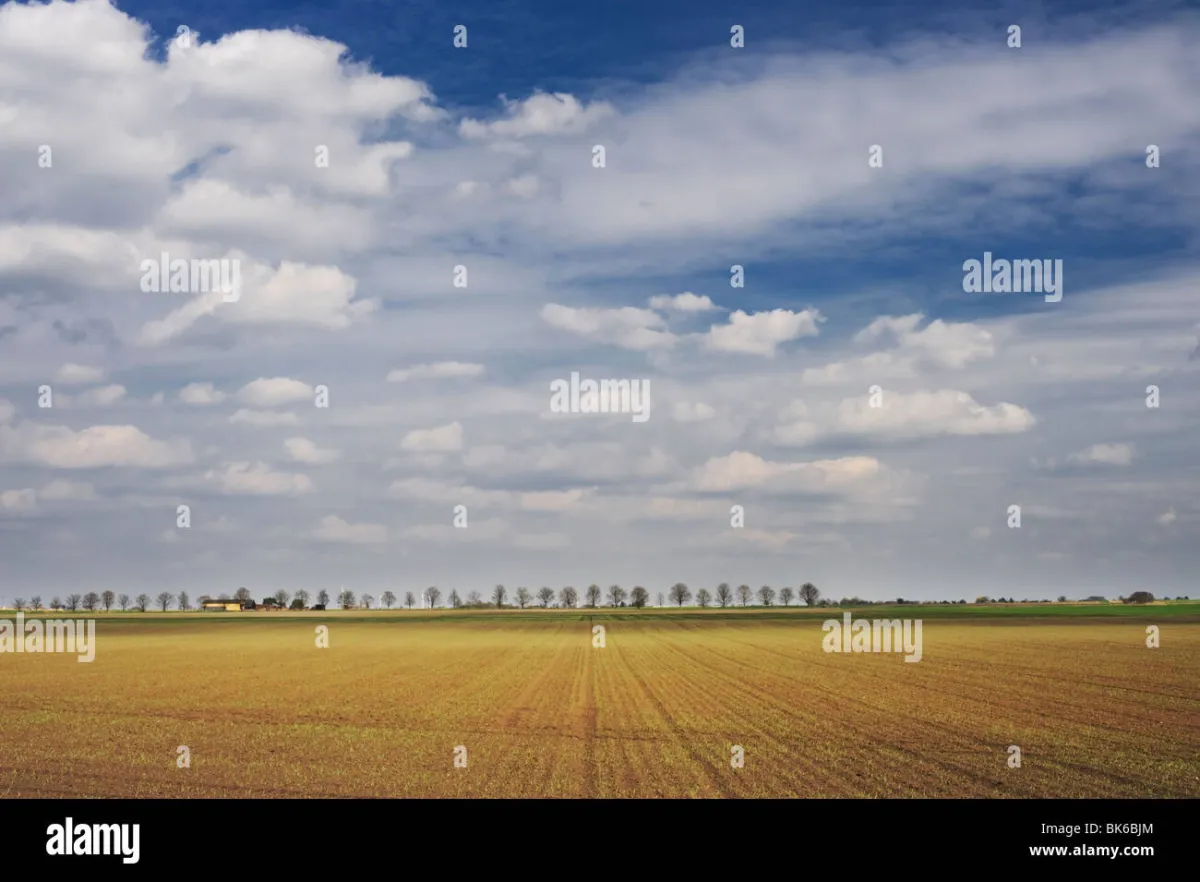 Photo: Cambridgeshire Fens, via c8.alamy.com
Here, where ancient peat beds meet carefully managed water levels, forager and chef Oliver Thain discovers ingredients that most Britons have forgotten ever existed. Samphire grows wild along the tidal reaches, its salty crunch carrying the taste of North Sea storms. Marsh lamb's quarters offers mineral-rich leaves that medieval fen dwellers prized above cultivated vegetables. Wild celery, the ancestor of our garden variety, grows with an intensity of flavour that makes supermarket stalks taste like water.
"People see the Fens as agricultural desert," Oliver explains, filling his basket with fennel fronds that smell of anise and ancient summers. "But this is one of Britain's most distinctive food landscapes. We just trained ourselves not to see it."
The Lost Cuisine of Water and Reed
Before the great drainage schemes of the 17th and 18th centuries transformed East Anglia's wetlands into arable farmland, the Fens supported a unique food culture built around water, wildfowl, and the extraordinary fertility of peat soils. Fen dwellers—known as "Slodgers" for their ability to navigate the treacherous marshlands—developed a cuisine that celebrated abundance and seasonal variety.
Historian and food writer Dr. Catherine Marsh has spent decades reconstructing this lost culinary tradition from estate records, recipe collections, and archaeological evidence. Her research reveals a sophisticated food system that sustained large populations on what outsiders dismissed as worthless bog.
"The medieval Fens were incredibly productive," Dr. Marsh explains from her study overlooking the restored wetlands of Wicken Fen. "Eels were so abundant they were used as currency. Wild fowl provided protein through winter months. The fertile soils produced vegetables of exceptional quality. This wasn't subsistence living—it was abundance."
 Photo: Wicken Fen, via c8.alamy.com
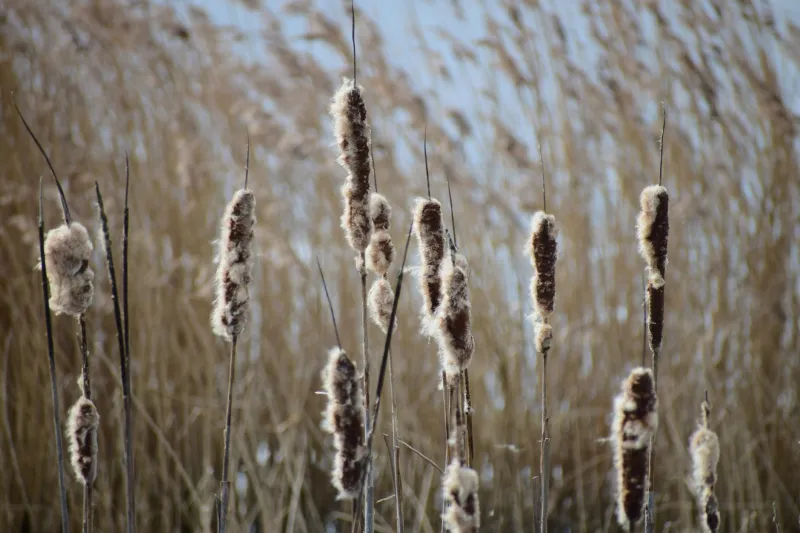
Fen recipes from the period reveal a cuisine built around preservation techniques perfectly adapted to the wetland environment. Eels were smoked in reed huts, their rich flesh carrying the sweet smoke of burning sedge. Wild duck was potted with herbs gathered from the marshland edges. Even the reeds themselves contributed to the larder—their young shoots providing a vegetable similar to bamboo, their seeds ground into flour during lean years.
The Rewilding Renaissance
Today, ambitious rewilding projects across the Fens are quietly restoring not just biodiversity but the foundations of this distinctive food culture. At Wicken Fen, the National Trust's landscape-scale restoration has created new wetlands where traditional fenland species are returning in remarkable numbers.
Warden Tim Bennett watches grey herons stalk through newly flooded meadows where sugar beet grew just five years ago. "The wildlife response has been extraordinary," he explains. "But what's equally exciting is watching the food web rebuild itself. We're seeing ingredients return that haven't been available here for generations."
The restoration has attracted a new generation of food producers who recognise the commercial potential of fenland's unique flavours. At Burwell Fen Farm, Charlie Beazley raises water buffalo on land that floods naturally each winter, producing cheese with a mineral complexity that reflects the ancient peat beneath his pastures.
"The flooding brings nutrients up from the peat layers," Charlie explains, watching his buffalo wade through winter floods that would destroy conventional dairy operations. "The grass they eat in summer carries the memory of those floods. You can taste it in the cheese—it's unlike anything produced on drained land."
Foraging the Future
Meanwhile, a growing community of foragers and wild food enthusiasts is rediscovering the abundance that still exists in overlooked corners of the fenland landscape. Ely-based forager Sarah Wiltshire leads workshops that teach participants to recognise and harvest the wild foods growing along drove roads and field margins.
"People drive past these plants every day without realising they're looking at dinner," Sarah explains, pointing out sea purslane growing beside a drainage channel. "This was a staple vegetable for fenland families. It's incredibly nutritious, grows without any input, and tastes like the sea meeting the earth."
Sarah's students learn to identify marsh samphire at its peak tenderness, to harvest wild watercress from clean-running dykes, and to distinguish edible rushes from their toxic cousins. Many are local residents discovering for the first time that their "boring" agricultural landscape conceals extraordinary diversity.
From Ditch to Dish
The revival of fenland food culture is attracting attention from some of Britain's most innovative chefs. At Cambridge's Midsummer House, chef Daniel Clifford incorporates foraged fenland ingredients into dishes that tell the story of landscape and season.
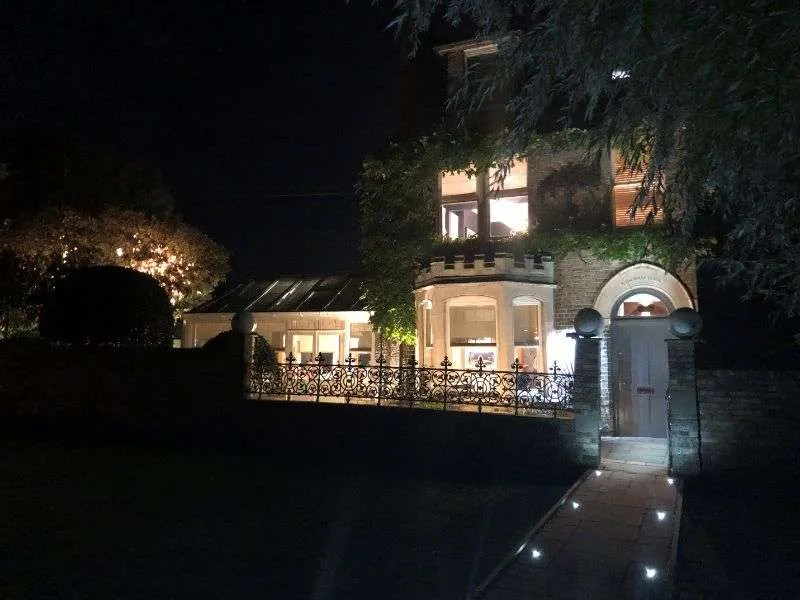 Photo: Midsummer House, via thegastronome.net
"The Fens offer flavours you simply cannot find anywhere else," Clifford explains. "Wild celery with an intensity that makes you understand why the Romans prized it so highly. Marsh herbs that carry the mineral complexity of ancient peat. These ingredients force you to cook differently—they demand respect for their unique character."
Clifford's fenland tasting menu changes with the seasons and water levels, reflecting the dynamic relationship between cuisine and landscape that once defined the region. Spring brings tender samphire and the first wild herbs. Summer offers the full spectrum of marsh vegetables and the beginning of wildfowl season. Autumn provides nuts from fenland carrs and the last of the warm-weather greens.
The Economic Argument
Beyond cultural and environmental benefits, the revival of fenland food culture presents compelling economic opportunities. Wild harvesting provides income for rural communities while requiring minimal infrastructure investment. Speciality fenland products command premium prices in markets hungry for authentic provenance and unique flavours.
Local entrepreneur James Fairfax has built a successful business around traditionally smoked fenland eels, reviving smoking techniques that disappeared with drainage. His products sell to London restaurants for prices that would astound previous generations of fen fishermen.
"The market exists for authentic fenland flavours," Fairfax argues. "People are tired of industrial food. They want ingredients with stories, with connections to real places. The Fens have incredible stories to tell."
Water Returns
As climate change makes traditional arable farming increasingly challenging in low-lying areas, the fenland's future may lie in embracing rather than fighting its watery nature. Pilot projects exploring "paludiculture"—farming on rewetted peatland—are demonstrating that productive agriculture and wetland restoration can coexist.
These experimental farms grow reed for thatching, cultivate sphagnum moss for horticulture, and raise fish in managed wetlands. The products command higher prices than traditional crops while sequestering carbon and supporting biodiversity.
"We're not abandoning agriculture," explains Dr. Rebecca Hodgson, who leads paludiculture research at Anglia Ruskin University. "We're rediscovering forms of agriculture that work with rather than against the landscape's natural tendencies. The Fens were never meant to be dry."
As water returns to the landscape, so too do the flavours and traditions that once defined one of Britain's most distinctive food cultures. In the careful balance between conservation and innovation, between ancient wisdom and contemporary needs, the Fens are writing a new chapter in their long relationship with those who seek sustenance from their dark, fertile embrace.