Bankside to Plate: Following Britain's Fishing Calendar Through the Seasons
There's a rhythm to British fishing that supermarket shelves can never capture. It's written in the movement of tides, the temperature of chalk streams, and the ancient migrations that bring fish to our waters when they're at their absolute peak. Understanding this natural calendar transforms both fishing and cooking, connecting us to the seasonal abundance that surrounds every river, lake, and stretch of coastline.
Spring: The Awakening Waters (March-May)
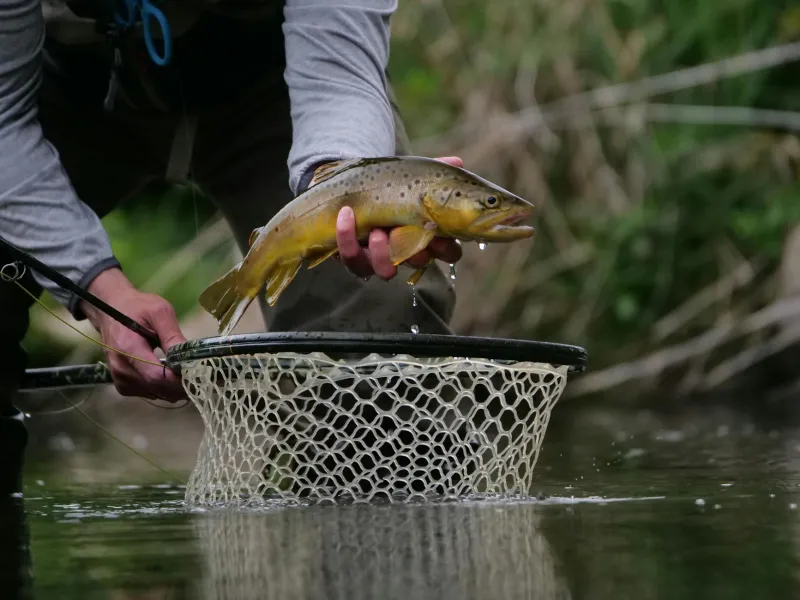
Spring fishing begins with anticipation. As water temperatures climb past 8°C, brown trout shake off winter lethargy and begin feeding in earnest. The first mayfly hatches bring fish to the surface, their rises sending concentric circles across mirror-calm pools.
This is the season for delicate flavours. Spring trout, lean from winter and feeding on freshwater shrimp and emerging insects, have a clean, mineral taste that pairs beautifully with the season's first wild ingredients. Wild garlic carpets woodland floors near most rivers—its gentle onion notes complement trout perfectly, whether stuffed in the cavity before grilling or wilted into a simple butter sauce.
Early spring also brings the coarse fishing close season to an end. Pike, having spawned in the shallows, are hungry and aggressive. These apex predators deserve respect in the kitchen—their firm, white flesh benefits from strong flavours. Try pike fishcakes with foraged nettle tops, or stuff the fish with wild fennel found along many riverbanks.
On the coast, early mackerel arrive with the warming seas. These first runners are smaller but incredibly fresh, perfect for simple preparations. Grill them over driftwood fires on the beach, paired with sea beans (samphire) found in salt marshes.
Summer: Peak Season Glory (June-August)
Summer is British fishing's golden time. Rivers run clear and low, making sight fishing for trout an art form. Sea bass hunt in the surf as holiday crowds arrive, and coarse fish bask in the warming shallows of lakes and rivers.
Summer trout are at their fighting peak, muscular and silver from feeding on abundant insect life. The classic dry fly season produces fish that deserve classic treatments—grilled simply with elderflower butter, the creamy blooms gathered from hedgerows that line most fishing waters.
This is carp season too. Often dismissed by British anglers as 'foreign' fish, common carp were actually introduced by medieval monks who understood their culinary value. Properly prepared—scored and slow-roasted with wild herbs—carp rivals any river fish for flavour.
Coastal fishing explodes in summer. Bass patrol rocky shores and estuaries, their firm white flesh perfect for the barbecue. Pair them with marsh samphire and sea purslane, both found on the same coastlines where you'll catch them. Mackerel shoals darken the water, their rich, oily flesh crying out for sharp accompaniments—try them with pickled rock samphire or wild sorrel.
For the adventurous, summer brings pollack and wrasse to inshore waters. These underrated fish have firm, meaty textures that work brilliantly in fish stews, bulked out with sea lettuce and other coastal greens.
Autumn: The Harvest Season (September-November)
Autumn fishing has a melancholy beauty. Leaves drift downstream as grayling come into condition, and the first frosts bring clarity to waters that have grown warm and weedy through summer.
Grayling—the 'lady of the stream'—is autumn's prize. This beautiful salmonid has a subtle thyme scent when fresh, a flavour that pairs naturally with the wild mushrooms fruiting along riverbanks. Chanterelles, field mushrooms, and hedgehog fungi can all be found within walking distance of most grayling waters.
Autumn pike fishing reaches its peak as these predators fatten for winter. The French know pike's true worth—their quenelles de brochet are legendary. British pike deserve similar respect. The secret is removing the Y-bones carefully, then using the flaked flesh in terrines or fish cakes enriched with wild watercress.
Sea fishing remains excellent through autumn. Bass continue feeding heavily before winter, while cod begin their inshore migration. Autumn cod, firm and white, are perfect for traditional fish and chips, but try them baked with sea vegetables for a more sophisticated approach.
This is also the season for lesser-known species. Whiting, often dismissed as 'bait fish,' have delicate flesh perfect for light preparations. Dab and plaice frequent sandy bottoms, their sweet meat ideal for simple pan-frying with wild fennel seeds.
Winter: The Hardy Season (December-February)
Winter fishing separates the dedicated from the fair-weather anglers. But those who brave the cold are rewarded with some of the year's best eating fish.
Grayling reach peak condition in winter, their flesh firm and flavourful. These hardy fish feed through the coldest months, often in the most challenging conditions. Winter grayling deserve rich treatments—try them smoked, or baked in cream with wild horseradish root.
Coastal fishing can be spectacular in winter. Cod shoals move inshore, and whiting fishing peaks. The cold water keeps fish in prime condition, their flesh firm and sweet. Winter is also prime time for lesser-spotted rays and small sharks—thornback rays have sweet, gelatinous flesh that's perfect for traditional skate wing preparations.
Rough weather often makes sea fishing impossible, but winter is perfect for reservoir trout fishing. These stockie rainbows, fattened on rich reservoir food, have firm pink flesh that takes strong flavours well. Try them hot-smoked with wild juniper berries.
The Forager's Calendar
Every fishing trip offers opportunities for wild food gathering. Spring brings wild garlic, nettle tops, and early sorrel. Summer offers elderflowers, wild herbs, and coastal vegetables. Autumn provides mushrooms, nuts, and late berries. Even winter has offerings—wild horseradish roots, rose hips for vitamin C, and hardy coastal greens.
The key is learning what grows where you fish. Chalk streams support different plants than upland rivers. Rocky shores offer different pickings than sandy beaches. Building this knowledge transforms fishing trips into complete foraging expeditions.
Timing is Everything
Understanding the fishing calendar means more than knowing when fish are in season—it's about recognising when they're at their absolute peak. A spring brown trout, lean and hungry, tastes completely different from an autumn fish fattened on terrestrial insects. Summer mackerel, fresh from Atlantic waters, bears no resemblance to tired fish caught late in the season.
This seasonal awareness connects us to older ways of eating, when food was necessarily seasonal and local. It's a knowledge our grandfathers took for granted but we've largely forgotten in the age of global food chains.
Next time you're planning a fishing trip, think beyond just catching fish. Consider what's growing along the banks, what's in peak season, and how the fish you catch will reflect the time and place where you found them. That's the true art of fishing—and eating—with the seasons.